
Last updated September 24, 2026
Insulation Cost Breakdown: The Lake Forest Homeowner’s Reference for 2026
The lowest insulation quote in a stack of three Lake Forest bids is almost always the one that excludes air sealing, a $400-$800 line item that determines whether the R-value you paid for performs at its rated value or roughly 60% of it. We’ve been sealing and insulating homes under The Haven Standard since 2016, and we’ve reviewed thousands of competitor quotes brought in for our Free Second Opinion. The pattern is consistent: homeowners think they’re comparing identical scopes when they’re actually comparing a complete building-envelope job against a material dump. This guide breaks out every line item that belongs in a proper 2026 Lake Forest insulation quote, shows you the math on real-world R-value performance, and explains how to claim every available utility rebate. You’ll know what a written price should look like, what documentation to demand, and why the gap between quoted and actual performance is the most expensive number no one puts on paper.
Quick Answer
A complete attic insulation job for a typical 1,800-2,400 square foot Lake Forest home in 2026 runs $2,800-$5,400 when air sealing, permits, and blower-door verification are included. The same job quoted without air sealing or post-job testing lands at $1,800-$3,200 but delivers roughly 40% less real-world thermal performance because conditioned air bypasses the insulation through leaks in the attic floor. The difference is not extra cost, it’s extra scope, and most Lake Forest homeowners don’t discover the gap until their summer SCE bill arrives unchanged.
Table of Contents
- Why Lake Forest Insulation Quotes Vary by 60% for the Same House
- The Complete Line-Item Breakdown: What Every Quote Should Include
- The R-Value vs. Performance Gap: Why Your R-38 Acts Like R-22
- Cost Per Square Foot: Three Common Lake Forest Applications Compared
- SoCalGas and SCE Rebates in 2026: What’s Available and How to Claim
- What a Written Price Looks Like and Why It Protects You
- Common Mistakes to Avoid
- When to Call a Professional
- Frequently Asked Questions
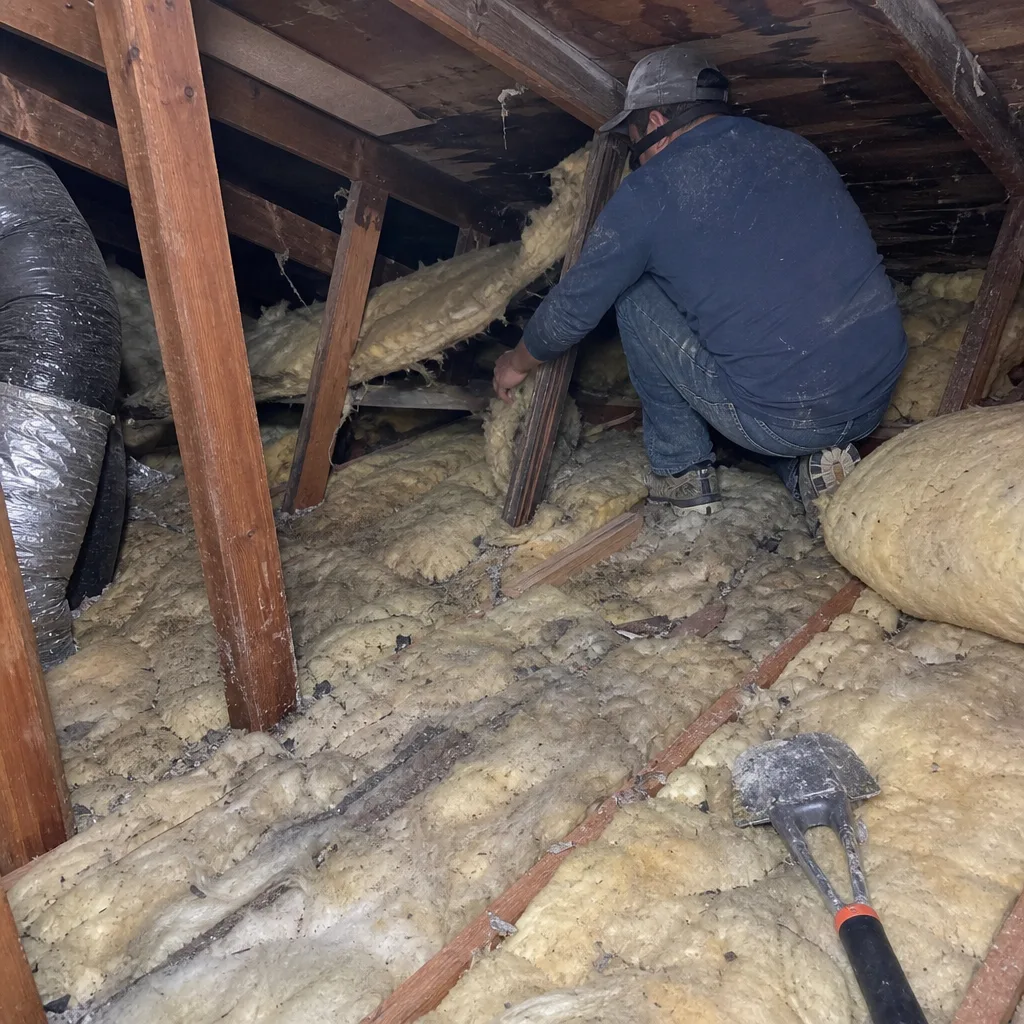 Before
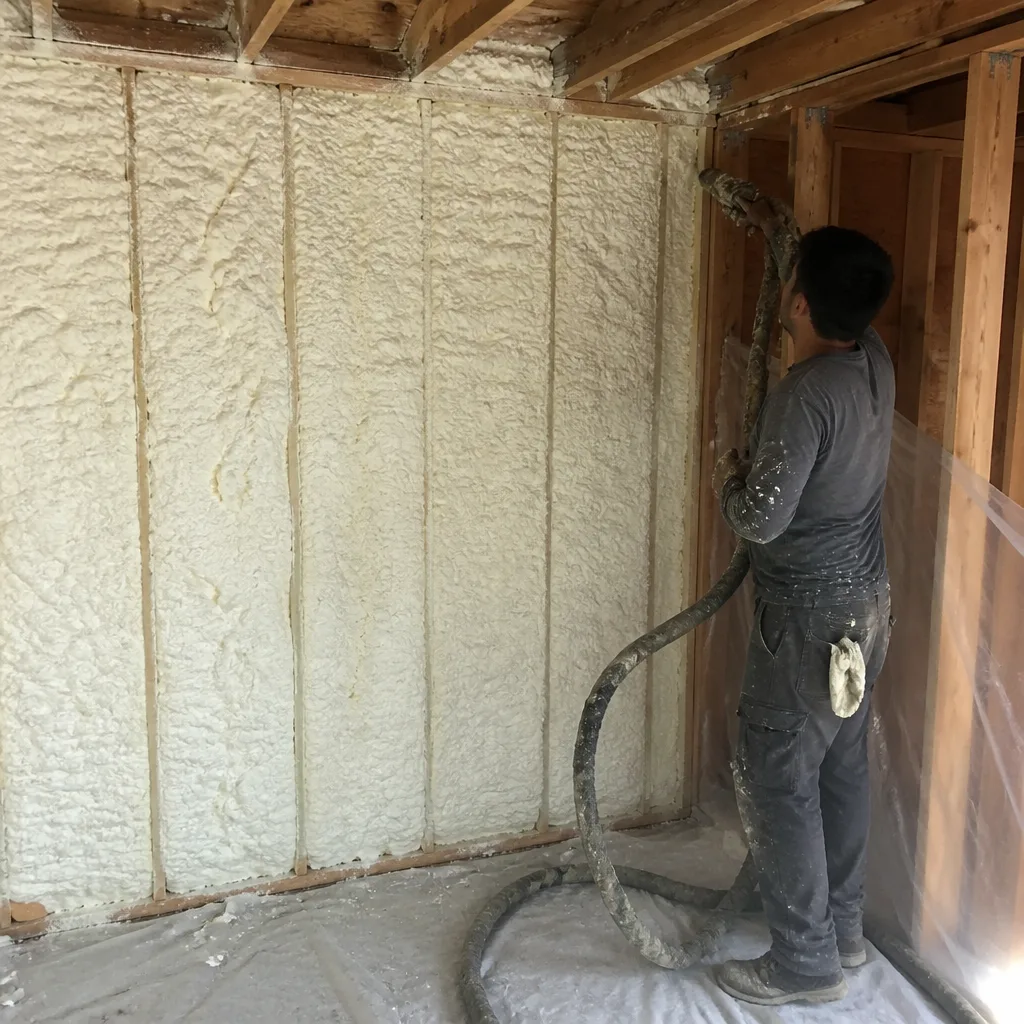 After
AfterWhy Lake Forest Insulation Quotes Vary by 60% for the Same House
We see it every week during Free Second Opinion visits in neighborhoods like Foothill Ranch, Portola Hills, and the older tracts near Lake Forest Drive. A homeowner shows us three quotes for “attic insulation, R-38, 1,800 square feet.” One reads $2,200. Another reads $3,800. The third reads $4,900. They assume the middle quote is fair, the high quote is padded, and the low quote is a bargain.
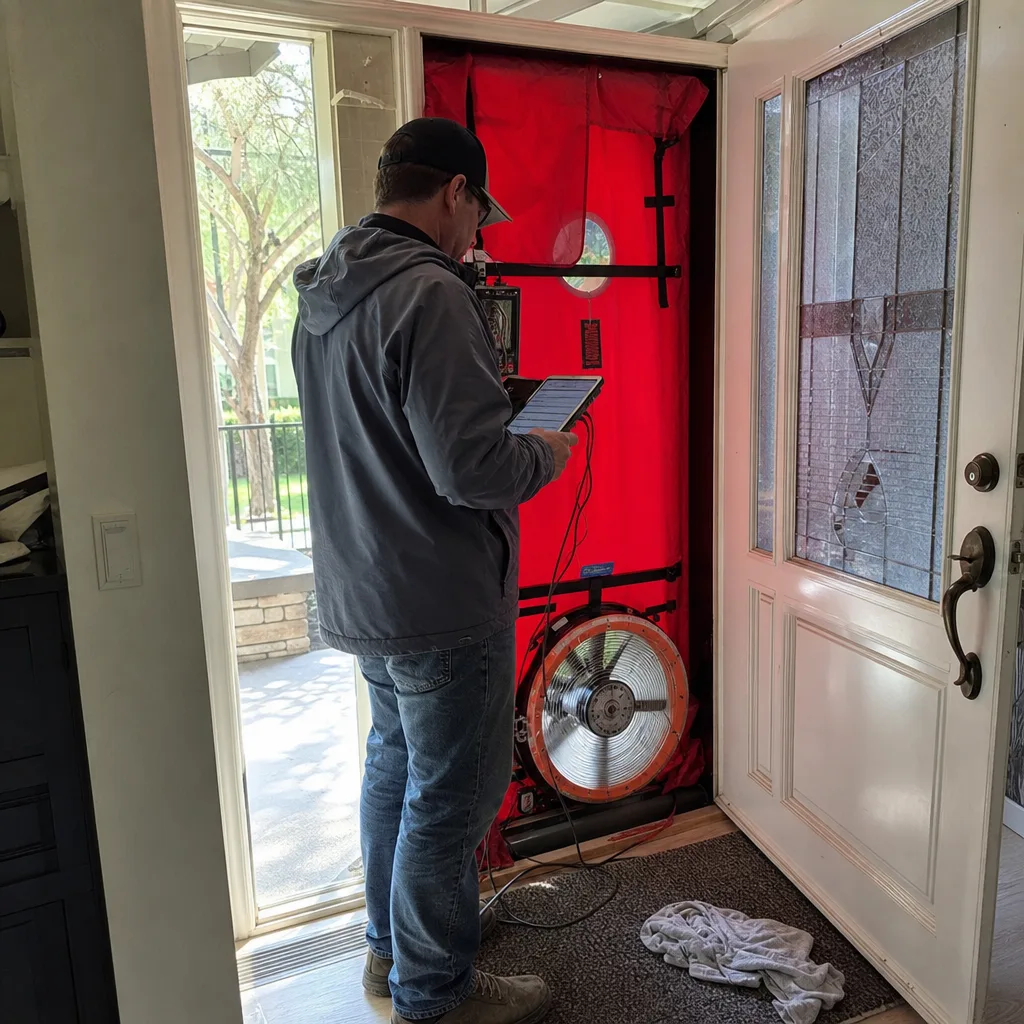
The low quote almost never includes attic air sealing. It excludes the pre-job blower-door test that establishes a baseline. It excludes the post-job blower-door test that proves the work performed. It often excludes the permit fee required by the City of Lake Forest for insulation upgrades that involve removal or alteration of existing thermal barriers. And it never includes the documented photo record that shows what was actually done above the ceiling.
The 60% spread is not market inefficiency. It’s scope incompleteness. Here’s what each quote actually covers:
- $2,200 quote: Blown fiberglass or cellulose only. Material and labor to achieve a target depth. No air sealing. No testing. No permit. No documentation. The crew blows insulation over existing leaks and leaves.
- $3,800 quote: Blown insulation plus basic air sealing of the attic hatch and visible penetrations. May include a permit. Unlikely to include blower-door testing or photo documentation.
- $4,900 quote: Complete scope: pre-job blower-door test, full attic air sealing (top plates, can lights, plumbing and electrical penetrations, chimney chase, attic hatch), blown insulation to R-38, post-job blower-door test, City of Lake Forest permit, and documented photo record with written warranty.
The homeowner who chooses the $2,200 quote pays for R-38 fiberglass or cellulose but receives the thermal performance of roughly R-22 to R-26 because air movement through the unsealed attic floor bypasses the conductive resistance the insulation is rated to provide. We measure this regularly in Lake Forest homes built between 1975 and 1995, which comprise a significant portion of the city’s housing stock. The blower-door test, a pressurization reading that shows in one number how much air the building envelope is losing, typically reads 3,800-5,200 CFM50 before proper sealing and 1,800-2,800 CFM50 after. Without the sealing, the insulation cannot perform.
Lake Forest’s climate amplifies the problem. Summer temperatures regularly reach the mid-90s, and attic temperatures can exceed 140°F. Conditioned air leaking upward through the attic floor doesn’t just waste energy, it creates thermal bypasses that degrade the effective R-value of even high-quality materials like CertainTeed’s blown fiberglass or GreenFiber’s cellulose. The money saved by skipping air sealing is spent twice over in extended HVAC runtime and premature equipment failure.
The Complete Line-Item Breakdown: What Every Quote Should Include
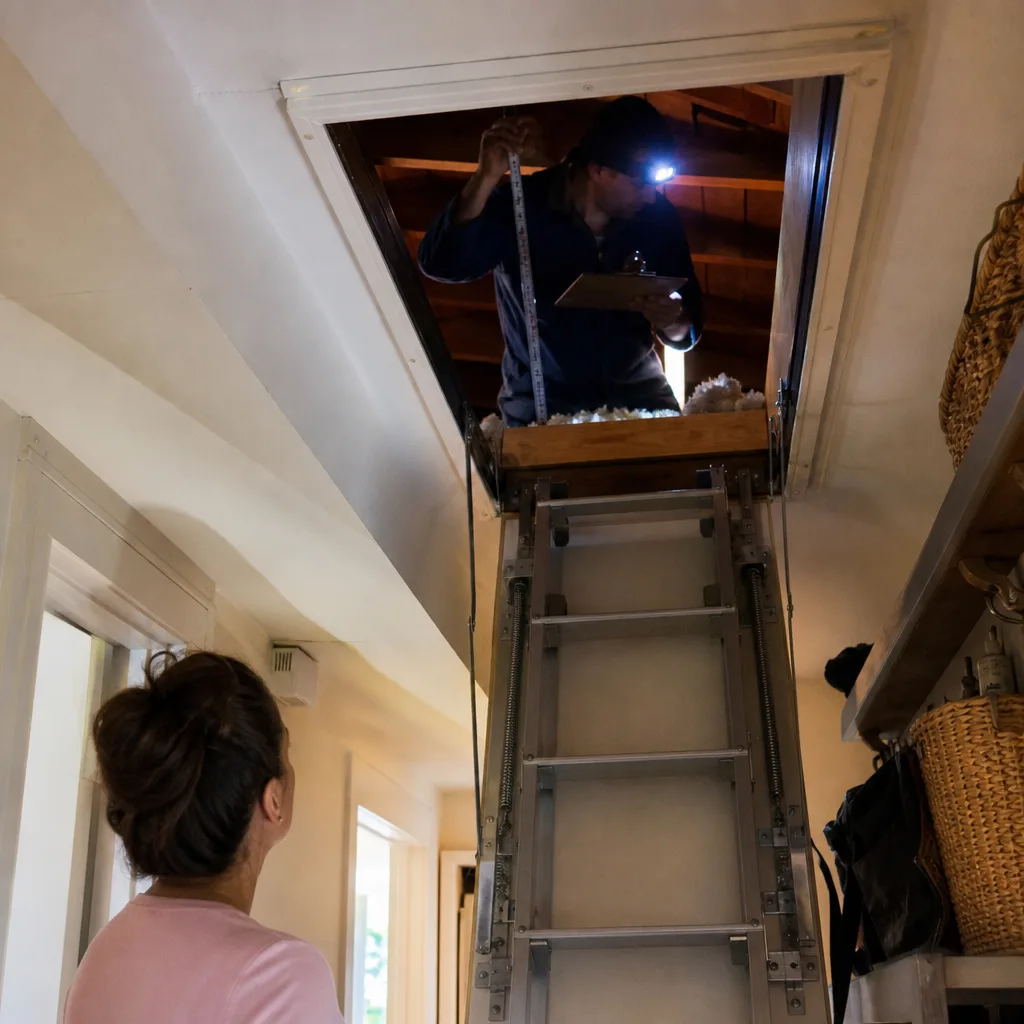
A proper 2026 Lake Forest insulation quote is a scope-of-work document, not a single number. Under Haven Standard Clause 1, every job we perform begins with a written price that itemizes each component, so the homeowner knows exactly what they’re paying for and what they’ll receive when the crew leaves. Here’s the breakdown for a typical 2,000 square foot home with accessible attic space:
| Line Item | Description | 2026 Lake Forest Range |
|---|---|---|
| Pre-job blower-door test | Pressurization reading to establish air-leakage baseline (CFM50) | $150-$250 |
| Attic air sealing | Top plates, can lights, penetrations, attic hatch, chimney chase, duct boots | $400-$800 |
| Insulation material and labor | Blown fiberglass or cellulose to R-38, 2,000 sq ft | $1,200-$2,200 |
| Post-job blower-door test | Pressurization reading to verify air-sealing result | $150-$250 |
| City of Lake Forest permit | Required for insulation upgrades involving removal or alteration | $180-$350 |
| Documented photo record | Before, during, and after photos with written warranty | Included in labor |
| Total complete job | All components above | $2,800-$5,400 |
Some notes on these ranges. The air sealing line varies significantly based on attic access conditions. Homes in Baker Ranch and the newer developments off Portola Parkway typically have open attics with clear working space. Homes in the older Foothill Ranch tracts and near El Toro Road often have limited access, recessed can lights that require boxing or sealing with fire-rated covers, and multiple HVAC penetrations that add labor hours. We’ve encountered Lake Forest attics where the air sealing alone required six hours because of dense top-plate wiring and original 1970s can lights. We’ve also seen attics where two hours covered the entire floor. The written price accounts for this during the initial inspection, not as a surprise change order.
The permit fee deserves specific attention. The City of Lake Forest requires a building permit for insulation work that involves removal of existing material or alteration of the thermal envelope. Some contractors skip this, either to save time or because they operate outside municipal oversight. Unpermitted work can complicate future home sales, void manufacturer warranties on certain materials, and expose the homeowner to liability if the work contributes to a fire or moisture problem. A proper quote includes the permit, the inspection scheduling, and the final sign-off.
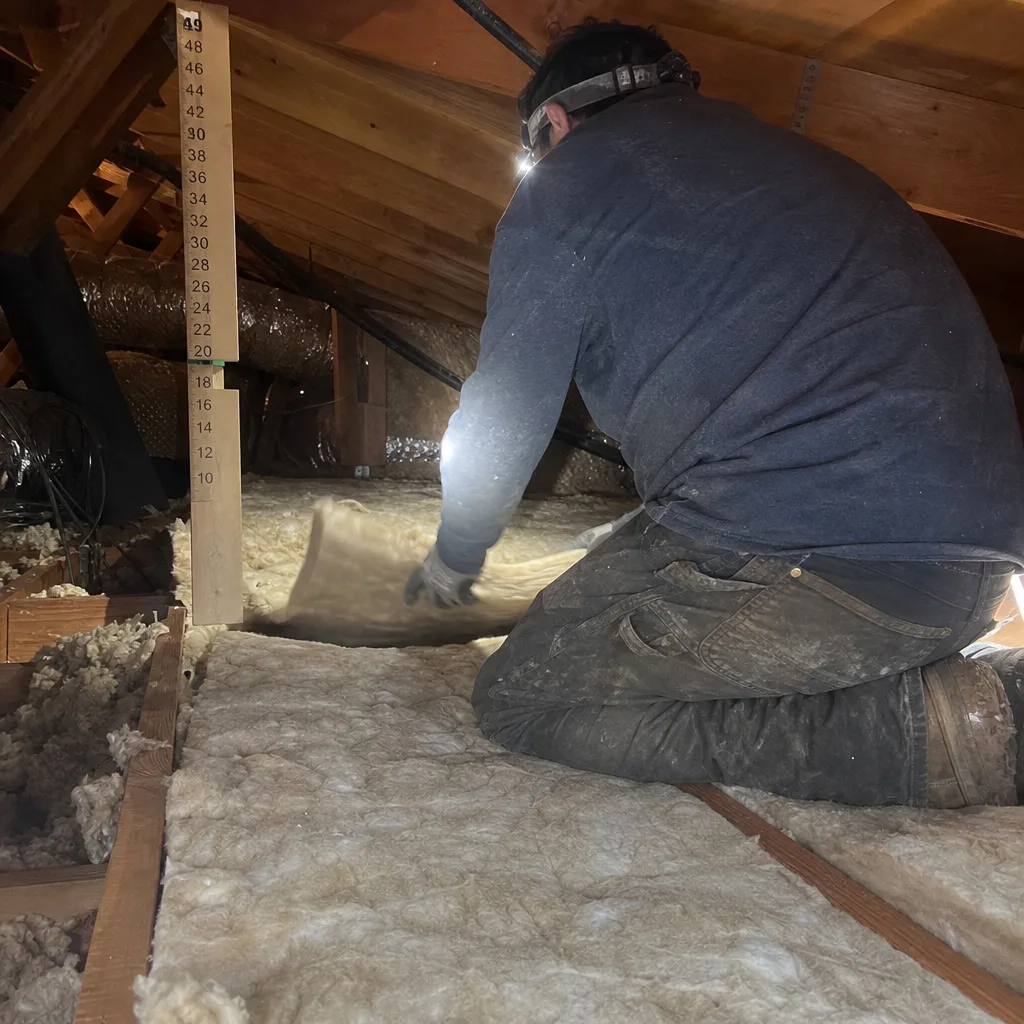
The documented photo record is not a marketing extra. It’s evidence. Every Envelope Insulation Co. job, including every Topside Attic Insulation Lake Forest home project, closes with a photo record showing the attic before work, the air sealing in progress, the insulation at specified depth, and the post-job blower-door reading on the digital manometer. The homeowner receives this with the written warranty. If a question arises later, about mold, about a roof leak, about whether the work was actually performed, the documentation exists.
The R-Value vs. Performance Gap: Why Your R-38 Acts Like R-22
R-value measures conductive heat resistance. It assumes still air on both sides of the insulation layer. In a real Lake Forest attic, air is rarely still. It’s moving through gaps in the top plates, around can lights, through the attic hatch, and along plumbing and electrical penetrations. This air movement, called thermal bypass or exfiltration, carries conditioned air out and hot attic air in, bypassing the insulation entirely.
The math is straightforward and well-documented in building science literature. A study by the Florida Solar Energy Center, replicated in multiple climate zones, found that blown fiberglass installed over an unsealed attic floor delivers 55-70% of its rated R-value in real-world conditions. For Lake Forest specifically, we see the lower end of that range in summer and the higher end in winter, when stack effect is weaker.
Here’s what that means in dollars. A 2,000 square foot Lake Forest home with R-38 blown fiberglass over an unsealed attic floor:
- Rated performance: R-38, U-factor 0.026, theoretical heat flow of 1.3 BTU/hr·ft²·°F across a 70°F temperature differential (140°F attic, 70°F interior).
- Actual performance with typical air leakage (4,200 CFM50): Effective R-value of R-22 to R-26, U-factor 0.038 to 0.045, actual heat flow of 1.9 to 2.3 BTU/hr·ft²·°F.
- Additional HVAC load: 1,200-1,800 BTU/hr of unnecessary cooling demand, or roughly 0.3-0.5 tons of effective capacity.
The homeowner paid for R-38. They received R-22 performance. Their SCE bill reflects the gap every summer month. In Lake Forest, where July and August cooling degree days are substantial, the annual cost of this performance gap runs $180-$340 in extended HVAC runtime, depending on electricity rates and thermostat setpoint. Over ten years, the “savings” of skipping air sealing cost $1,800-$3,400 in excess energy bills, not counting accelerated equipment wear.
After proper air sealing and re-testing, we typically see blower-door reductions of 40-55% in Lake Forest homes. The effective R-value rises to 90-95% of rated value. The insulation performs as specified. The homeowner receives what they paid for. This is why we seal first, then insulate, in that order, on every job. Blowing insulation over an unsealed attic floor is, in our experience, the most common and most expensive error in residential insulation work.
Materials matter, but installation dominates performance. We’ve tested homes in Portola Hills with Icynene open-cell spray foam that performed poorly because the rim joists were missed. We’ve tested homes in Foothill Ranch with basic fiberglass batts that performed excellently because the air sealing was thorough and the installation was complete. The R-value on the bag is a laboratory number. The number that matters is the blower-door reading after the crew leaves.
Cost Per Square Foot: Three Common Lake Forest Applications Compared
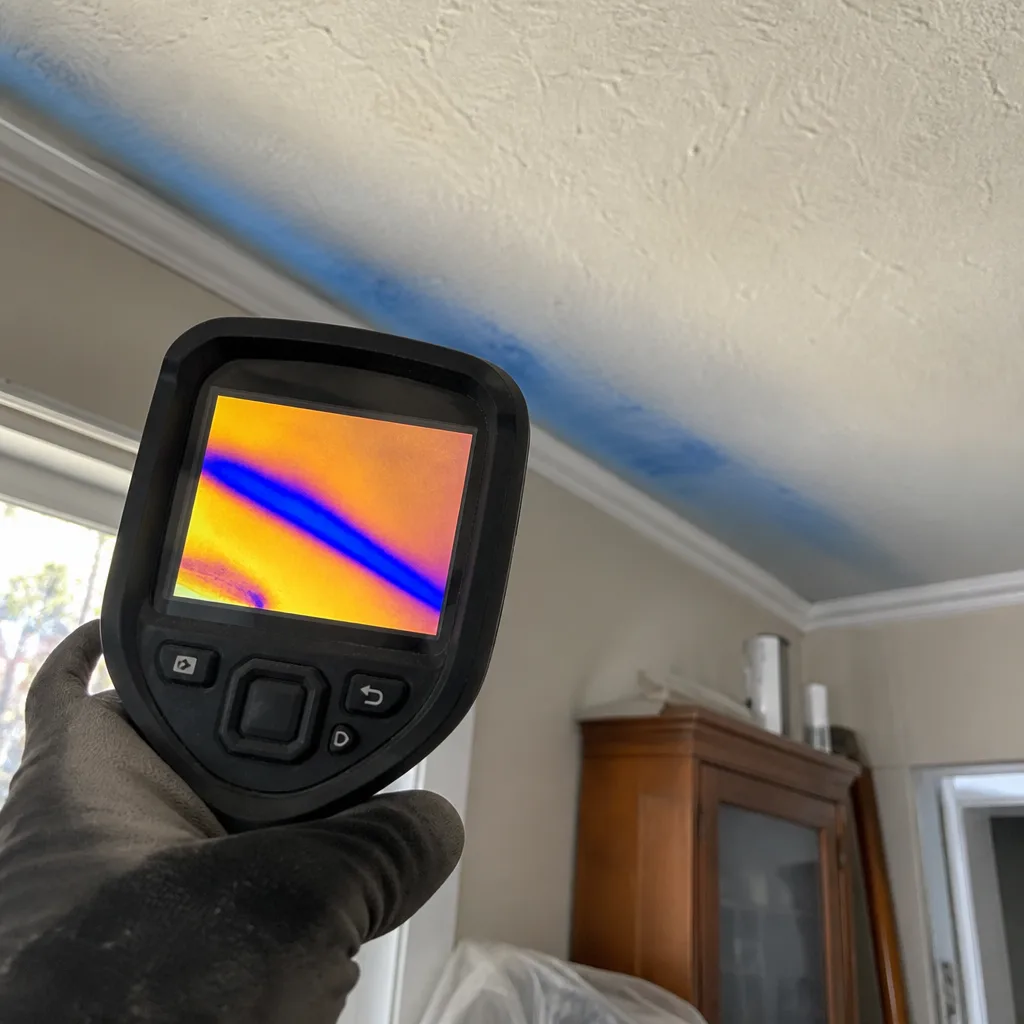
Homeowners often ask for a single cost-per-square-foot number. The honest answer is that it varies by application, access, and material, and the labor-to-material ratio shifts dramatically between them. Here are the three most common scenarios we encounter in Lake Forest, with 2026 market ranges and the honest breakdown of where the money goes.
1. Blown Attic Insulation (Retrofit, Existing Home)
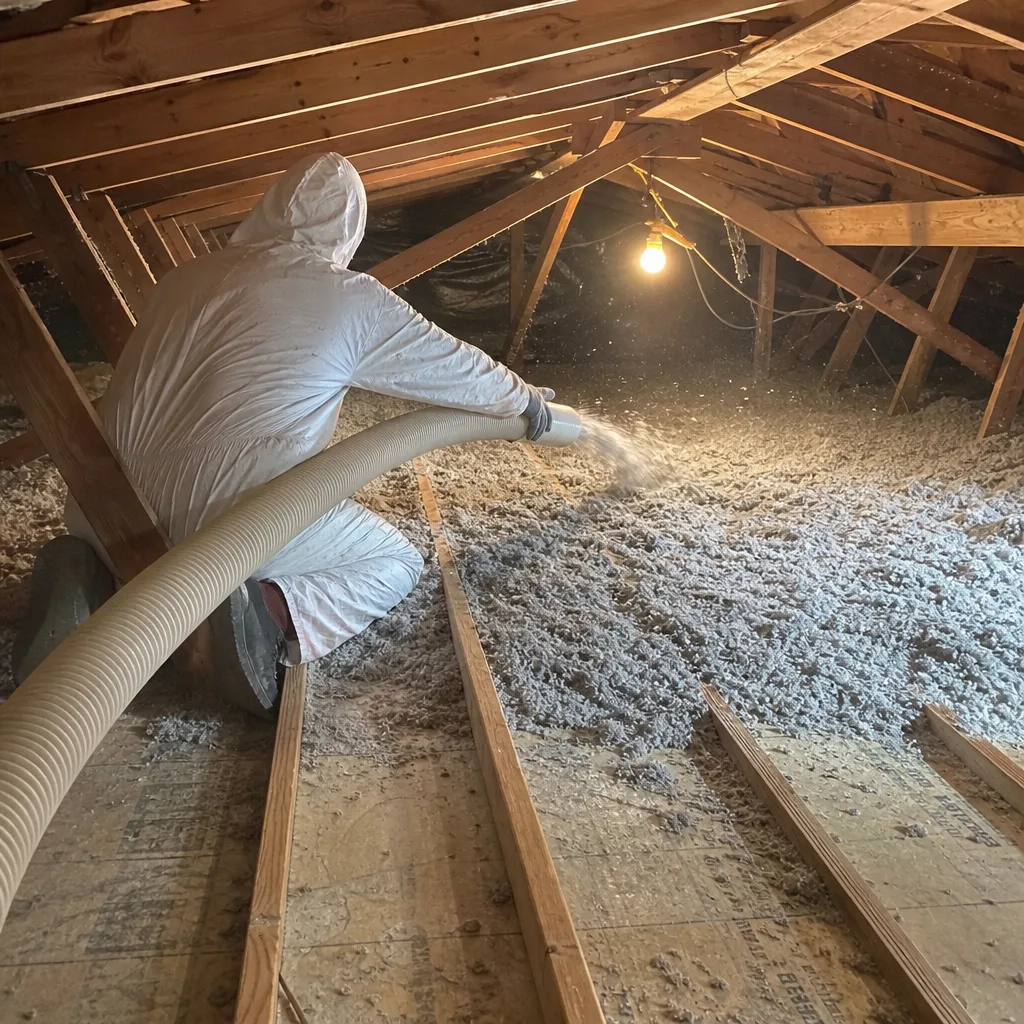
This is the most common job in Lake Forest, applicable to the majority of homes built before 2010 that have insufficient or degraded attic insulation. Typical scope: remove or supplement existing material, air seal the attic floor, blow new insulation to R-38 or R-49.
- Cost range: $1.40-$2.70 per square foot of attic floor area
- Labor-to-material ratio: 55% labor, 45% material
- Why labor dominates: Air sealing is hand work. The blower operation is fast, but the prep is slow. In Lake Forest’s older tracts, we regularly find original construction with unsealed top plates and recessed can lights that require fire-rated covers or dense-packed cellulose surrounds.
For a 2,000 square foot home with 1,400 square feet of attic floor, expect $1,960-$3,780 for the complete job. The low end assumes open access, minimal air sealing, and blown fiberglass. The high end assumes limited access, extensive air sealing, and premium cellulose or higher R-value.
2. Batt Wall Insulation (Remodel or Addition)
Exposed stud bays during a kitchen remodel, room addition, or whole-house renovation allow for batt installation without drywall removal. This is common in Lake Forest’s ongoing infill and renovation market, particularly in the older neighborhoods near Lake Forest Drive and the El Toro corridor.
- Cost range: $2.20-$3.80 per square foot of wall area
- Labor-to-material ratio: 60% labor, 40% material
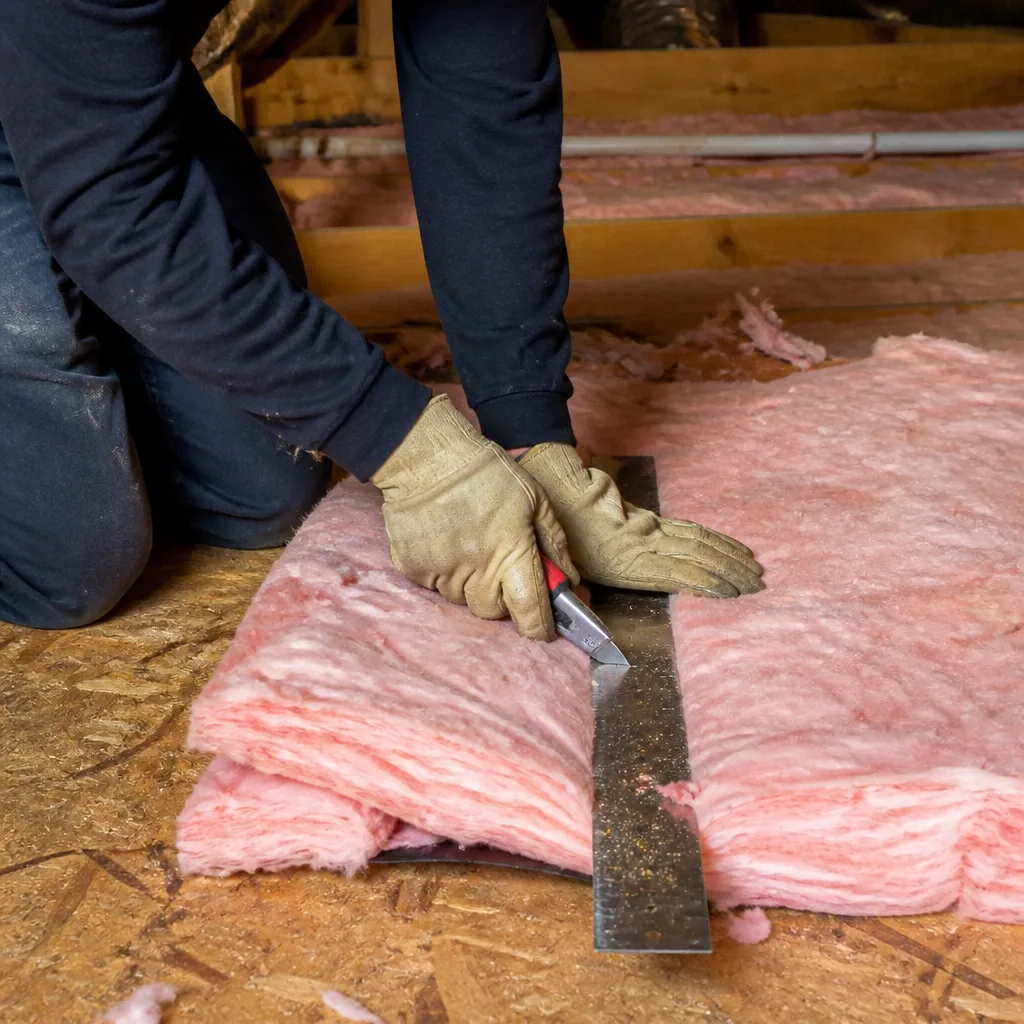
- Why labor dominates: Precision cutting around electrical boxes, windows, and framing irregularities. Batt insulation performs poorly if compressed, gapped, or moisture-exposed. Proper installation requires time.
Material is typically fiberglass batts from Owens Corning or Johns Manville, or mineral wool from Rockwool for fire-rated assemblies. The labor intensity means this application rarely makes sense as a standalone retrofit, drywall removal and replacement adds $4-$6 per square foot, making dense-pack cellulose or injection foam more cost-effective for existing walls.
3. Spray Foam at Rim Joists (Crawl Space or Basement)
Lake Forest has limited basements but significant crawl space stock, particularly in the Foothill Ranch and Portola Hills areas built on sloped lots. Rim joist spray foam, typically 2-3 inches of closed-cell Demilec or Icynene, seals the critical junction between foundation and floor framing.
- Cost range: $4.50-$7.50 per linear foot of rim joist
- Labor-to-material ratio: 35% labor, 65% material
- Why material dominates: Closed-cell spray foam is expensive. The application is relatively fast for a trained technician, but the chemical cost is fixed and high.
For a typical 1,800 square foot home with 180 linear feet of rim joist, expect $810-$1,350. This is often paired with Crawl Space Encapsulation & Vapor Barrier in Lake Forest for a complete ground-to-roof envelope solution.
The labor-to-material ratios matter for homeowner decision-making. A quote for blown attic insulation that is 70% material cost is suspicious, it suggests minimal air sealing or a subcontractor blowing and leaving. A quote for spray foam that is 80% labor is equally suspicious, it suggests either inflated labor rates or thin application that doesn’t achieve the specified R-value and air barrier.
SoCalGas and SCE Rebates in 2026: What’s Available and How to Claim
California utility rebates for insulation upgrades changed structure in 2024-2025 with the consolidation of Energy Upgrade California into direct utility programs, and 2026 maintains the current framework. For Lake Forest homeowners, both Southern California Edison (SCE) and SoCalGas offer rebates for qualifying insulation improvements, but the amounts, documentation requirements, and timelines differ.
SCE Electric Cooling Efficiency Rebates
SCE administers rebates for attic insulation upgrades that reduce cooling load. The 2026 program structure:
- Attic insulation to R-38 or above: $0.15 per square foot of treated attic area, minimum 500 square feet
- Attic insulation plus verified air sealing (minimum 15% reduction in CFM50): $0.25 per square foot of treated attic area
- Maximum per household: $1,000
The higher tier requires pre- and post-installation blower-door testing by a certified technician, with documentation submitted through SCE’s online portal. The test results must show a minimum 15% reduction in air leakage. This is why the post-job blower-door test is not optional for rebate-maximizing homeowners, it’s required documentation.
SoCalGas Whole Home Efficiency Rebates
SoCalGas offers rebates through its Residential Energy Efficiency Rebate (REER) program, structured around whole-home improvements:
- Attic insulation as standalone measure: Not directly rebated in 2026
- Attic insulation as part of qualifying home performance package: $400-$800 depending on total package scope and verified savings
- Package requirements: Minimum two measures (e.g., insulation plus air sealing, or insulation plus duct sealing), with pre- and post-job testing
The SoCalGas pathway is more complex but potentially more lucrative for homeowners undertaking comprehensive work. A typical Lake Forest package might include attic air sealing, blown insulation to R-49, and duct sealing in the attic, with a Home Energy Audit in Lake Forest as the qualifying assessment.
Documentation and Timeline
- Before work begins: Obtain a qualifying energy assessment or audit. For SCE rebates, this can be a simplified assessment performed by the installing contractor if they hold the appropriate certification. For SoCalGas packages, a certified Home Energy Rating System (HERS) rater or Building Performance Institute (BPI) analyst must perform the assessment.
- During work: Maintain photo documentation of existing conditions, material installation depths, and any air-sealing measures. The installing contractor should provide this as part of their standard documentation.
- After work: Complete post-installation testing. Submit rebate application through utility portal with test results, invoice, and product specifications. Processing time is typically 8-12 weeks for SCE, 10-16 weeks for SoCalGas.
We include rebate documentation assistance on every qualifying Envelope Insulation Co. job. The homeowner receives a complete packet: energy assessment report, pre- and post-blower-door readings, material specifications, itemized invoice, and photo record. This is submitted to the utility, and we track the rebate status. Most Lake Forest homeowners receive their rebate 10-14 weeks after job completion.
One practical note: rebate programs can exhaust annual funding. SCE’s insulation rebate pool typically opens January 1 and runs through September or October in high-demand years. Homeowners planning work for late fall or winter should confirm program availability before scheduling.
What a Written Price Looks Like and Why It Protects You
Under The Haven Standard, every job begins with a written price before any work starts. This is not an estimate. It is a fixed-price scope-of-work document that specifies exactly what will be done, what materials will be used, what the final price will be, and what documentation the homeowner will receive. No work starts without it. No change orders appear mid-job.
Here’s what a proper written price includes for a Lake Forest attic insulation job:
- Property address and date: Specific identification, not a generic template.
- Scope narrative: “Air seal attic floor at all top plates, electrical and plumbing penetrations, can lights, attic hatch, and chimney chase. Install blown fiberglass insulation to R-38 minimum depth per manufacturer specification. Perform pre- and post-job blower-door test. Obtain City of Lake Forest permit and schedule inspection. Provide documented photo record and written warranty.”
- Material specifications: Manufacturer, product line, and installed depth. “Owens Corning AttiCat blown fiberglass, minimum 12 inches depth for R-38 in 2×6 attic framing.”
- Line-item pricing: Each component priced separately, with a total. This allows comparison and identifies exclusions.
- Exclusions and assumptions: “Quote assumes attic access via standard hatch. If additional access is required, written change order with homeowner approval before proceeding.” “Quote excludes rodent remediation, roof repair, or electrical work.”
- Timeline: “Work to commence within 14 days of written acceptance. One-day completion typical. Inspection scheduling included.”
- Warranty terms: “365-Day Done Right Promise. If insulation settles below specified depth, if air sealing fails, or if blower-door result does not meet specified target, we return and correct at no charge.”
- Documentation delivered: “Pre- and post-blower-door readings, photo record, permit final, written warranty certificate.”
The protection this provides is specific and practical. Lake Forest homes built between 1965 and 1995 often have attic conditions that aren’t fully visible until the crew enters. A written price with clear assumptions prevents the “we found mold” or “your joists are too far apart” surprise that doubles the bill. If additional work is needed, it’s a separate written price, approved before execution.
We’ve reviewed competitor quotes where the “estimate” was a single number on a half-page form with no material specified, no depth stated, no testing mentioned, and no permit referenced. These aren’t prices. They’re invitations to renegotiate later. The homeowner has no recourse if the crew blows six inches instead of twelve, uses a different material than discussed, or skips the air sealing entirely.
The written price also protects the contractor. It establishes clear expectations, prevents scope creep, and documents that the homeowner received exactly what was promised. Under Haven Standard Clause 1, both parties know what leaving looks like before anyone arrives.
Common Mistakes to Avoid
- Comparing single-number quotes without line-item review. A $2,200 quote and a $4,200 quote are not comparable unless you know what each includes. Demand the breakdown.
- Assuming R-value equals performance. R-38 over leaks performs like R-22. The number on the bag is not the number in your ceiling. Require blower-door verification.
- Skipping the permit to save $250. Unpermitted insulation work complicates home sales, voids some manufacturer warranties, and removes municipal inspection as a quality check. In Lake Forest, permit history is discoverable by buyers and their agents.
- Ignoring summer attic conditions. Lake Forest attics reach 140°F regularly. Insulation installed without proper clearance around can lights, without baffles at eaves, or without proper hatch sealing creates fire and moisture risks. We’ve found improperly installed batts blocking soffit vents in homes near El Toro Road, causing condensation and mold.
- Choosing material based on brand marketing rather than application fit. Spray foam is excellent at rim joists and problematic in vented attics without careful design. Cellulose is cost-effective and fire-resistant but requires proper depth for target R-value. Fiberglass is versatile but performs poorly if compressed or wind-washed. The right material depends on the specific assembly.
- Neglecting to claim available rebates. SCE and SoCalGas rebates leave money on the table if documentation isn’t submitted. Many contractors don’t assist with this, the homeowner is left to navigate utility portals alone.
- Accepting verbal warranties. “Lifetime warranty” means nothing if it’s not in writing, with specific terms, exclusions, and a process for claims. Demand the written warranty before work starts.
When to Call a Professional
Call a professional when your summer SCE bills are rising without rate increases, when rooms farthest from the HVAC unit are consistently 5-8°F warmer than the thermostat setting, or when you can see floor joists above the existing attic insulation. These are symptoms of an underperforming thermal envelope, and they’re correctable with proper diagnosis and installation.
Call a professional before a major renovation. If you’re opening walls, replacing a roof, or upgrading HVAC, the incremental cost of proper insulation and air sealing is far lower than retrofitting later. The sequencing matters: air seal first, then insulate, then verify.
Call a professional if you’ve received multiple quotes that vary by more than 30%. That spread almost always indicates scope differences that a qualified contractor can identify and explain. Our Free Second Opinion service exists for exactly this situation, bring us any written estimate and we’ll review it with you, line by line, at no charge.
Topside Attic Insulation Lake Forest offers free estimates in Lake Forest; explore our more guides & resources while you plan. A trained technician inspects your attic, performs a preliminary blower-door assessment if indicated, and delivers a written price before any work is discussed. Call (657) 279-1249 to schedule. A live person answers, 24/7, no voicemail loops.
Frequently Asked Questions
A complete attic insulation job for a typical 1,800-2,400 square foot Lake Forest home runs $2,800-$5,400 when air sealing, permits, and blower-door verification are included. The same scope without air sealing or testing quotes at $1,800-$3,200 but delivers roughly 40% less real-world performance. Call (657) 279-1249 for a written price on your specific home, estimates are free.
Replacement is usually more cost-effective than repair for insulation more than 15 years old, particularly in Lake Forest’s climate where attic temperatures accelerate material degradation. Blown fiberglass settles and loses loft; cellulose compacts and can harbor moisture if the attic wasn’t properly ventilated. Adding new material over degraded old material creates an indeterminate R-value and may conceal air leaks. We typically recommend removal and replacement with full air sealing for homes built before 2005. The written price will specify whether removal is included.
Most standard attic insulation jobs in Lake Forest are completed in one day, assuming accessible conditions and no unforeseen structural issues. The typical sequence: morning arrival, pre-job blower-door test, air sealing, insulation installation, post-job blower-door test, cleanup, and photo documentation. Complex jobs with extensive air sealing, multiple attic zones, or material removal may extend to a second day. The written price specifies the expected duration before work begins.
SCE offers $0.15-$0.25 per square foot for qualifying attic insulation with verified air sealing, up to $1,000 per household. SoCalGas offers $400-$800 for insulation as part of a qualifying home performance package with multiple measures. Both require pre- and post-installation testing and documentation submission. We include rebate assistance on every qualifying job. Call (657) 279-1249 to confirm current program availability for your planned work.
The 60% variation we regularly see in Lake Forest quotes reflects scope differences, not market chaos. The lowest quote typically excludes air sealing, blower-door testing, permits, and documentation. The highest quote includes a complete building-envelope approach with verified performance. Comparing single numbers without line-item review is comparing incomplete work to complete work. Always demand the written scope.
The only way to verify insulation performance is measurement, not visual inspection. A blower-door test quantifies air leakage through the building envelope. Infrared imaging during the test identifies thermal bypasses. Post-job testing confirms improvement. We provide before-and-after blower-door numbers on every applicable job, so you see the performance change in a single figure. If your contractor doesn’t test, you don’t know what you received.
Look for written prices before work starts, specified materials with manufacturer and product line, included permits and inspections, pre- and post-job blower-door testing, documented photo records, and a written warranty with specific terms. Verify that air sealing is performed before insulation installation, not offered as an optional add-on. Check that the contractor carries appropriate licensing and insurance, and that they have performed work in Lake Forest specifically, local code familiarity and climate experience matter.
The Bottom Line
Insulation cost in Lake Forest is not a single number. It’s a stack of line items that, taken together, determine whether you pay for performance or pay for material that can’t perform. The complete job, air sealing, testing, permit, documentation, runs $2,800-$5,400 for a typical home in 2026. The stripped job, insulation only, runs $1,800-$3,200. The $1,000-$2,200 difference is the cost of making the R-value real. Over ten years, the complete job pays for its premium through energy savings, equipment longevity, and rebate capture. The stripped job costs more than it saves.
Demand the written price. Demand the blower-door numbers. Demand the photo record. These are not extras. They are the minimum standard for a job done right. Under The Haven Standard, they are the only standard we offer.
Written by Wes Okafor, Owner at Topside Attic Insulation Lake Forest, serving Lake Forest since 2016.