
Crawl Space Insulation in Lake Forest, CA
Crawl space insulation in Lake Forest typically runs between $1,800 and $4,200 depending on square footage, current insulation condition, and whether air sealing is needed first; for a full breakdown of related services, see How Much Does Crawl Space Encapsulation & Vapor Barrier Cost? (2026 Price Guide) - Lake Forest, CA. Most jobs we complete in a single day, and every one starts with a written price – no surprises when the invoice arrives.
If your floors feel cold in the morning, your energy bills have crept up since you moved in, or you can smell something musty when the HVAC kicks on, the crawl space under your Lake Forest home is worth a hard look. Uninsulated or degraded crawl space insulation lets conditioned air bleed out through the floor assembly year-round, which is why many homeowners pair insulation with Crawl Space Encapsulation & Vapor Barrier protection. In Lake Forest’s climate – warm, dry summers with overnight lows that actually drop in January – that translates to a heating system working harder than it should from November through February and an air conditioner that never quite catches up on June afternoons.
We’re Envelope Insulation Co., operating as Topside Attic Insulation Lake Forest, and we’ve been sealing and insulating homes under The Haven Standard since 2016. Wes Okafor leads every project with one standing rule: air sealing happens before insulation goes in, not as an optional add-on after. If you want a written price before anyone touches your crawl space, call us at (657) 279-1249 – a live person picks up, any hour.
Crawl space insulation is one component of a broader moisture and thermal strategy. To understand how it fits with vapor barriers and full encapsulation, see our Crawl Space Encapsulation & Vapor Barrier in Lake Forest page, which covers the complete picture.
When You Need Crawl Space Insulation
- Floors that feel cold or uneven in winter. In Lake Forest neighborhoods like Foothill Ranch and Baker Ranch, homes built on raised foundations in the 1980s and 1990s often have fiberglass batts that have sagged, compressed, or fallen out entirely. When the insulation loses contact with the subfloor, it loses most of its thermal value.
- Energy bills that climbed after purchase without an obvious cause. If your gas or electric bills are noticeably higher than what the home disclosure suggested, degraded crawl space insulation is one of the first places to check – along with attic coverage. We see this pattern regularly in homes along Muirlands and in the older sections near El Toro Road.
- A musty or earthy smell inside the living space. Insulation that has absorbed moisture becomes a substrate for mold. Once that air moves through floor penetrations into the living space, you’re breathing it. This isn’t a cosmetic issue.
- Visible insulation damage after a rodent event. Rats and mice nest in batt insulation. If you’ve had a rodent intrusion – common in the brushy edges of Lake Forest near the Whiting Ranch trail corridor – the insulation may need full removal before new material goes in. We document everything with photos before and after.
- A home built before 1990 that has never had crawl space work. Many Lake Forest homes from that era have original fiberglass batts stapled between joists. After 30-plus years, those batts hold about half their rated R-value on a good day. California’s Title 24 energy code sets R-19 as the minimum for crawl space floors in Climate Zone 10, where Lake Forest sits – older homes frequently fall well short.
- You’re planning to add a vapor barrier or full encapsulation. Insulation and vapor management work together. Installing a vapor barrier without addressing the floor insulation leaves thermal performance on the table. We sequence the work correctly: air seal first, insulate second, vapor barrier as the final layer where applicable.
Our Crawl Space Insulation Process
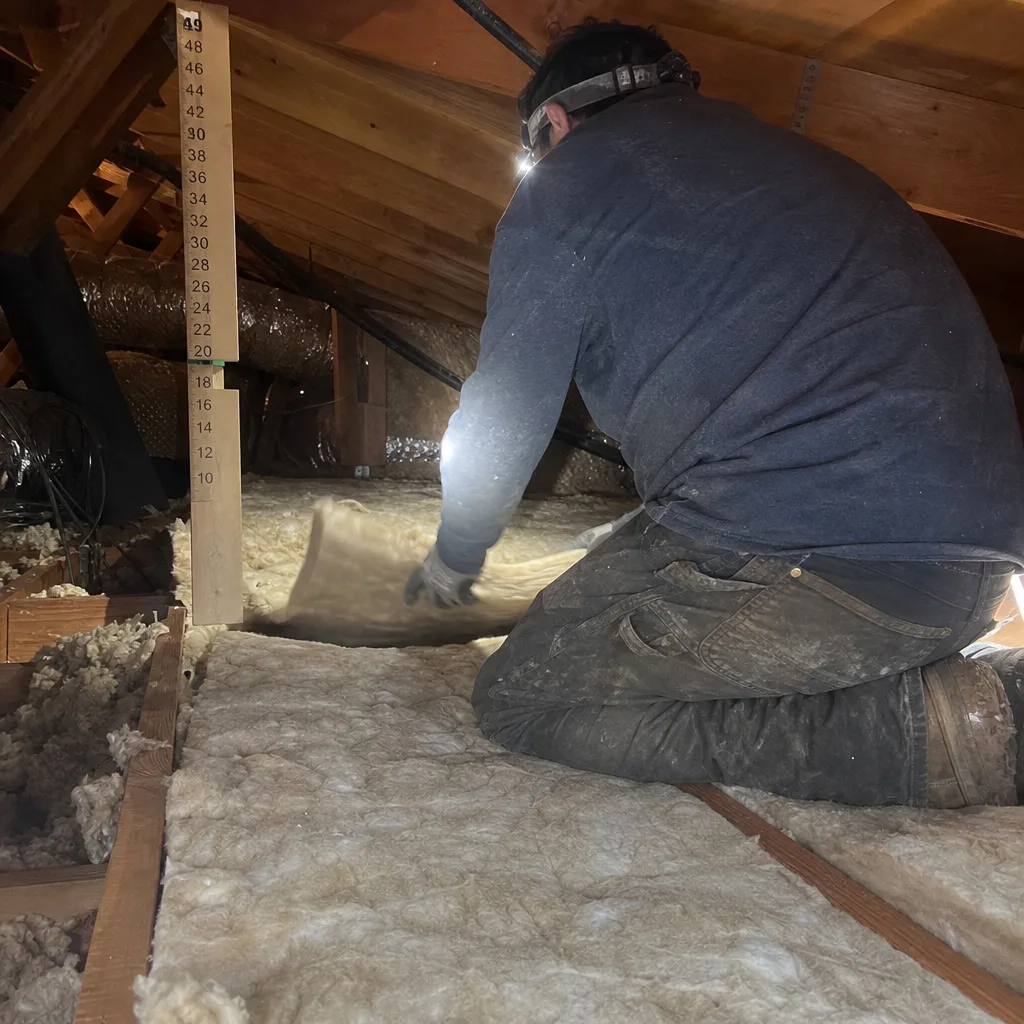
- Written scope and price before any work starts. Under Haven Standard Clause 1, you receive a flat written price and a written scope of work before anyone enters your crawl space with a tool. Wes Okafor reviews every scope personally. No verbal estimates, no price adjustments at the end.
- Crawl space inspection and photo documentation. A uniformed, background-checked technician photographs existing insulation, moisture staining, joist condition, vapor barrier status, and any visible pest damage. You get those photos whether you proceed with the job or not – this is your documentation, not ours.
- Removal of degraded or contaminated material. If existing insulation has moisture damage, rodent contamination, or has fallen from the joists, it comes out first. We bag and remove it. Leaving compromised material in place and covering it with new insulation is the kind of shortcut that shows up in your blower-door numbers – and in your air quality.
- Air sealing of penetrations before insulation is installed. This is the step most contractors skip. We seal rim joists, pipe penetrations, wire chases, and any gaps in the floor assembly with appropriate foam or caulk before a single batt or panel goes in. Insulation slows heat transfer; air sealing stops the air movement that makes insulation perform far below its rated R-value. We don’t insulate over unsealed penetrations.
- Insulation installation to meet or exceed R-19. For most Lake Forest crawl spaces, we install Knauf EcoSeal-compatible fiberglass batts or Rockwool ComfortBatt between floor joists, depending on moisture conditions and joist depth. Rockwool is dimensionally stable, doesn’t sag, and holds its R-value if minor moisture reaches it – a relevant consideration in crawl spaces. We cut every piece to fit; compression or gaps kill performance. Target is R-19 minimum per California Title 24, with R-25 available for deeper joist bays.
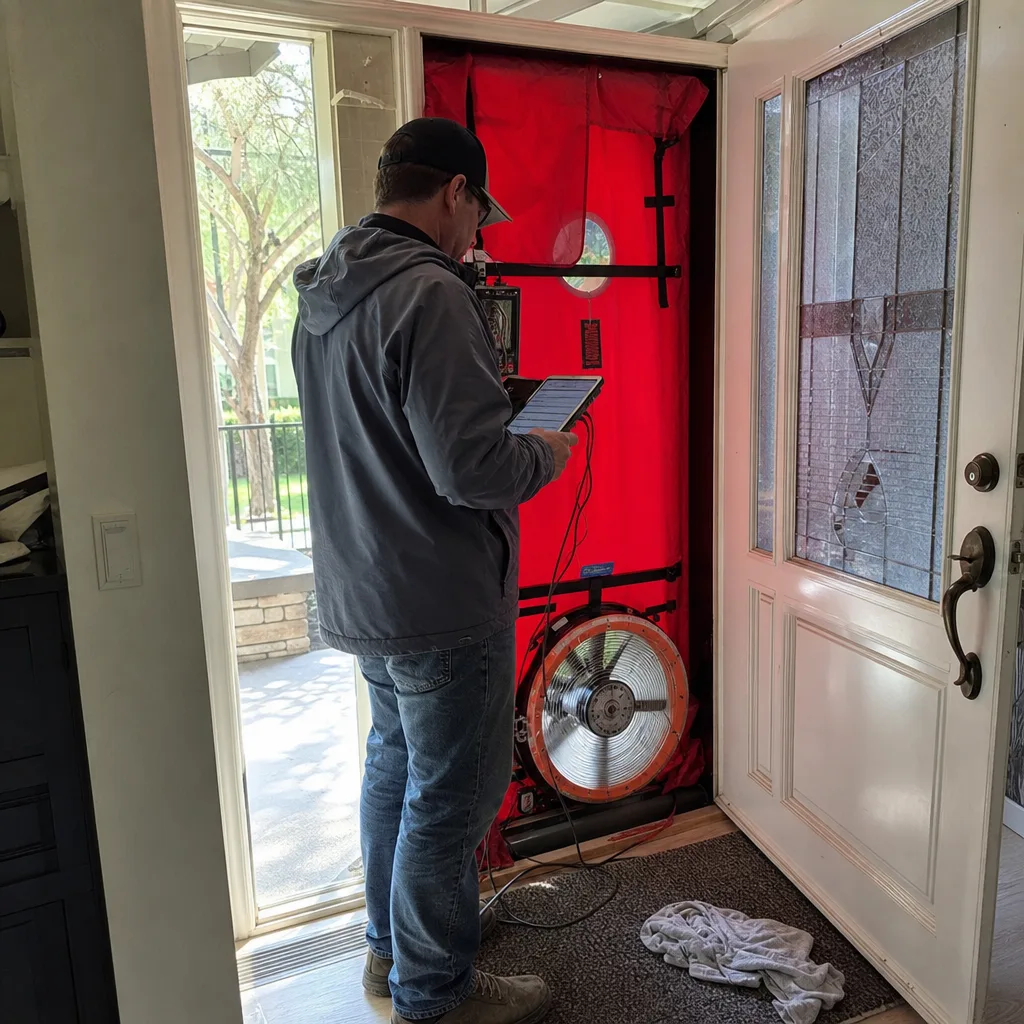
- Closeout documentation and blower-door data where applicable. When air sealing is a significant part of the scope, we record a before and after blower-door test – a pressurization reading, measured in CFM50, that shows in one number how much conditioned air the building envelope was losing before and after the work. You leave with the written scope, the photos, and the performance numbers. That’s what leaving looks like on every job we close.
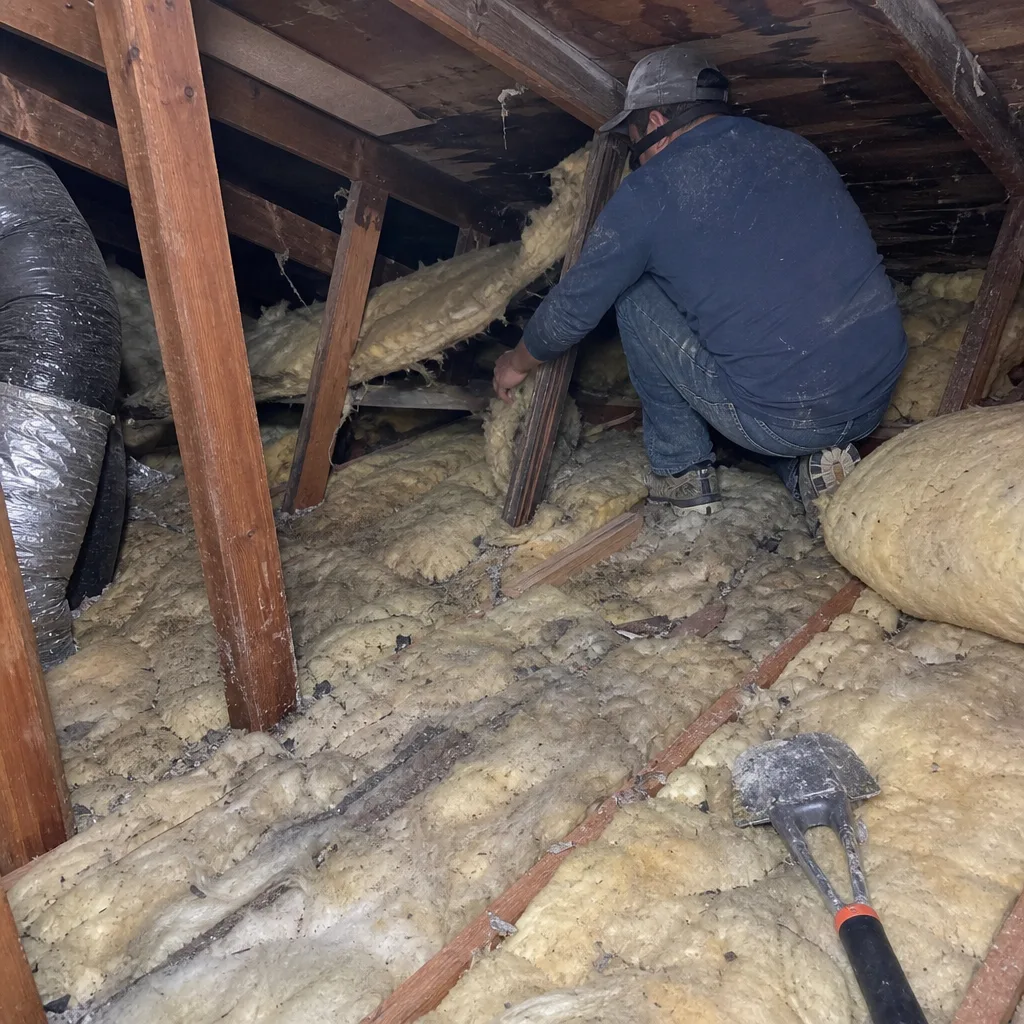 Before
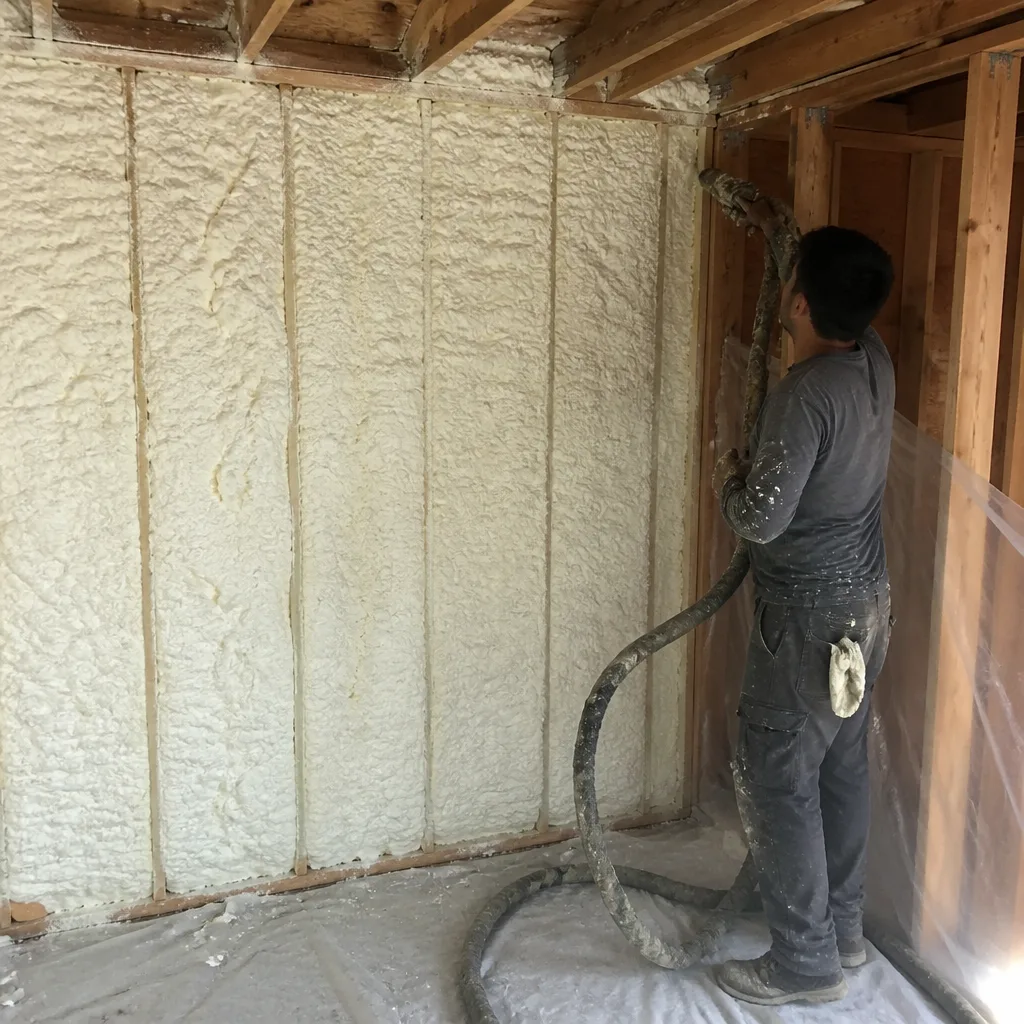 After
AfterCrawl Space Insulation Pricing in Lake Forest
Most crawl space insulation jobs in Lake Forest fall in the range below. These are real numbers from jobs we’ve completed in this market – not national averages pulled from a database.
| Scope | Typical Range |
|---|---|
| Insulation only (existing material in acceptable condition), up to 1,000 sq ft | $1,800 – $2,400 |
| Removal of old insulation + reinstall, up to 1,000 sq ft | $2,400 – $3,200 |
| Air sealing + insulation, 1,000 – 1,800 sq ft crawl space | $2,800 – $4,200 |
| Rodent-damaged insulation removal, sanitation, reinstall | $3,200 – $5,500+ |
What moves the number up or down:
- Crawl space height. A 24-inch clearance takes longer to work in than a 36-inch clearance. Most of the older Foothill Ranch homes we’ve been in run tight – that’s a real labor factor.
- Condition of existing insulation. Material that can stay in place doesn’t need a removal line item. Material with rodent contamination requires proper bagging, disposal, and sanitation before new insulation can go in.
- Joist depth and target R-value. Standard 2×10 joists accommodate R-30 batts; shallower joists top out at R-19 or R-25. The price difference is in material cost, not labor.
- Whether air sealing is needed. If we find unsealed rim joists and pipe penetrations – which we do on the majority of Lake Forest homes built before 2000 – that adds time and material. But we won’t skip it to lower the quote; insulating over unsealed gaps is a documented performance failure.
- Access conditions. A standard exterior hatch is straightforward. Interior-only access with a small opening in a closet floor adds time.
Every price we give is written before work starts. If you have a written estimate from another contractor, bring it to us. Under The Haven Standard’s free second opinion offer, Wes Okafor will read it with you line by line and tell you what it includes, what it doesn’t, and how our scope compares – no pressure, no obligation. Call (657) 279-1249 to schedule that conversation.
FAQs – Crawl Space Insulation in Lake Forest
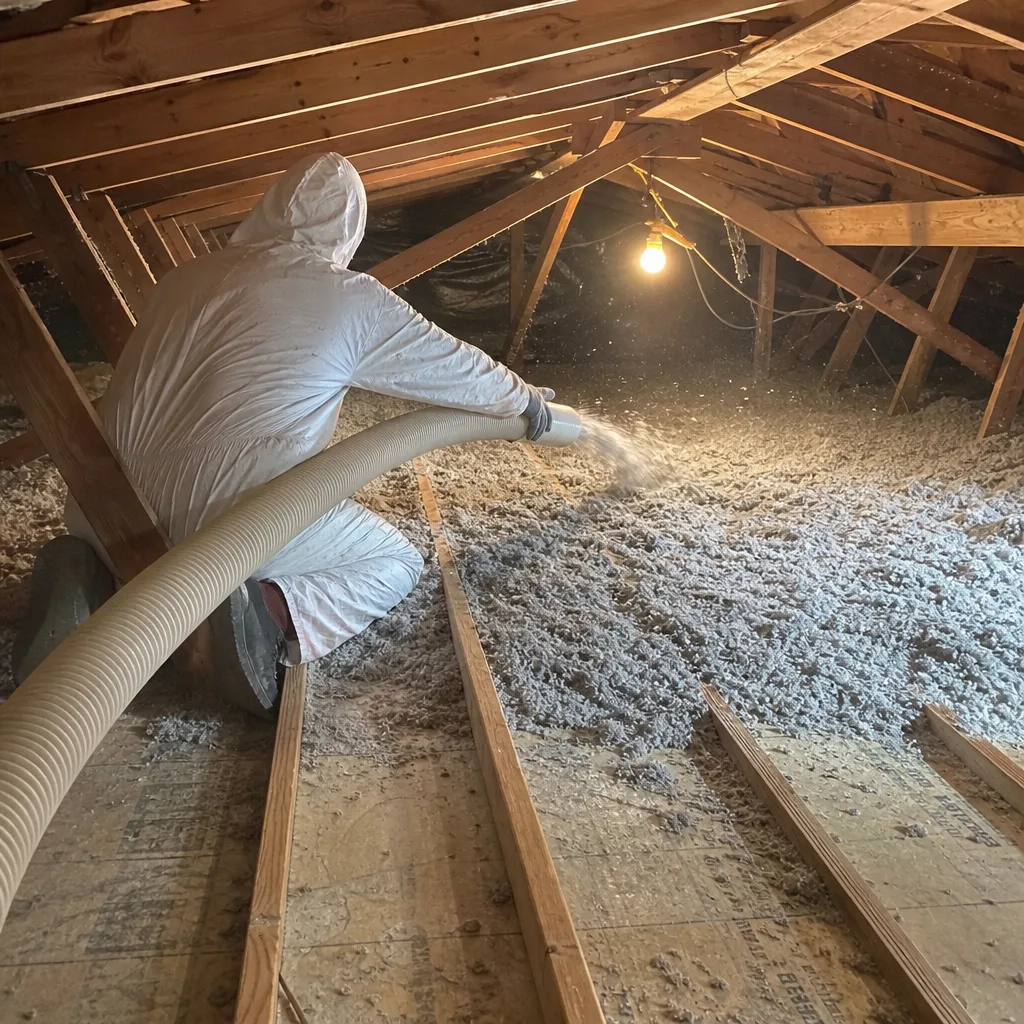
What R-value does a crawl space need in Lake Forest, CA?
California Title 24 sets R-19 as the minimum floor insulation requirement for Lake Forest, which sits in Climate Zone 10. In practice, if your joist bays are deep enough to accept R-25 or R-30 batts, the additional material cost is modest and the performance gain is real – especially in a home where the HVAC system runs through the crawl space. We note the code minimum in every written scope and let you decide whether to exceed it; the decision is yours with the numbers in front of you.
Can crawl space insulation be installed without encapsulation?
Yes, and it’s a reasonable first step if your crawl space is dry, well-ventilated, and not showing moisture intrusion. Insulation addresses thermal performance; encapsulation and vapor barriers address moisture. If we inspect your crawl space and find no standing moisture, no efflorescence on the foundation walls, and an intact existing vapor barrier, insulation alone is a defensible scope. If we find moisture, we’ll tell you – and we’ll document it with photos before recommending the broader work covered under our Crawl Space Encapsulation & Vapor Barrier in Lake Forest service.
How long does crawl space insulation installation take in a typical Lake Forest home?
A straightforward installation – air sealing plus new fiberglass batts with no removal, with or without a Crawl Space Vapor Barrier – on a crawl space up to 1,200 square feet usually takes one crew day, typically six to eight hours. Add removal of existing material and the day can stretch to eight to ten hours, or we may schedule it across two days depending on access and contamination level. You’ll know the timeline before the job starts; it’s part of the written scope.
Does new crawl space insulation actually reduce energy bills?
It does, though the savings range varies by how degraded the existing insulation was and how leaky the floor assembly is. On jobs where we complete air sealing before insulating, we measure the difference with a blower-door test – a pressurization reading in CFM50 – taken before and after. On a Lake Forest home we completed near Aliso Viejo Road, the reading went from 3,800 CFM50 before sealing to 1,950 CFM50 after, cutting the air leakage rate nearly in half. That difference is what shows up in a lower heating bill in February and a more comfortable house in June. We publish those numbers on every applicable job so you can see what the work actually did.
Why Homeowners in Lake Forest Choose Envelope Insulation Co.
Since 2016, we’ve completed work on more than 9,000 homes across Southern California – every one with a written price before work started and a documented photo record when the crew left. That’s not a marketing claim; it’s the operating structure of The Haven Standard, which Wes Okafor built the company around.
A few things that set our crawl space insulation work apart from what you’ll see in most contractor quotes:
- Sealed first, insulated second – always. We will not blow or batt insulation over unsealed floor penetrations. Air sealing is not an upsell; it’s a prerequisite. Any contractor who skips this step is selling you insulation that performs below its rated R-value from day one.
- Before-and-after blower-door numbers on applicable jobs. When air sealing is in scope, you get the CFM50 reading before and after the work. A number you can verify is more useful than a contractor’s word.
- 365-Day Done Right Promise. If the work isn’t right, we come back and make it right. That’s in writing before we start, not offered as a concession after a complaint.
- Materials from manufacturers you can verify. We work with Knauf, Rockwool, CertainTeed, and other major manufacturers – no proprietary product lines, no bait-and-switch to a house brand you can’t look up.
- A live person answers at (657) 279-1249, any hour. Not a voicemail, not a callback window. If you have a question about your quote or your job at 9 PM on a Tuesday, someone picks up.
Lake Forest homeowners who have done their research tend to notice one thing about our quotes: the scope is specific. We name the material, the R-value, the number of linear feet of rim joist being sealed, and the target air change rate where measurable. That specificity is intentional. A vague quote is a quote that can change; a written scope is a commitment.
Key Takeaways
- Crawl space insulation in Lake Forest typically costs $1,800 to $4,200+ depending on square footage, condition of existing material, and whether air sealing is included.
- California Title 24 requires a minimum of R-19 for floor insulation in Lake Forest’s Climate Zone 10; deeper joist bays can accommodate R-25 or R-30.
- Air sealing rim joists and floor penetrations before installing insulation is not optional – it’s what determines whether the insulation performs at its rated value in the field.
- Every job from Envelope Insulation Co. starts with a written price, closes with a documented photo record, and is covered by the 365-Day Done Right Promise.
- Blower-door measurements before and after air sealing are included on applicable jobs so you can verify the result in a single number.
Get a Written Price for Your Lake Forest Crawl Space
If your Lake Forest home has a crawl space that hasn’t been inspected in the last five years – or if you’ve noticed cold floors, rising energy bills, or a musty smell you can’t trace – a written assessment is a reasonable starting point. Under Haven Standard Clause 1, we give you the full scope and price in writing before anyone starts work. There’s no commitment to proceed from an inspection, and a free second opinion on any competing written estimate is available at no charge.
Call (657) 279-1249 to schedule a crawl space inspection in Lake Forest. A live person will answer, confirm your address, and get a named technician on the calendar – with a text when they’re on the way.
Written by Wes Okafor, Owner at Topside Attic Insulation Lake Forest, serving Lake Forest since 2016.