
Rockwool Attic Insulation: The Lake Forest Owner’s Guide
Rockwool attic insulation installation in Lake Forest typically runs $2.80 to $4.50 per square foot for batt or loose-fill products, with most single-story homes in the Baker Ranch and Foothill Ranch areas falling between $3,200 and $5,800 for a complete attic floor. We stock Rockwool Comfortbatt, Comfortboard, and AFB evo (acoustical fire batt) in our Lake Forest warehouse, and we can usually inspect and quote same-day if you call before noon. Most homeowners realize their Rockwool insulation is underperforming after a summer utility bill spikes, a home energy audit flags an R-value gap, or they notice the second floor of their Portola Hills home never quite cools down despite the AC running flat out.
Which Rockwool Models This Applies To
We work with three Rockwool product families that show up in Lake Forest attics: Comfortbatt (residential thermal batts, R15 through R38, faced and unfaced), Comfortboard 80/110 (rigid board for cathedral ceilings or knee walls), and AFB evo (fire-resistant batts sometimes used in attached garage ceiling assemblies under the 2019 California Energy Code). The bag label tells you what you have: Comfortbatt prints density in pounds per cubic foot (pcf) and nominal thickness; Comfortboard stamps the compressive strength in psi on the foil face. If you’re staring at faded ink, measure the batt thickness: a true R30 Comfortbatt is 7.25 inches uncompressed, and anything measuring under 6.5 inches has settled or was improperly installed.
OEM Rockwool is what we install; there is no direct aftermarket equivalent that matches the 8.5 pcf density and 1,500°F melt point of mineral wool. Some Lake Forest contractors substitute fiberglass batts at a lower price point, but fiberglass runs R3.0 to R3.7 per inch versus Rockwool’s R4.2, and it doesn’t handle the Santa Ana heat-cycling the same way. We source Rockwool directly through their West Coast distribution; we don’t carry proprietary substitutes because the thermal bridging and fire-rating performance change when you swap materials.
Signs Your Rockwool Attic Insulation Is Failing
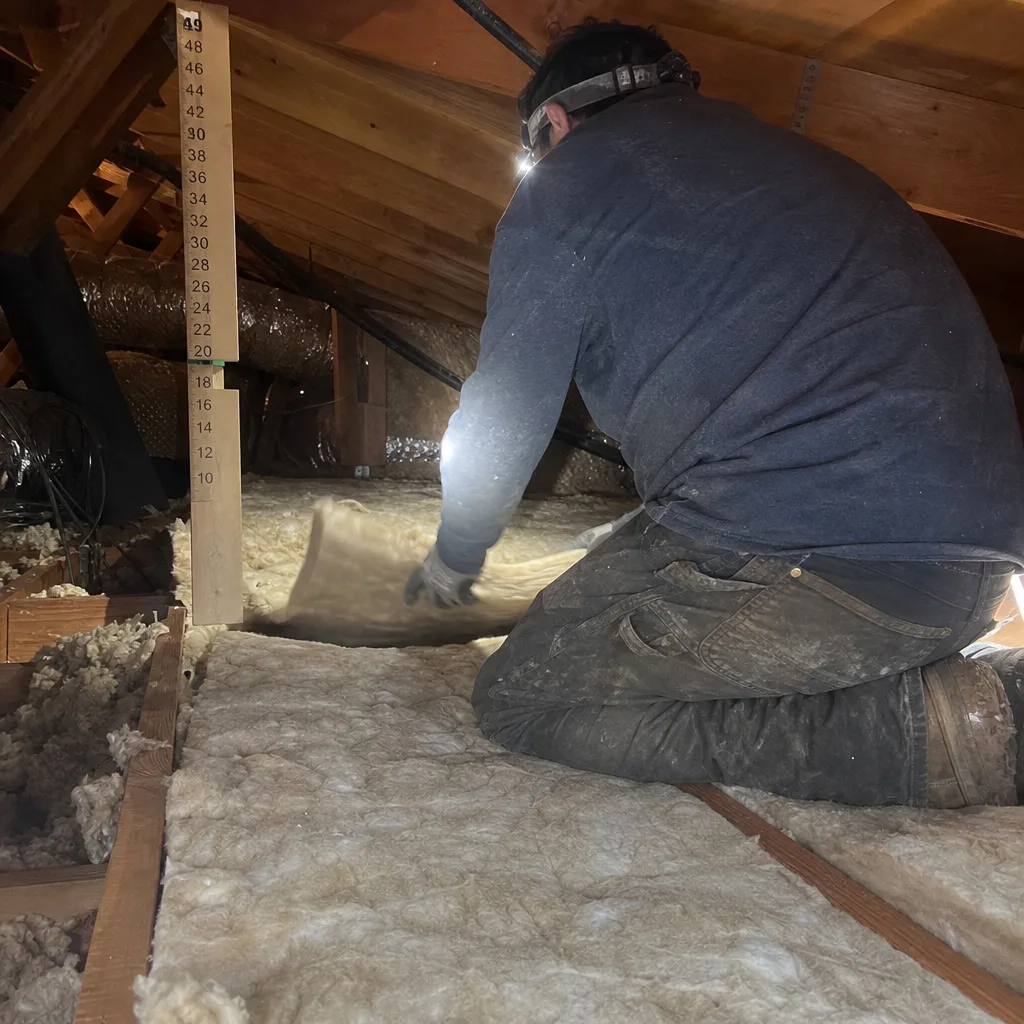
- Hot second floor, cool first floor. Rockwool that has settled below its labeled thickness, or was installed with gaps at the eaves, lets conditioned air stratify. In Lake Forest’s inland microclimate, that temperature split shows up hardest in August when attic temps hit 140°F.
- Visible compression or displacement. Walk boards, storage boxes, or rodent activity compress Rockwool from 8.5 pcf to 12+ pcf, which drops the R-value proportionally. We see this in attics above the older Foothill Ranch townhomes where owners used the space for holiday storage.
- Water staining or mineral wool discoloration. Rockwool doesn’t mold like cellulose, but roof leaks wick through it and leave a gray-to-brown tide line. The insulation stays wet longer than you’d expect because mineral wool holds 1,000% water by volume without dripping, which rusts nail heads and rots sheathing from below.
- Drafty rooms despite closed windows. Rockwool is an air barrier only when it fills the cavity completely. Gaps at top plates, plumbing chases, or recessed can light housings let conditioned air bypass the insulation entirely. The R-value on the bag means nothing if the air has somewhere else to go.
- Energy audit shows R-value below label claim. A thermal camera or probe measurement reads R19 where R30 was specified. This happens when batts are cut short at the bay ends, or when loose-fill AFB evo was blown to depth but never settled to the design density.
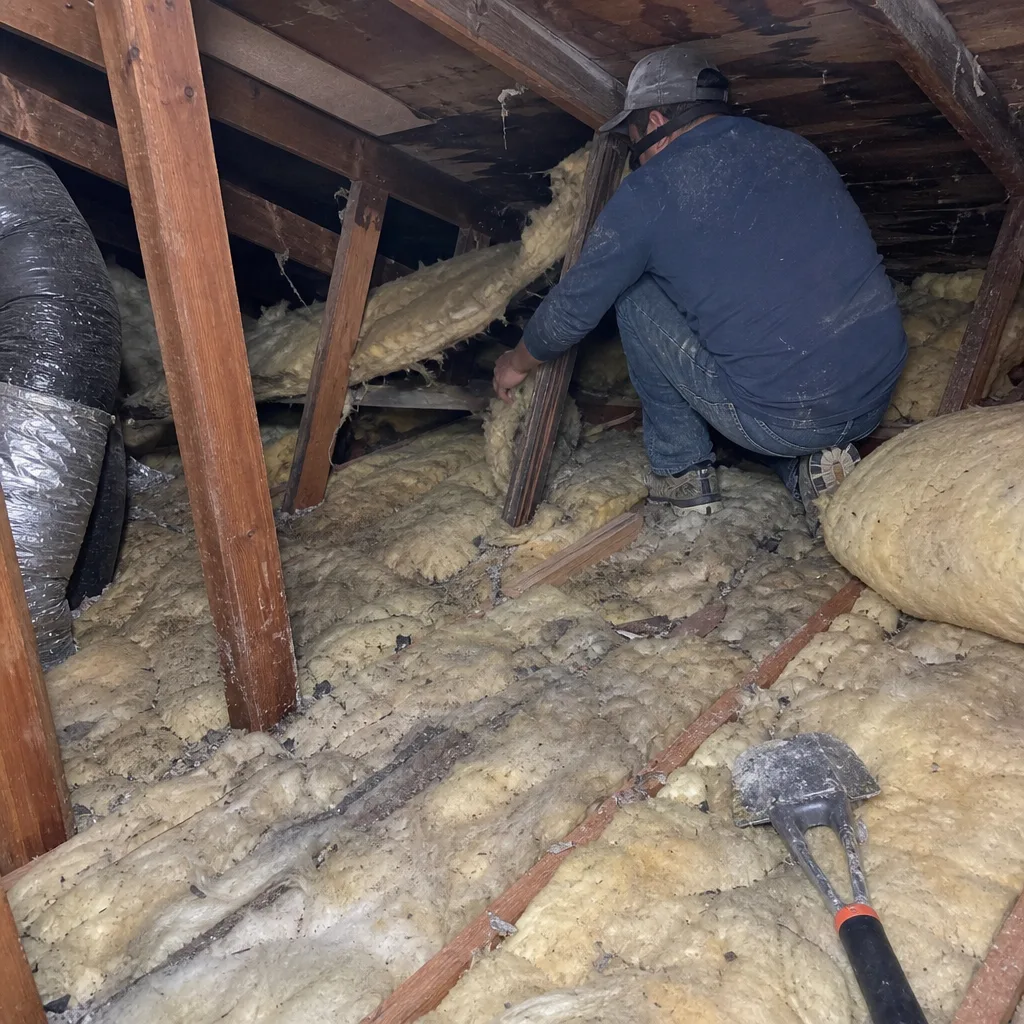 Before
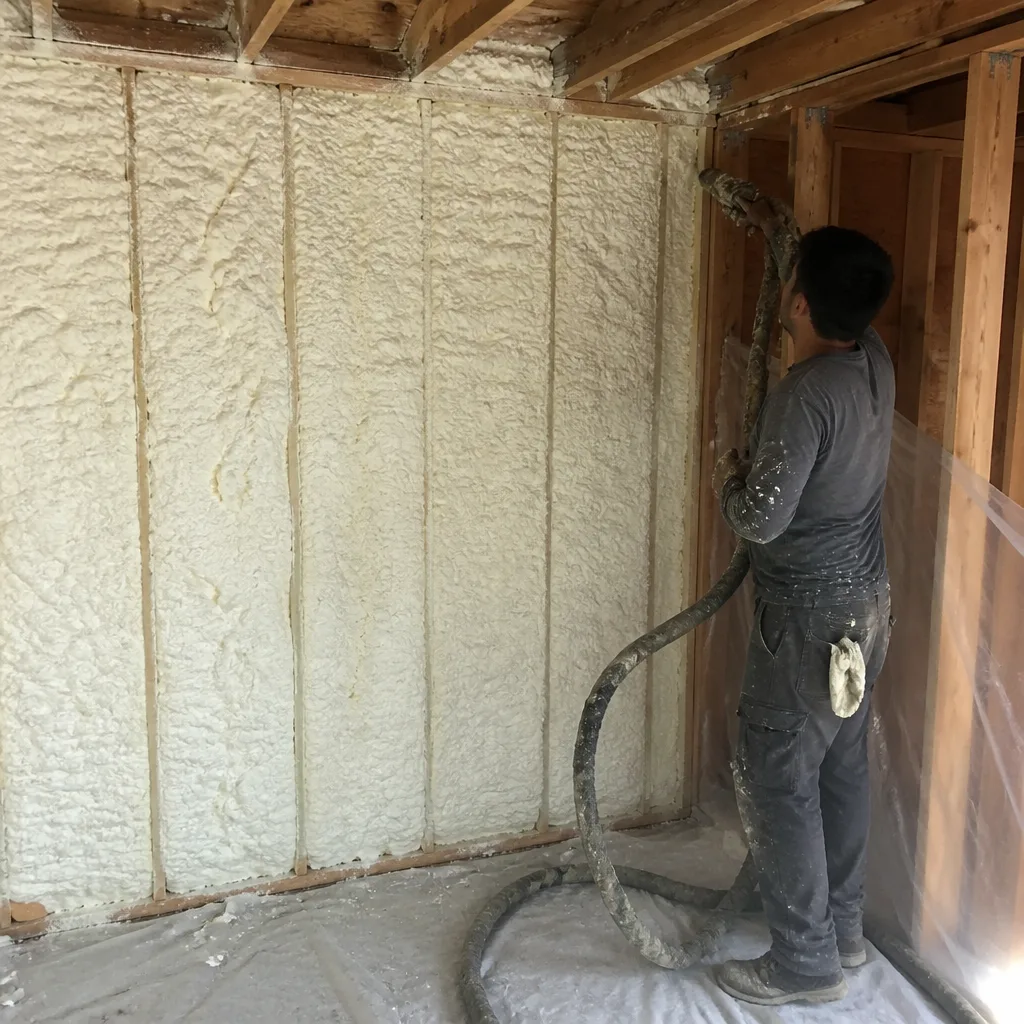 After
AfterReplacement Cost & What’s Included
Most Rockwool attic jobs in Lake Forest fall in these ranges:
| Scope | Typical Range |
|---|---|
| Partial replacement (1-2 bays, water damage) | $680 - $1,400 |
| Full attic floor, Comfortbatt R30, 1,200 sq ft | $3,200 - $4,800 |
| Full attic floor, high-density R38, 2,000+ sq ft | $5,200 - $7,600 |
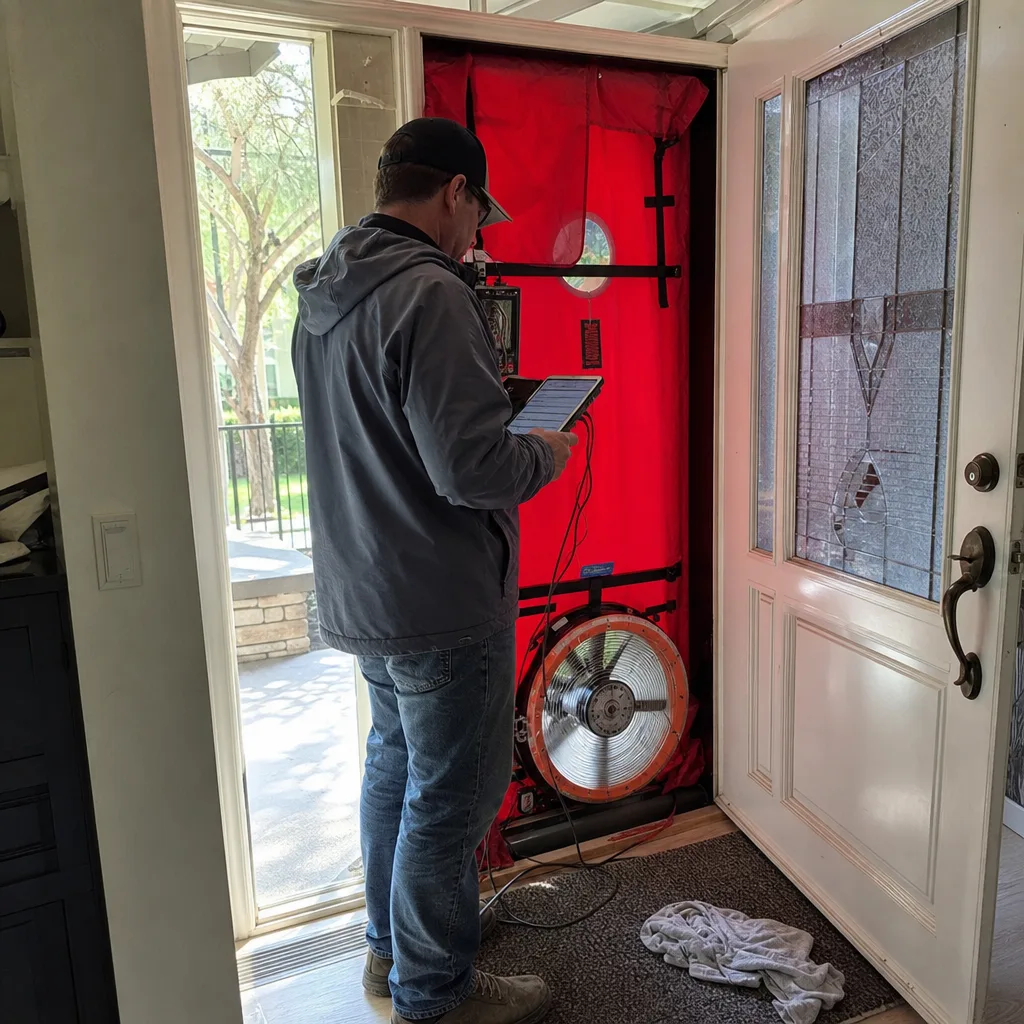
| Air sealing + Rockwool (blower-door verified) | Add $1,100 - $2,400 |
What moves the number: attic square footage, current insulation removal (if any), accessibility (scuttle versus pull-down stairs versus cut new access), and whether we find unsealed bypasses that need addressing first. Every quote under Haven Standard Clause 1 is a flat price, written scope, written warranty before anyone lifts a tool. The 365-Day Done Right Promise covers installation defects and material settling below spec. We don’t charge to re-measure if your post-install thermal reading doesn’t match what we promised.
DIY or Call Us?
Here’s what you can safely check yourself: measure batt thickness with a yardstick, photograph bag labels for the product code, and look for obvious gaps at the eaves or around penetrations. Don’t compress the batts while you’re up there; every footstep reduces R-value.
Here’s where DIY goes wrong: Rockwool batts are 8.5 pcf, roughly three times the density of fiberglass, and they don’t flex into place the same way. Cut them short and you’ve built thermal bypasses. Leave gaps around can lights or top plates and you’ve paid for R30 performance while getting R15 reality. In Lake Forest’s climate zone 10, that gap costs you about $340-$520 per year in excess cooling load. We also see homeowners install faced batts with the vapor retarder on the wrong side, which traps moisture against the drywall in winter. If your attic has active knob-and-tube wiring or vermiculite from pre-1990 construction, stop and call; both require abatement protocols before new insulation goes in. For a free second opinion on any written estimate, or to get our documented photo record and blower-door numbers, call (657) 279-1249.
FAQs
Rockwool mineral wool is rated for the life of the building envelope, 50+ years, but only when it stays dry and uncompressed. In Lake Forest, we find batts installed in the 2005-2010 build wave that have settled 15-20% due to foot traffic and thermal cycling, which is why we measure depth at four corners during every inspection and include those readings in your documented record. Call (657) 279-1249 to schedule a depth check.
Localized damage from a roof leak or rodent nesting can be spot-replaced if the surrounding batts test dry and uncompressed. We cut out the affected section, inspect the sheathing, and infill with matching product. If more than 30% of the attic shows compression, displacement, or water history, partial or full replacement is more cost-effective than patchwork. We price both options in writing before you decide.
A typical 1,500-square-foot attic with air sealing and new Comfortbatt takes one crew day, 6 to 8 hours. Add half a day if we’re removing old insulation first, or if your attic has limited access and we need to stage materials through a second-story window. We text you a 30-minute arrival window and a named technician under Haven Standard.
We stock Comfortbatt R15 through R38, Comfortboard 80, and AFB evo in our Lake Forest warehouse. Same-day installation is usually available for inspections completed before noon; next-day for larger scopes requiring two crew members. We also stock Reflectix radiant barrier if your energy audit calls for a hybrid assembly. Topside Attic Insulation Lake Forest is an independent service provider, not affiliated with Rockwool.
Written by Wes Okafor, Owner, Topside Attic Insulation Lake Forest at Topside Attic Insulation Lake Forest, serving Lake Forest and nearby areas.