
Johns Manville Crawl Space Encapsulation: The Lake Forest Owner’s Guide
We stock and install Johns Manville-compatible crawl space encapsulation systems in Lake Forest, with most complete jobs running $3,800-$7,200 depending on square footage and whether the foundation needs active dehumidification. Same-day assessment is available, and we carry Johns Manville vapor barrier rolls, seam tape, and mechanical fasteners on every truck. Most Lake Forest homeowners discover their encapsulation has failed when they notice a musty smell returning after months of dryness, or when their dehumidifier runs continuously without reaching the set humidity - usually because the polyethylene barrier has torn at a seam, the tape has delaminated, or groundwater is finding a path around the perimeter.
Which Johns Manville Models This Applies To
Johns Manville does not sell crawl space encapsulation as a branded “system” with model numbers the way they sell fiberglass batts by R-value. What we encounter in Lake Forest homes is Johns Manville polyethylene vapor barrier - typically 6-mil to 20-mil reinforced polyethylene - installed by previous contractors, sometimes paired with JM-formulated seam tape or termination bars. To identify what you have, look for the JM logo printed on the barrier edge, or check the mil thickness embossed into the material itself. The 12-mil reinforced product is common in tract homes built between 2005 and 2015 around the Foothill Ranch corridor, where builders used the minimum spec to pass inspection.
The OEM-versus-aftermarket question here is straightforward: Johns Manville manufactures the barrier material but does not produce proprietary mechanical fasteners, sump basins, or dehumidifiers. We can source identical-mil JM barrier or cross-match to comparable reinforced polyethylene from Reflectix or other manufacturers we stock. The critical compatibility point is the reinforcement grid - JM’s 12-mil and 20-mil products use a woven scrim that some generic tapes do not adhere to properly, which is why we see so many seam failures where the wrong tape was applied. We stock the pressure-sensitive acrylic tape rated for scrim adhesion, and we verify it on-site before any cutting begins.
Signs Your Johns Manville Crawl Space Encapsulation Is Failing
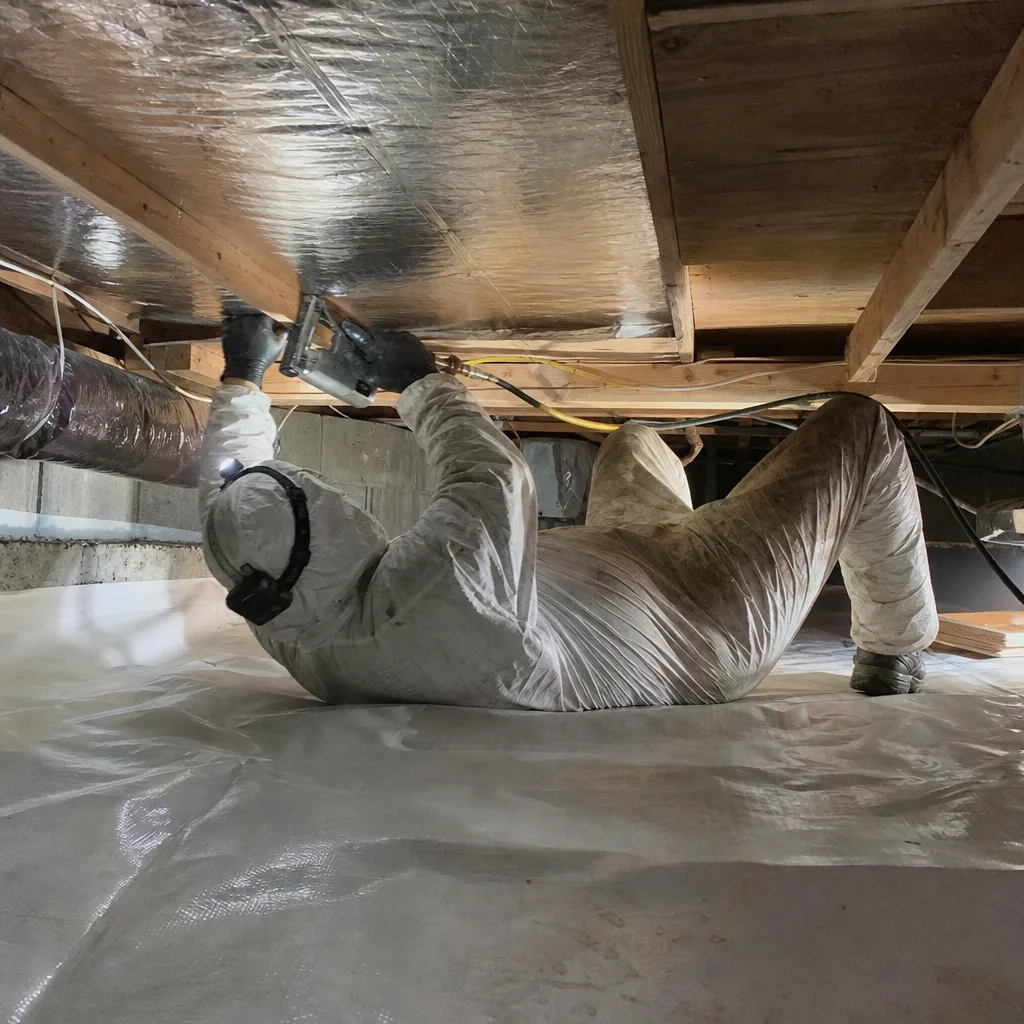
- Musty odors returning in humid months. The vapor barrier’s primary job is blocking soil moisture from entering the crawl space air. When seams split or the barrier pulls away from the foundation walls, relative humidity climbs above 60% and mold spores activate. In Lake Forest’s Mediterranean climate, this typically happens in late summer when the Santa Ana pattern gives way to onshore flow and the ground is still warm.
- Dehumidifier running constantly without reaching setpoint. A properly sized dehumidifier in a sealed crawl space should cycle. If it’s running 18+ hours daily, the encapsulation has a breach - often at the perimeter where the barrier meets the stem wall, or at a plumbing penetration where the sealant has aged out.
- Condensation on ductwork or floor joists. This is the visual confirmation. When warm, moist crawl space air contacts cooler HVAC ducts or framing, water beads on the surface. Over time this causes wood rot and attracts subterranean termites, which are active year-round in Orange County.
- Barrier material sagging or pooling water on top. The polyethylene should lie flat against the soil or gravel base. Sagging indicates either initial poor installation without sufficient overlap, or that groundwater pressure is finding a path underneath - common in Lake Forest’s clay-heavy soils near the Aliso Creek wash where hydrostatic pressure shifts seasonally.
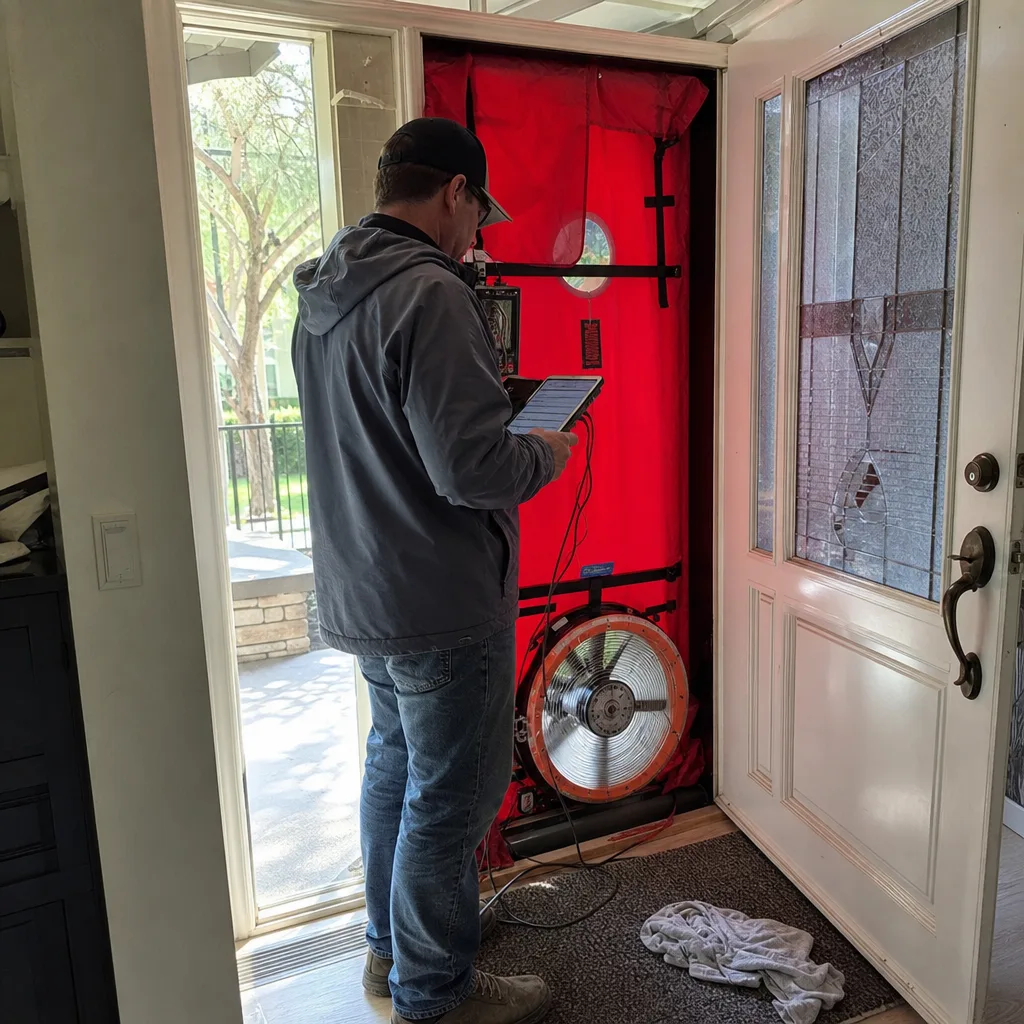
- Increased energy bills with no HVAC explanation. Ductwork in a vented or failing crawl space loses conditioned air through leaks and conductive losses. When the encapsulation fails, the crawl space reverts to ambient temperature, and your system works harder to maintain setpoint - something we quantify with a blower-door test (a pressurization reading that shows, in one number, how much air your building envelope is losing) before any repair work.
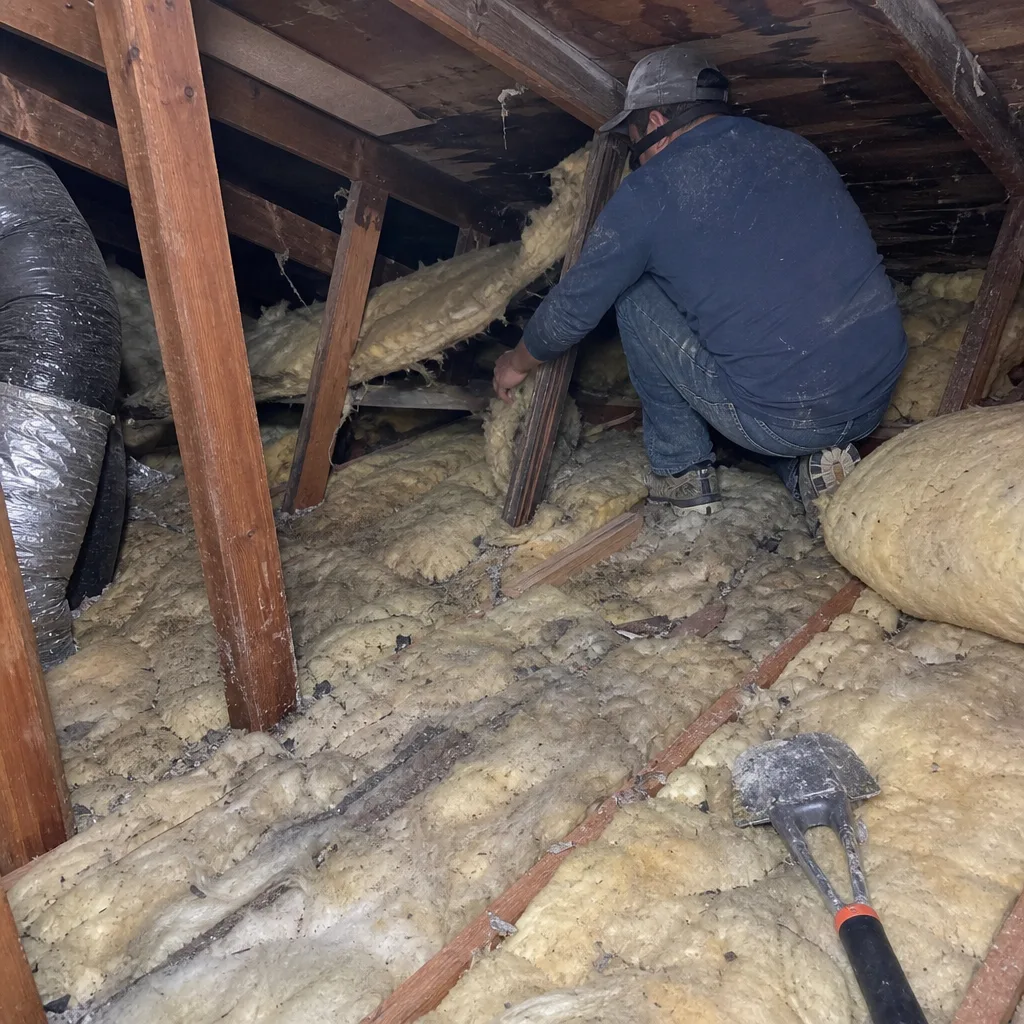 Before
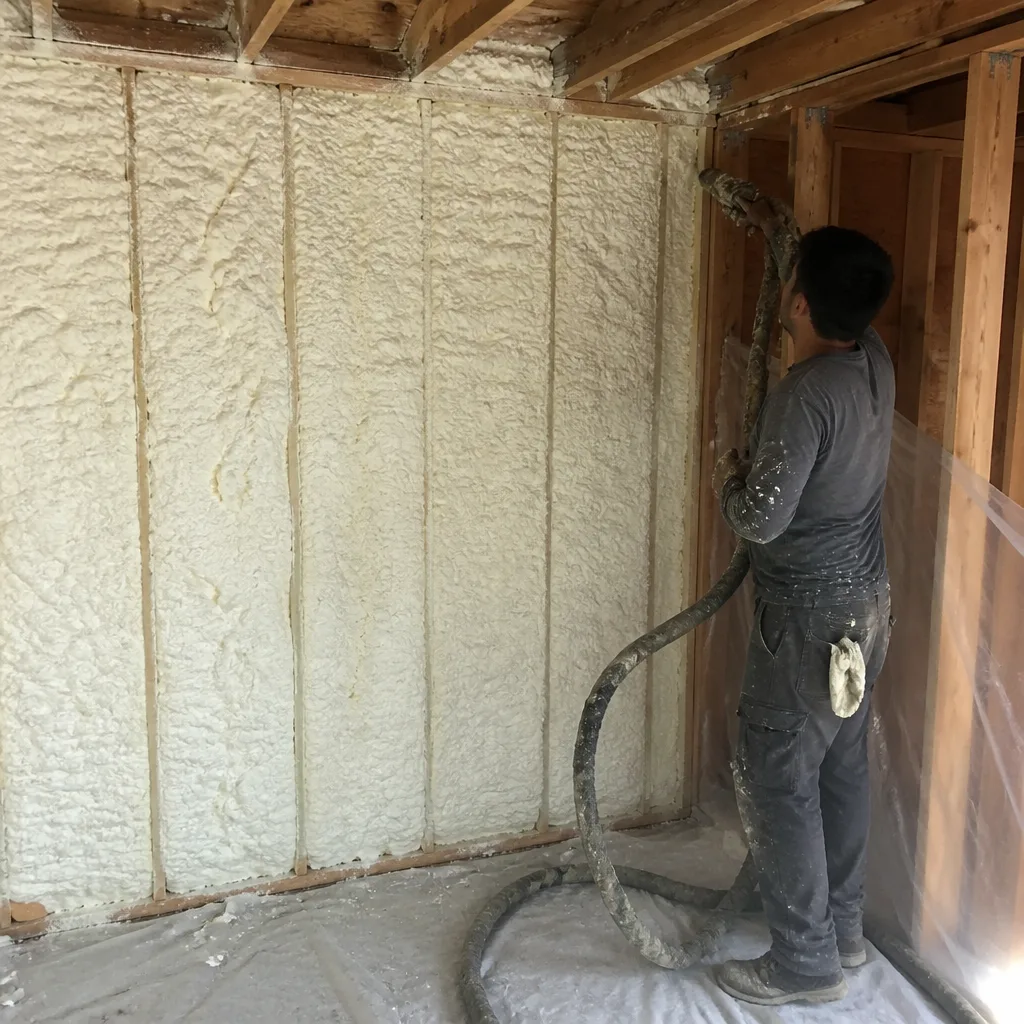 After
AfterReplacement Cost & What’s Included
Complete Johns Manville-compatible encapsulation in Lake Forest runs $3,800-$7,200 installed, with the range driven by crawl space square footage, whether we need to remove and dispose of failed existing material, and whether a dehumidifier or sump pump is required. A straightforward re-barrier of a 1,200-square-foot crawl with intact perimeter sealing typically lands near the lower end; a full removal, new 20-mil reinforced barrier, sealed perimeter, new mechanical fasteners, and a 70-pint dehumidifier with condensate pump pushes toward the higher end.
Every job includes: written scope and flat price before work starts (Haven Standard Clause 1), removal and disposal of existing failed material, installation of new reinforced polyethylene with proper overlap and mechanical fastening, sealed seams with scrim-compatible tape, sealed penetrations, and a Documented Photo Record of the completed work. We do not start until you have the written price in hand.
DIY or Call Us?
There’s no high-tension danger in crawl space encapsulation the way there is with garage door springs or gas lines, but there are genuine hazards: limited egress, possible asbestos in older duct insulation, black mold exposure, and electrical shock risk from junction boxes in damp conditions. What a homeowner can safely check is the perimeter - look for gaps where the barrier meets the wall, or pooling water that suggests a drainage problem beyond what tape can fix.
Where DIY goes wrong is the prep. Cleaning and leveling the soil base, assessing whether the foundation vents need sealing versus mechanical ventilation, and knowing whether your dehumidifier is properly sized for the volume - these are not intuitive. We’ve been called to Lake Forest homes where a homeowner laid new barrier over wet soil, trapping moisture and accelerating joist rot. Seal the bypasses first. Then insulate. The R-value on the bag means nothing if the air has somewhere else to go. For assessment and a written price before any work starts, call (657) 279-1249.
FAQs
Properly installed reinforced polyethylene barrier lasts 15-20 years in Lake Forest’s climate, though the seam tape may need inspection at year 10 due to thermal cycling. The barrier itself degrades from UV exposure if your crawl space has light penetration, which is why we check for foundation vent screening and daylight gaps during assessment. Call (657) 279-1249 for an inspection - estimates are free.
Small punctures or tears under 6 inches can be patched with compatible pressure-sensitive tape if the surrounding material is clean and the scrim is intact. Multiple seam failures, widespread delamination, or barrier older than 12 years means replacement is more cost-effective than chasing individual repairs. We carry patch materials on every truck and will show you both options with a written price for each.
Most residential crawl spaces in Lake Forest take one to two days: half a day for removal and surface prep, half a day to a full day for installation and sealing, plus time for any dehumidifier or drainage work. We do not rush the curing time for seam adhesive, which is why we schedule accordingly. You’ll get a start and completion date in writing before anyone arrives.
We carry Johns Manville-compatible reinforced polyethylene in 12-mil and 20-mil, scrim-rated seam tape, mechanical fasteners, and termination bars on every vehicle, along with Reflectix alternatives for same-day cross-matching if your spec requires it. We are an independent service provider with no affiliation to Johns Manville - we source what performs, not what carries a particular logo.
Written by Wes Okafor, Owner, Topside Attic Insulation Lake Forest at Topside Attic Insulation Lake Forest, serving Lake Forest and nearby areas.