
Icynene Radiant Barrier Installation: The Lake Forest Owner’s Guide
Most Icynene radiant barrier installations in Lake Forest run between $2,800 and $4,600 for a typical 1,800-2,400 square foot attic, and we stock the barrier material and compatible fasteners on every truck for same-day or next-morning starts. We install Icynene-compatible radiant barriers as part of full attic envelope upgrades, not as standalone membrane tacked over unsealed decking. Homeowners usually figure out something’s off when their upstairs rooms won’t cool below 78°F even after the AC runs all afternoon, or when their summer electric bill jumps 30-40% against the same month last year.
Which Icynene Models This Applies To
Icynene doesn’t manufacture a standalone radiant barrier product. The brand’s open-cell and closed-cell spray foam systems (LD-C-50, MD-R-200, and the H2Foam Lite series) are often paired with radiant barrier sheathing or foil-faced polyiso during new construction or deep energy retrofits. What we’re installing is the radiant barrier assembly, properly integrated with your existing Icynene foam layer.
Here’s how to know what you’ve got: check the spray foam surface for the Icynene lot tag, a white adhesive label with a 10-digit batch code and the product density in PCF (pounds per cubic foot). LD-C-50 reads 0.5 PCF; MD-R-200 reads 2.0 PCF. The barrier itself may be foil-faced OSB (TechShield or similar), a roll-out perforated foil, or a double-sided reflective insulation like Reflectix. We stock all three configurations and the 1-inch cap nails with bonded washers that won’t tear the foil face during Lake Forest’s Santa Ana wind cycles.
OEM barrier sheathing from the builder runs 15-20% higher than quality aftermarket equivalents from Johns Manville or CertainTeed, and the performance difference in a vented Lake Forest attic is negligible if the installation detail is correct. We source from both channels and will show you the product data sheets side by side before you decide.
Signs Your Icynene Radiant Barrier Installation Is Failing
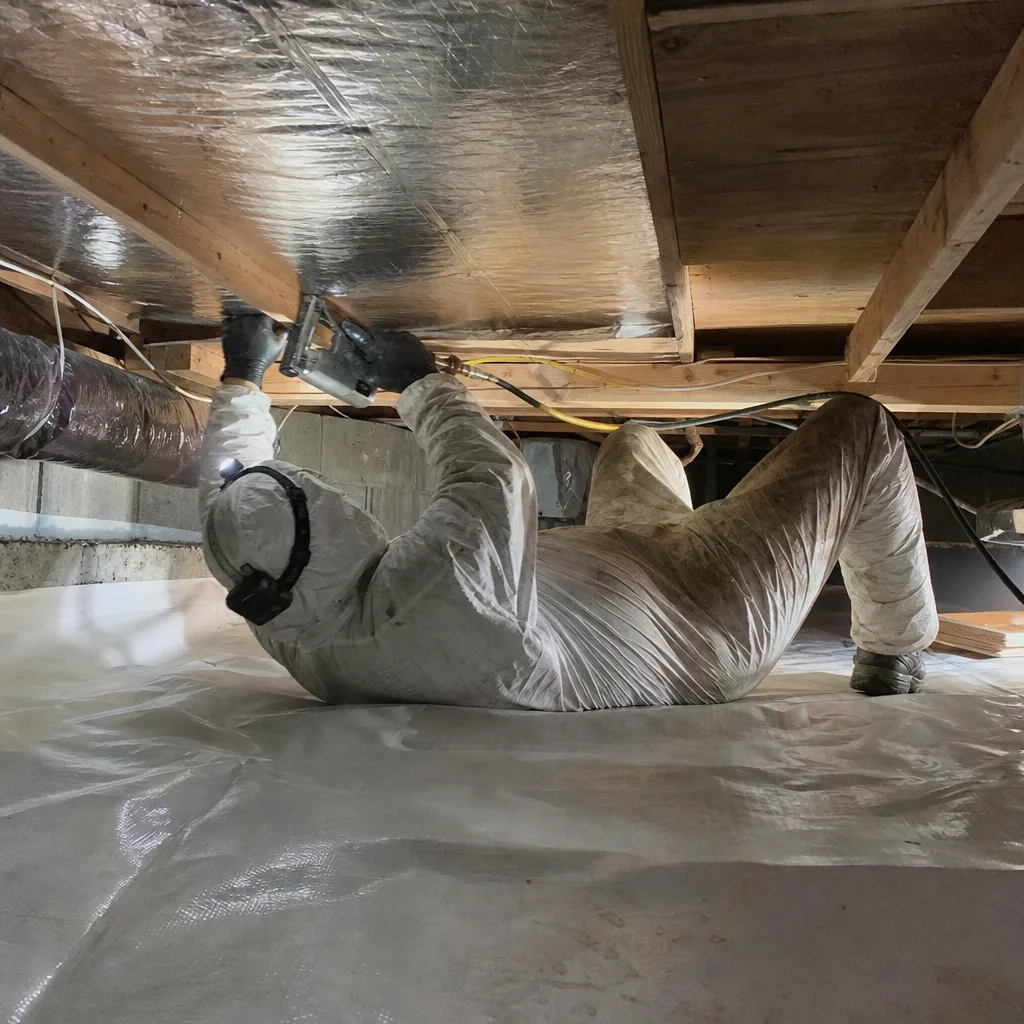
- Hot ceiling patches in mid-afternoon. The barrier has detached from the rafters or the foil face has oxidized, losing its reflectivity. In Lake Forest’s inland heat, detached sections often pool near the ridge vent where summer temperatures hit 140°F.
- AC runs continuously from 2 PM to sunset. The radiant barrier’s emissivity has degraded above 0.10, meaning it’s absorbing and re-radiating roof heat instead of reflecting it. This is common on south-facing pitches after 8-10 years of UV exposure through gable vents.
- Visible dust accumulation on the foil surface. Dust raises emissivity dramatically; a clean barrier reads 0.03-0.05, but a dusty one can read 0.30 or higher. If you can write your name in the attic dust, the barrier isn’t doing its job.
- Moisture staining on the rafters or foam surface. Improperly installed barriers without perforations trap humidity from the conditioned space below. Icynene open-cell foam is vapor-permeable, but a non-perforated barrier laid directly over it creates a condensation plane.
- Recent pest activity or rodent trails. Squirrels and roof rats in Lake Forest’s eucalyptus-heavy neighborhoods tear barrier material for nesting. The damage is usually localized near entry points, but the thermal bypass is enough to spike cooling loads.
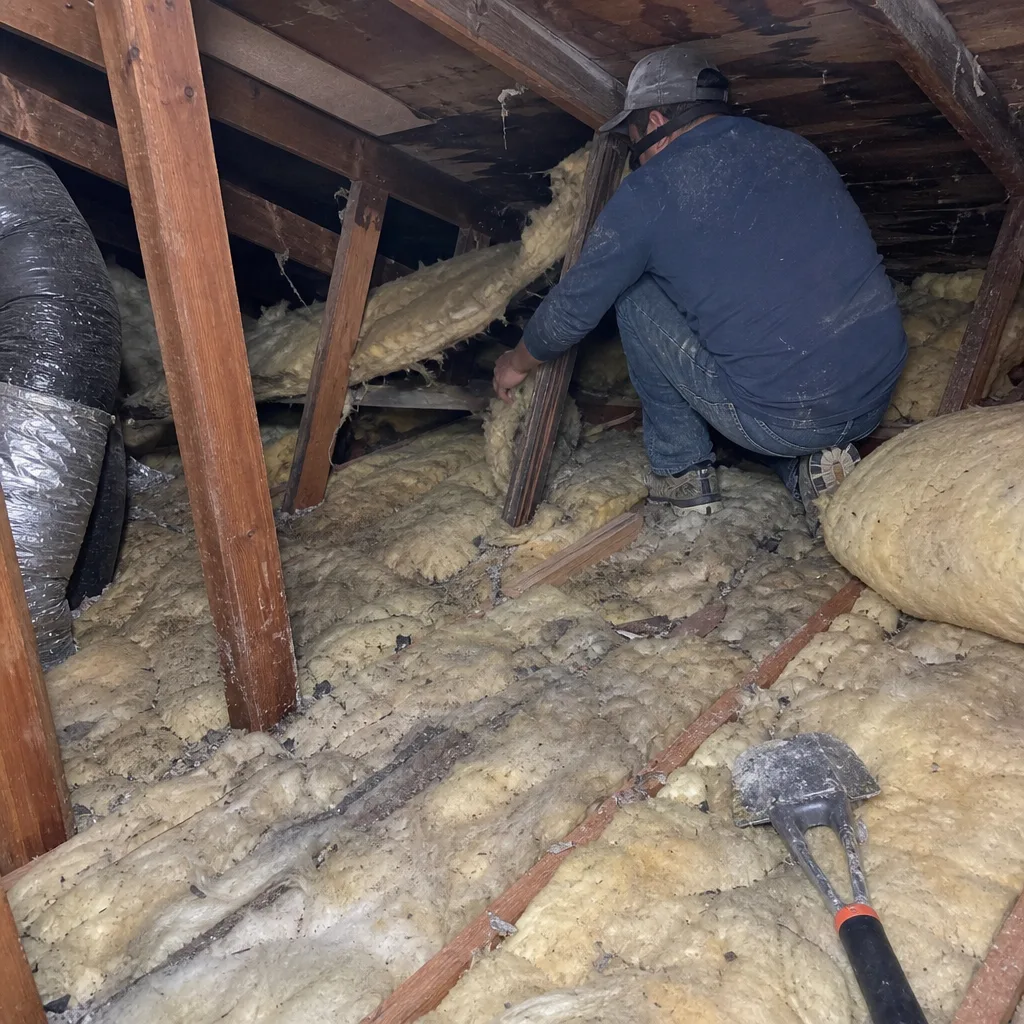 Before
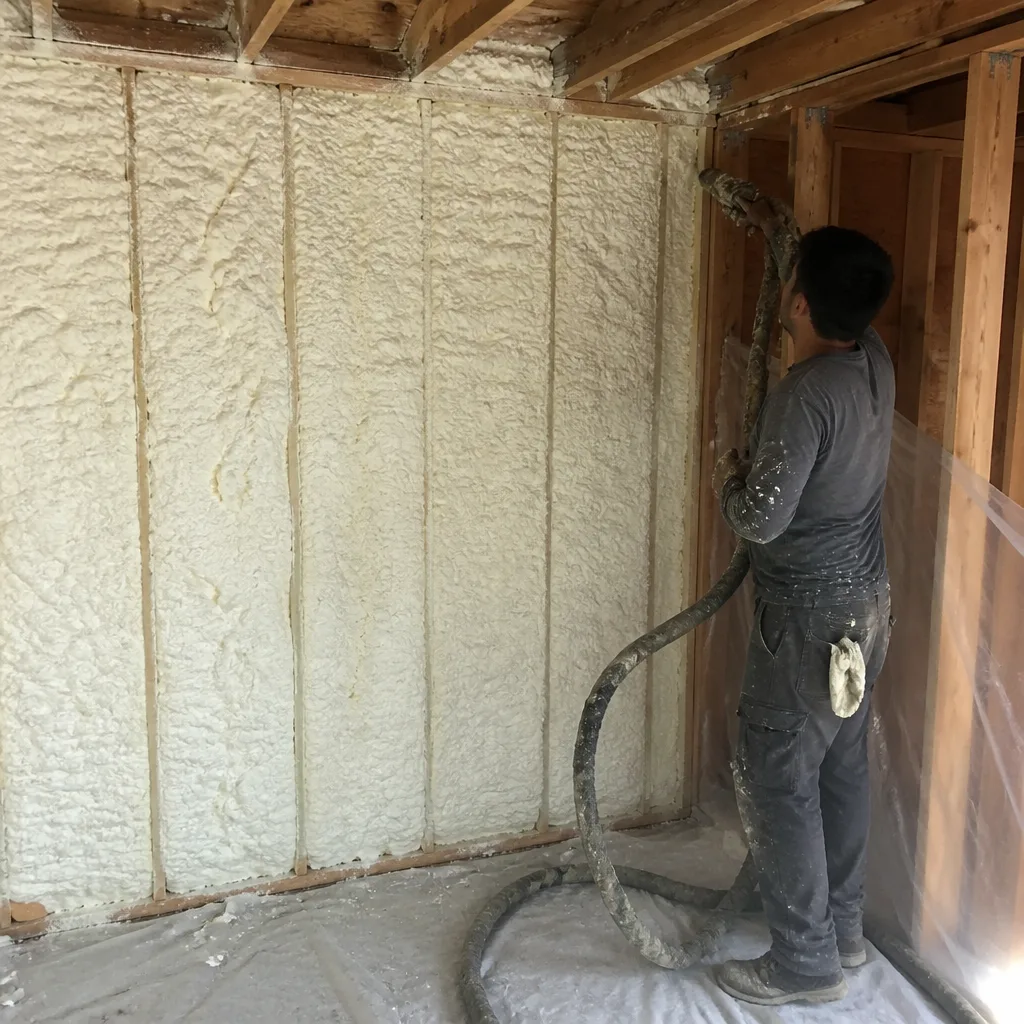 After
AfterReplacement Cost & What’s Included
| Component | Price Range (Lake Forest) |
|---|---|
| Perforated radiant barrier roll, 500 sq ft | $340-$480 |
| Foil-faced polyiso board, 4×8 sheets | $520-$780 |
| Attic air sealing (top plates, penetrations) | $680-$1,200 |
| Labor: barrier removal and replacement | $1,260-$2,140 |
| Typical total installed | $2,800-$4,600 |
What drives the range: attic square footage, current barrier condition (tear-out vs. overlay), accessibility (truss spacing, ductwork in the way), and whether we find unsealed bypasses that need addressing first. Every quote is a flat written price with scope and warranty delivered before anyone starts, per Haven Standard Clause 1. The 365-Day Done Right Promise covers the installation; materials carry the manufacturer’s prorated warranty, which we register for you.
DIY or Call Us?
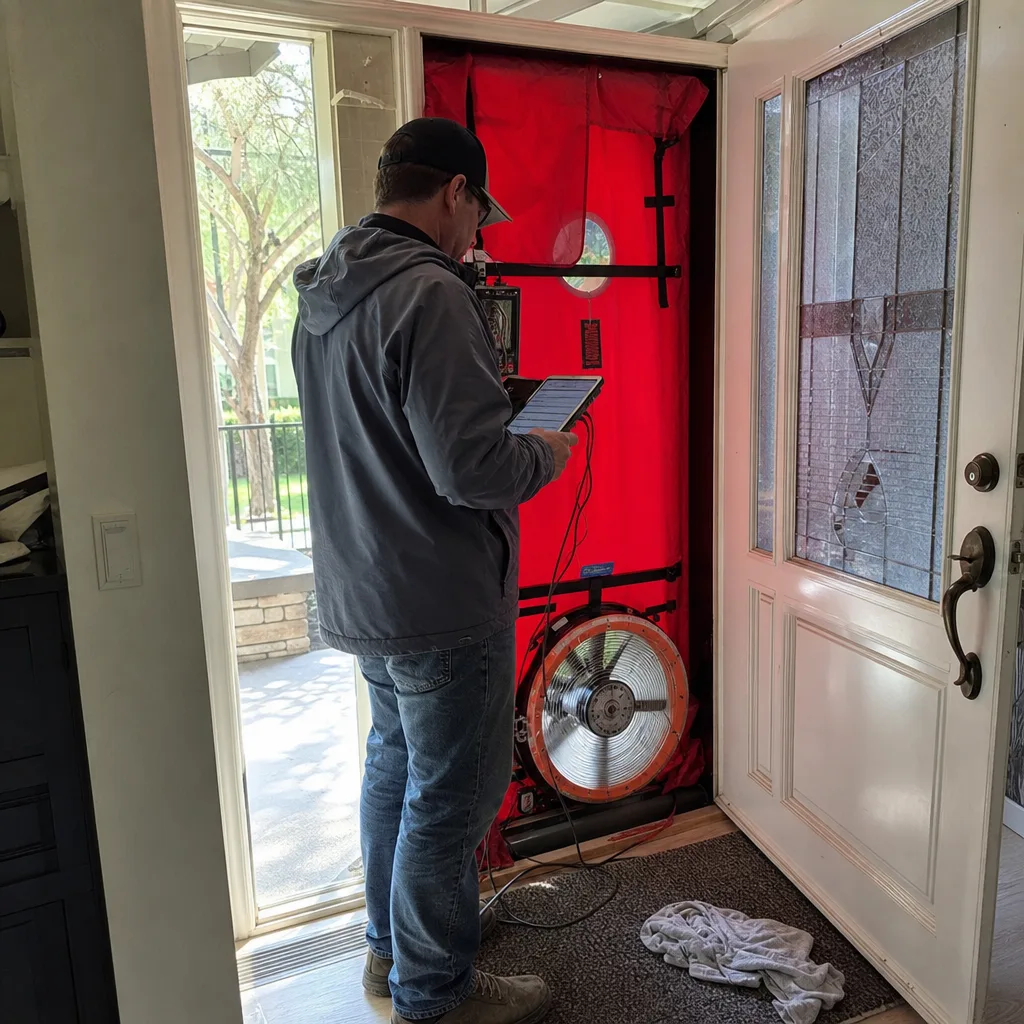
There’s no high-tension danger here, but there are ways to make the problem worse. An owner can safely check for detached sections, dust buildup, or obvious rodent damage from the attic hatch with a flashlight. Don’t walk the decking if you’re not sure it’s rated for the load.
Where DIY goes wrong: laying a non-perforated barrier over Icynene open-cell foam traps moisture and voids the foam warranty. Stapling too loosely lets the material flap and tear; too tight puckers the foil and creates hot spots. And skipping the air sealing, which is what most homeowners do, leaves the bypasses open so the barrier performs like a sunshade on a screen door. Seal the bypasses first. Then insulate. The R-value on the bag means nothing if the air has somewhere else to go. For a written price and a documented photo record of the finished work, call (657) 279-1249.
FAQs
In Lake Forest’s climate, a properly installed perforated radiant barrier lasts 15-20 years before emissivity degradation becomes significant. Non-perforated barriers in vented attics often fail sooner due to moisture cycling. Call (657) 279-1249 for an attic inspection and we’ll measure current reflectivity with an infrared thermometer.
Small tears or detached sections can be re-secured with foil tape and additional fasteners, but this is usually a short-term fix. If the foil face has oxidized or dust has bonded to the surface, replacement is the only way to restore performance. We offer free second opinions on any written estimate you’ve already received.
Most residential attic barrier replacements in Lake Forest take one full day for crews of two, or two days if we’re also air-sealing and adding blown-in insulation. We arrive with the material on the truck and send you a text when the crew is en route.
Yes. We carry perforated foil rolls, foil-faced polyiso, and Reflectix double-sided insulation on every truck, plus the cap nails and washers that won’t tear the membrane during installation. Topside Attic Insulation Lake Forest is an independent service provider, not affiliated with Icynene.
Written by Wes Okafor, Owner, Topside Attic Insulation Lake Forest at Topside Attic Insulation Lake Forest, serving Lake Forest and nearby areas.