
Attic Baffles & Ventilation Prep in Lake Forest, CA
Attic baffles – also called rafter vents or vent chutes – are rigid channels installed at each rafter bay along your eaves to keep soffit air flowing freely up and over the insulation toward your ridge vent. Without them, blown-in or batt insulation blocks that airflow path, trapping heat and moisture in the roof assembly. In Lake Forest, where summers push attic temps past 150°F and marine layer moisture rolls in from the coast on a near-daily basis from May through August, a blocked soffit-to-ridge airway isn’t a minor detail – it’s the setup for premature decking failure and mold.
This page covers the specific work we do before any insulation goes in: baffle installation, ventilation balance checks, and the air-sealing steps that have to happen in that order. If you landed here from a broader search, the parent Attic Insulation in Lake Forest page covers the full scope. For a written price before anyone touches your attic, call us at (657) 279-1249.
Topside Attic Insulation Lake Forest has been operating under The Haven Standard since 2016, and one rule has never changed: we seal first, then insulate – never the other way around. Wes Okafor built the company on that sequence because he’d seen too many re-dos caused by insulation blown over open top plates and unvented rafter bays. Every job that includes blown-in Attic Insulation services starts with this prep work, documented with photos before the blower is turned on.
When You Need Attic Baffles & Ventilation Prep
- Your last insulation job didn’t include baffles. Many Lake Forest homes built in the 1980s and 1990s – particularly in the Serrano and Baker Ranch corridors – had blown-in insulation added without baffle installation. If the insulation runs flush to the eave with no clear channel behind it, soffit airflow is likely blocked.
- You’re seeing dark staining or moisture on the underside of roof sheathing. When humid coastal air can’t cycle through the rafter bays, it condenses on the plywood. In Lake Forest’s climate, that shows up as dark streaking or early OSB delamination – both signs that your ventilation path is compromised.
- Your upstairs rooms run 10°F or more above your thermostat setting on summer afternoons. Blocked rafter vents let radiant heat from the deck transfer directly into the attic floor assembly instead of being evacuated. Residents in the Foothill Ranch area commonly report this problem during July heat events because the west-facing roof planes are particularly exposed.
- You’re about to add insulation and the existing R-value is below R-38. California Energy Code requires R-38 minimum for attic insulation in Climate Zone 10 – which covers Lake Forest. Before topping off, the ventilation path has to be clear or the added depth will make a blocked soffit worse, not better.
- Your attic has a net-free ventilation area imbalance. The standard ratio is 1 sq. ft. of net-free vent area per 150 sq. ft. of attic floor (or 1:300 with a vapor barrier). If your ridge vent square footage and soffit vent square footage are mismatched, mechanical ventilation or supplemental gable vents may be part of the fix – something we assess during the walkthrough.
- You’ve had a rodent intrusion and just completed attic cleaning or rodent proofing. Any work that disturbs the existing insulation or rafter bays – including pest remediation – is a natural trigger for a full ventilation audit before new material goes in.
Our Attic Baffles & Ventilation Prep Process
-
Written Scope and Price Before Entry
Under Haven Standard Clause 1, no technician opens your attic hatch until you have a flat price, a written scope, and a written warranty in hand. That means the quote you receive describes exactly what’s being installed, what brand of baffle material we’re using (we source from Knauf and CertainTeed among others, depending on your rafter bay depth and budget), and what the ventilation target is in net-free area. There are no line items added at the end.
-
Attic Inspection and Ventilation Audit
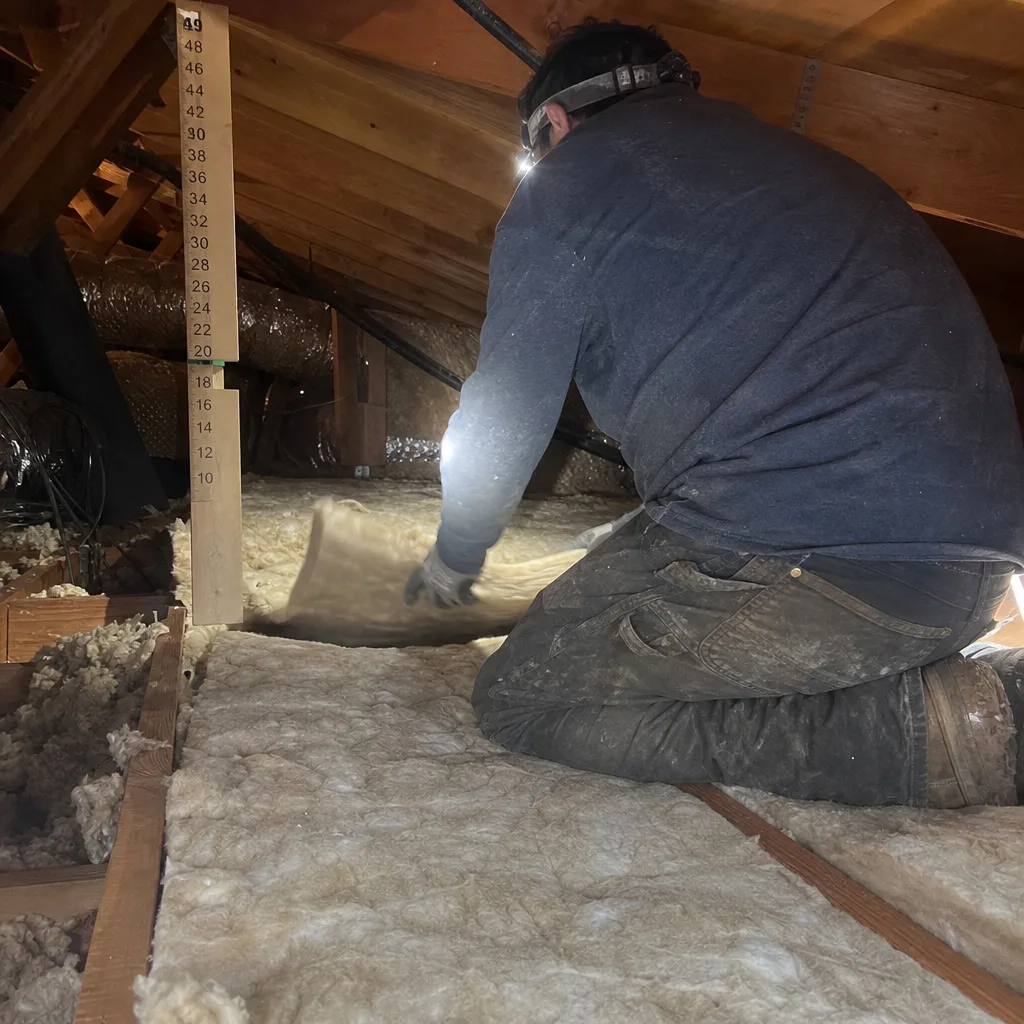
A technician measures your attic floor area, documents existing insulation depth at the eaves and field, photographs every rafter bay along the perimeter, and records soffit vent, gable vent, and ridge vent net-free area. In Lake Forest homes with hip roofs – common throughout the Portola Hills neighborhood – ridge vent length is often limited, so we calculate whether the soffit area is over-ventilating relative to the exhaust, which can actually reverse airflow under certain wind conditions. You get a copy of those measurements.
-
Air Sealing of Top Plates, Can Lights, and Penetrations
Before baffles go in, we seal the attic floor – every top plate gap, recessed light housing, plumbing stack penetration, and HVAC chase. This is where most homes lose the most conditioned air. We use two-component spray foam for larger gaps and high-temp caulk or intumescent materials around fire-rated assemblies. Where applicable, we run a blower-door test – a pressurization measurement that shows, in a single figure, how much conditioned air the building envelope was losing – before and after sealing, and we publish both numbers on the job record. Air sealing is a prerequisite, not an upsell; we will not blow insulation over an unsealed attic floor.
-
Baffle Installation at Each Rafter Bay
We install a rigid baffle – typically a formed cardboard or plastic vent chute depending on rafter spacing and moisture exposure – at every rafter bay from the top plate out to the soffit opening. In older Lake Forest homes where rafter spacing is irregular (24-inch on-center framing was common in tracts built before 1990), we cut baffles to fit rather than forcing a standard size. Each baffle is stapled and taped at the edges to prevent insulation from migrating around it. The minimum clear channel maintained is 1 inch of airspace between the top of the future Attic Batt Insulation and the underside of the roof sheathing – though we target 2 inches where headroom allows.
-
Ventilation Balance Verification
After baffles are in place, we verify that the soffit-to-ridge airway is open end-to-end before any insulation enters the picture. That means a physical check at the ridge vent cap and a light test from the soffit to confirm no blockages remain in the channel. If net-free ventilation area is still deficient after baffles, we discuss adding soffit vent inserts or an inline attic fan – with pricing written before any additional work begins.
-
Documented Photo Record and Sign-Off
Every step above is photographed. The completed record – pre-work condition, baffle installation, any air sealing, and post-prep ventilation check – is included with the job documentation when we leave. This isn’t available on request; it’s part of the standard deliverable on every visit. If insulation is being blown in the same day, that photo sequence continues through completion. You see what the attic looked like before, what changed, and what it looks like now.
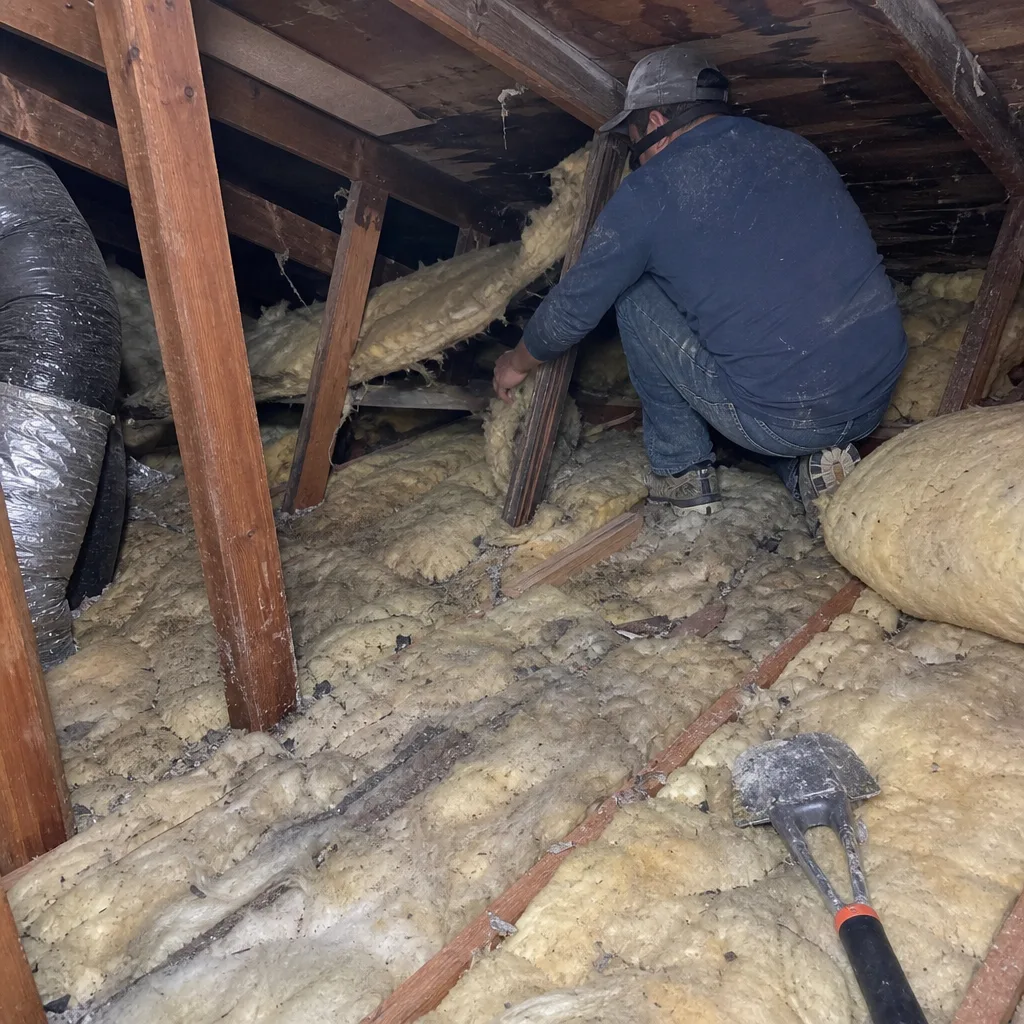 Before
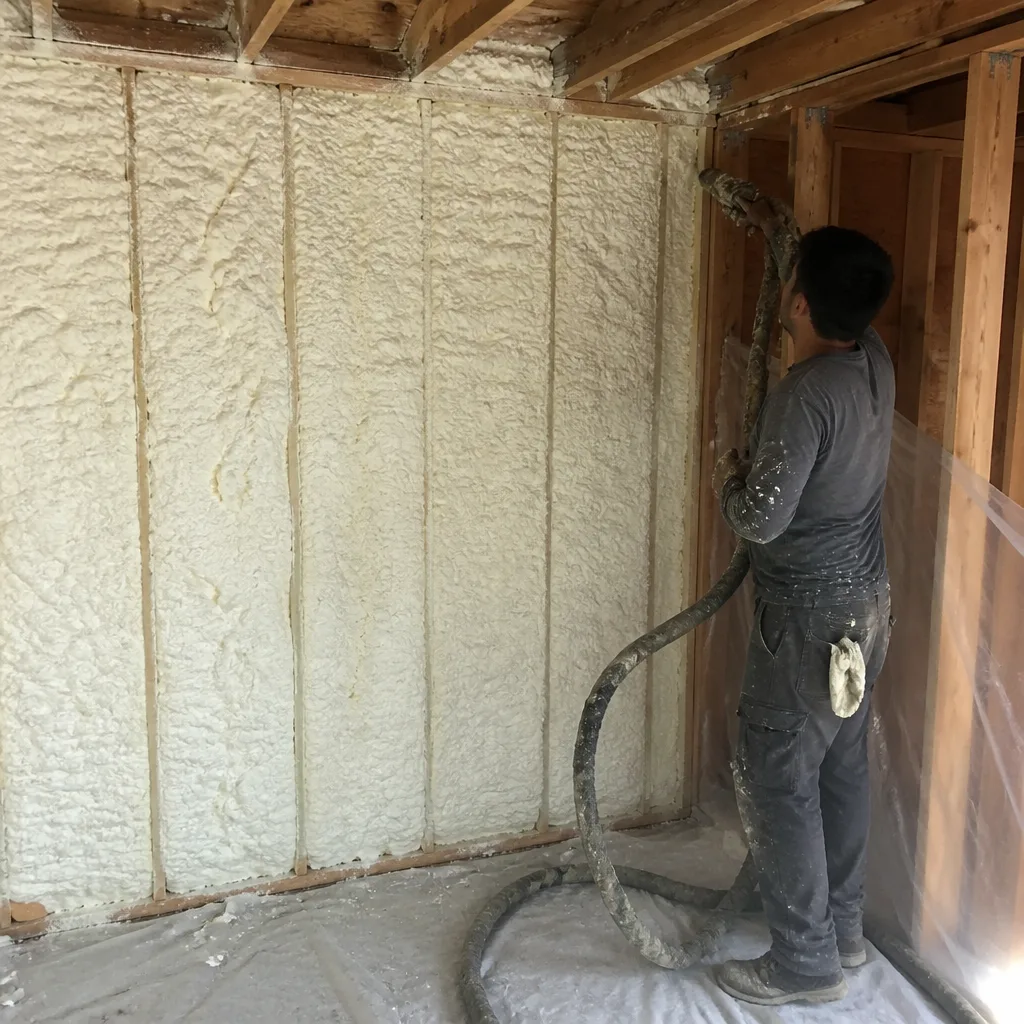 After
AfterAttic Baffles & Ventilation Prep Pricing in Lake Forest
Most attic baffle and ventilation prep jobs in Lake Forest run between $350 and $950 as a standalone service, depending on attic square footage, the number of rafter bays that need baffles, and how much air sealing is required before baffles go in. For a full breakdown of pricing, see How Much Does Attic Insulation Cost? (2026 Price Guide) - Lake Forest, CA. When this work is bundled with a full blown-in insulation job, the prep cost is typically folded into the overall project price.
| Scope | Typical Range (Lake Forest) |
|---|---|
| Baffle installation only (1,000 sq. ft. attic, standard tract home) | $350 – $550 |
| Baffle installation + basic air sealing (top plates, a handful of can lights) | $550 – $850 |
| Full ventilation prep including extensive air sealing, can light domes, HVAC chase sealing | $750 – $1,400+ |
| Prep work bundled with blown-in insulation to R-38 (1,000-1,500 sq. ft. attic) | $1,200 – $2,600 total |
What affects where your job lands in those ranges: the number of rafter bays (a hip roof has more perimeter per square foot than a gable roof), whether existing insulation has to be pulled back from the eaves before baffles can be placed, the condition of existing soffit vents (blocked vents sometimes require exterior work to clear), and how much air sealing is needed based on the home’s age and construction type. Homes built in the Aliso Viejo-adjacent streets of Lake Forest before 1995 often have more penetrations than post-2000 construction, which adds sealing time.
Under Haven Standard Clause 1, you receive a flat written price before any work begins. No line items are added on-site. Call (657) 279-1249 to schedule a written estimate for Attic Insulation Near Me in Lake Forest, CA – there is no charge for the quote, and if you have a competing written estimate, we’ll read it with you as part of a free second opinion.
FAQs – Attic Baffles & Ventilation Prep
What exactly is an attic baffle and why does Lake Forest’s climate make it more important?
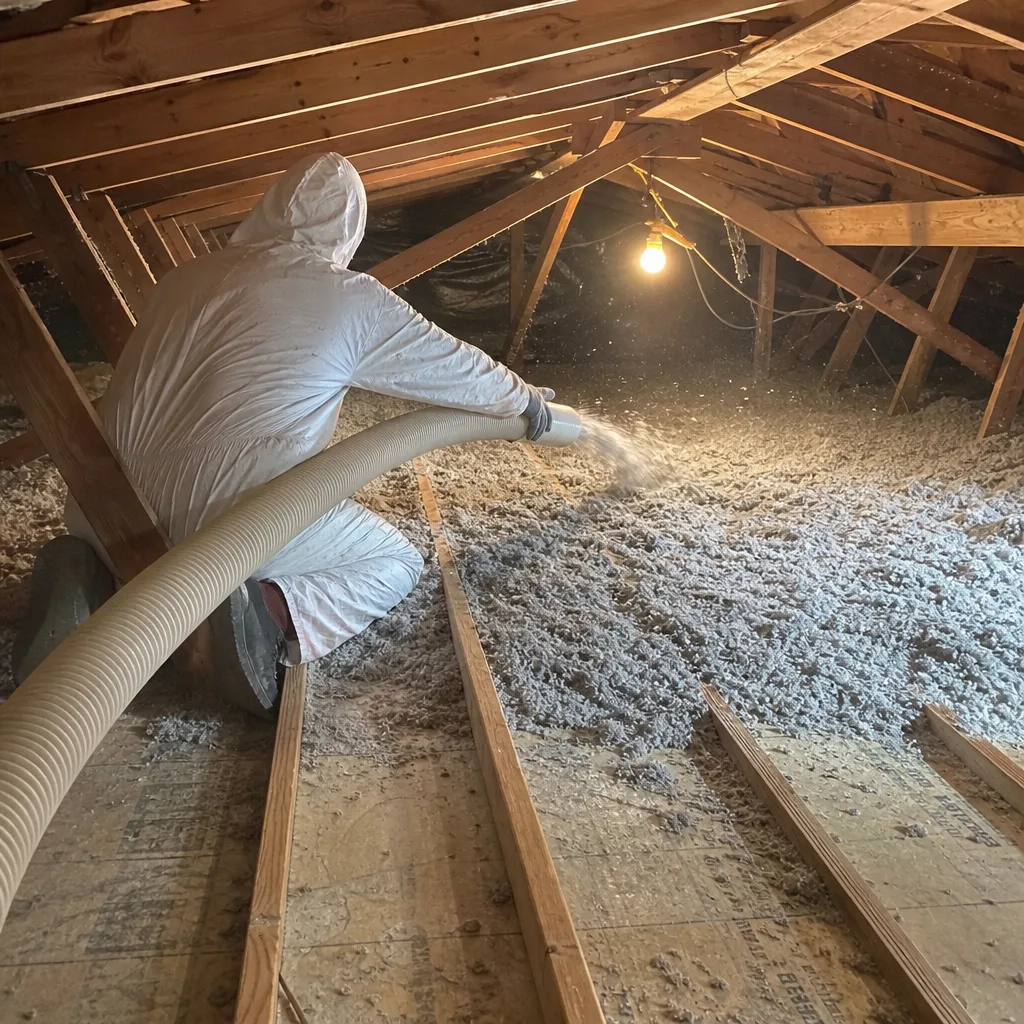
An attic baffle – also called a rafter vent or vent chute – is a rigid channel that runs from your soffit opening up along the underside of your roof sheathing to maintain a clear airway for fresh outside air to travel through the rafter bay and exit at the ridge. In Lake Forest specifically, the combination of intense solar gain from June through September (attic deck temps regularly reach 155-160°F in south-facing bays) and overnight marine layer humidity from the Pacific creates a thermal and moisture cycle that puts unusual stress on attic assemblies. Without baffles, blown-in insulation plugs that airway, heat and moisture accumulate in the roof sheathing, and decking degrades faster than it would in a drier inland climate. Baffles are not optional prep – they’re what makes the insulation above them perform correctly over time.
Can’t the insulation contractor just skip baffles if I already have soffit vents?
Having soffit vents and having functional soffit-to-ridge airflow are two different things. A soffit vent that opens into a rafter bay packed solid with insulation delivers zero net-free ventilation area – the air has nowhere to go. We’ve walked attics in the Foothill Ranch area where every soffit vent was intact and every rafter bay was completely blocked from a previous insulation job, and the ventilation ratio was effectively zero. The vent itself is only part of the system; the clear channel through the bay is the other. At Envelope Insulation Co., we will not install blown-in insulation without verifying that channel is open, because doing so would mean the insulation we install performs below what it should and potentially causes the moisture damage it’s supposed to prevent.
How long does ventilation prep take, and will you do the insulation the same day?
For a typical Lake Forest single-story tract home with a 1,200 square foot attic, baffle installation and air sealing takes two to four hours, depending on the number of penetrations and whether any existing insulation has to be moved back from the eave line. On most jobs where the scope is clear, we do complete the blown-in insulation the same day – the crew moves through the prep, photographs it, then sets up the blower for insulation without a return visit. Larger two-story homes or those with significant air sealing work may require a second day. The written scope you receive before work begins will specify whether it’s a one-day or two-day job, so there’s no ambiguity.
Does California’s Title 24 or any local Lake Forest permit requirement apply to this work?
In most cases, adding or replacing attic insulation and installing rafter baffles in an existing home in Lake Forest does not require a building permit, but the work still has to meet California Energy Code standards for Climate Zone 10 – including the R-38 minimum and the 1:150 ventilation ratio (or 1:300 with a qualifying vapor barrier). If your project involves any electrical work near recessed lights, structural modifications, or is part of a larger renovation with a permit already pulled, the insulation scope may fall under plan check. We flag this during the walkthrough if it applies to your home. The written price and scope you receive from us reflects code-compliant work – we don’t quote below code and then charge more to meet it on-site.
Why This Step Comes Before Everything Else
There’s a reason the full home energy system – walls, crawl spaces, spray foam, all of it – starts with the attic envelope, and within the attic, starts with ventilation prep and air sealing before insulation. Insulation slows the transfer of heat through a material. It does not stop conditioned air from moving through gaps. If top plates, plumbing penetrations, and recessed light housings are open to the unconditioned attic, blowing in additional insulation depth adds R-value to the floor but does nothing about the air exchanging through those holes. The blower-door readings we take before and after air sealing make this visible in a single number – a before of 3,800 CFM50 and an after of 2,200 CFM50, for example, is a 42% reduction in envelope leakage that no amount of added insulation alone would achieve.
Wes Okafor has run this sequence – seal, then insulate – on more than 9,000 homes since 2016. The documentation from those jobs (blower-door readings, photo records, written scopes) is what the 365-Day Done Right Promise is built on. If the work isn’t right, we make it right. That’s written into the warranty you receive before the crew arrives, not offered verbally after something goes wrong.
If you’re researching this because you’re already comparing quotes, bring any written estimate you’ve received and we’ll read it with you at no charge. Under the Haven Standard, that’s a standing offer – a free second opinion on any written quote, so you can see exactly what’s included and what isn’t before you decide.
For a written price on attic baffles, ventilation prep, or the full Attic Insulation in Lake Forest project, call (657) 279-1249. A live person answers, not a voicemail – and the estimate is free.
Written by Wes Okafor, Owner at Topside Attic Insulation Lake Forest, serving Lake Forest since 2016.