
Attic Insulation Replacement in Lake Forest, CA
Our Attic Insulation services in Lake Forest typically run between $1,800 and $4,200 for a standard single-story home, depending on square footage, existing insulation depth, and how much air sealing work the attic floor needs before new material goes in. Most jobs are completed in a single day. If your energy bills have been climbing and your attic hasn’t been touched since the home was built, replacement is almost certainly worth the cost.
At Topside Attic Insulation Lake Forest, we don’t blow new material over old. That’s the short version of what separates us from a lot of contractors working in South Orange County. The longer version: before any insulation goes in, we air-seal every top plate, can light, and penetration on the attic floor – then we measure the result with a blower-door test. You get the before number and the after number in writing, so the performance change you paid for isn’t something you have to take on faith.
We’ve operated under The Haven Standard since 2016, and in that time we’ve sealed and insulated more than 9,000 homes. Every one of them got a written price before a single tool was lifted, and a documented photo record when we left. If you’d like to understand the full scope of what we offer – from blown-in material to radiant barrier to air sealing – our Attic Insulation in Lake Forest page covers the whole picture. Or call us directly at (657) 279-1249 – a live person picks up, every time.
When You Need Attic Insulation Replacement
Not every attic needs full replacement. Some homes only need a Attic Insulation Top-Up. But in Lake Forest, we see a consistent pattern: homes built in the 1980s and 1990s in Portola Hills, Foothill Ranch, and the older sections of the Baker Ranch corridor frequently have insulation that’s been compressed, contaminated, or simply aged past its useful depth. Here are the situations where replacement – not addition – is the right call:
- Compressed or settled insulation below R-19. Blown fiberglass and cellulose both settle over time. If your existing material measures less than about six inches and was never thick enough to begin with, you’re likely sitting at R-13 or lower – well under California’s Title 24 requirement of R-38 for attics in Climate Zone 8, which covers Lake Forest. Topping up compressed material adds R-value on paper but doesn’t fix the air-sealing gaps underneath.
- Rodent activity or soiling. Lake Forest sits at the edge of the foothills; roof rats and mice are a regular problem in neighborhoods backing up to Whiting Ranch and the Aliso-Wood Canyons Wilderness. Once insulation has been nested in, burrowed through, or contaminated with droppings, it needs to come out entirely before anything else happens.
- Water intrusion or mold growth. A slow roof leak – even one that self-sealed – can leave insulation damp for months. Wet insulation loses R-value and can harbor mold at the attic floor. We see this regularly after the wet winters that periodically push through the Saddleback Valley.
- Old vermiculite or non-standard legacy materials. Some homes in the older Portola Hills tracts have attic materials that predate modern standards. Vermiculite insulation in particular may contain asbestiform minerals and requires professional testing and abatement before any work begins – not a DIY situation.
- Post-renovation contamination. A remodel that opened the ceiling – even briefly – can push drywall dust, construction debris, and air-barrier disruptions into the attic plane. If insulation was present during heavy demo work, it’s often faster and cleaner to remove and start fresh than to document what’s still intact.
- Energy bills that don’t match the square footage. If a 1,900-square-foot single-story in Foothill Ranch is running $280 or more per month in summer cooling costs, the attic is almost always part of the answer. Degraded insulation and unaddressed can-light bypasses are the two most common culprits we find on energy audit visits.
Our Attic Insulation Replacement Process
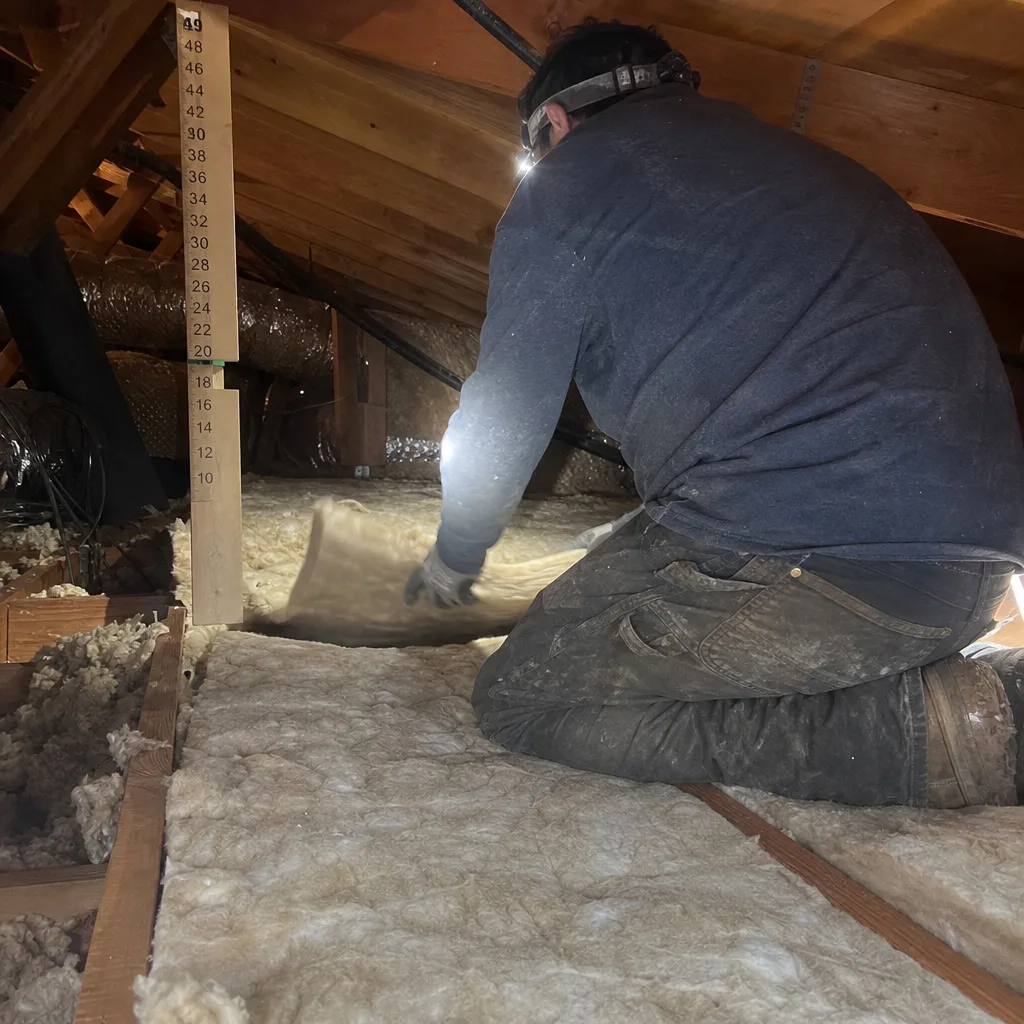
The sequence matters. Blown-In Attic Insulation added before air sealing is done is insulation that’s doing half its job. Here’s exactly how a replacement job runs at Topside Attic Insulation Lake Forest:
- Written scope and price before anything starts. Under Haven Standard Clause 1, you receive a flat written price and a written scope before we schedule the crew. No verbal estimates, no “we’ll know more once we’re up there” pricing. If conditions change – say, we find more contamination than the inspection showed – we stop, document what we found, and get your written approval before continuing.
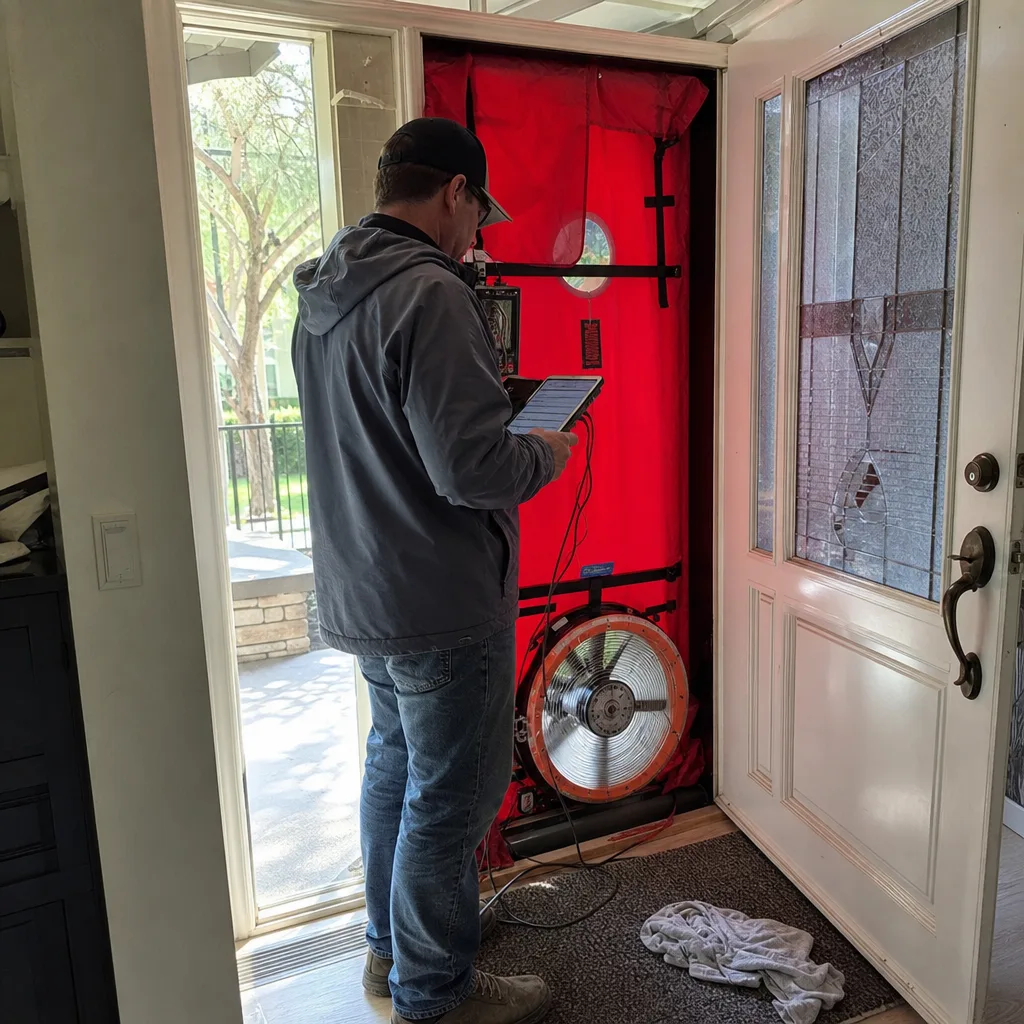
- Pre-job blower-door baseline. We pressurize the home to 50 Pascals – a blower-door test – and record the airflow reading in CFM50 (cubic feet per minute at 50 Pascals). That number tells us, in one figure, how much conditioned air your building envelope is losing. It’s the “before” number you’ll compare against later.
- Complete removal of existing material. We use a high-capacity vacuum system to pull existing insulation out of the attic and into sealed disposal bags outside the living space. HEPA filtration runs continuously during extraction to keep particulates out of the conditioned air below. Documented photo record is captured before, during, and after extraction.
- Attic floor air sealing – the step most contractors skip. With the attic floor cleared, every top plate gap, recessed light housing, plumbing penetration, and electrical chase gets sealed. We use spray foam for irregular gaps and fire-rated caulk or rigid foam board at larger openings. This step is not optional and is never presented as an upsell – it’s part of how insulation is supposed to be installed.
- Post-sealing blower-door confirmation. Before new insulation goes in, we run a second blower-door test. You get that number in writing. In Lake Forest homes we’ve sealed, the typical reduction runs 30% to 55% – the specific figures vary by home age and construction type, but you’ll have your actual numbers, not a range from a brochure.
- New insulation installation to spec. We install blown-in fiberglass or cellulose – from manufacturers including Knauf and CertainTeed – to the depth specified in the written scope. For most Lake Forest attics, that means achieving R-38 minimum, often R-49 in vaulted sections or where the homeowner is targeting a higher performance tier. Depth markers are installed and photographed so you can verify the final depth yourself.
When the crew leaves, you have a documented photo record of every stage, both blower-door readings, and a written warranty. That’s what leaving looks like, and it’s the same on every job.
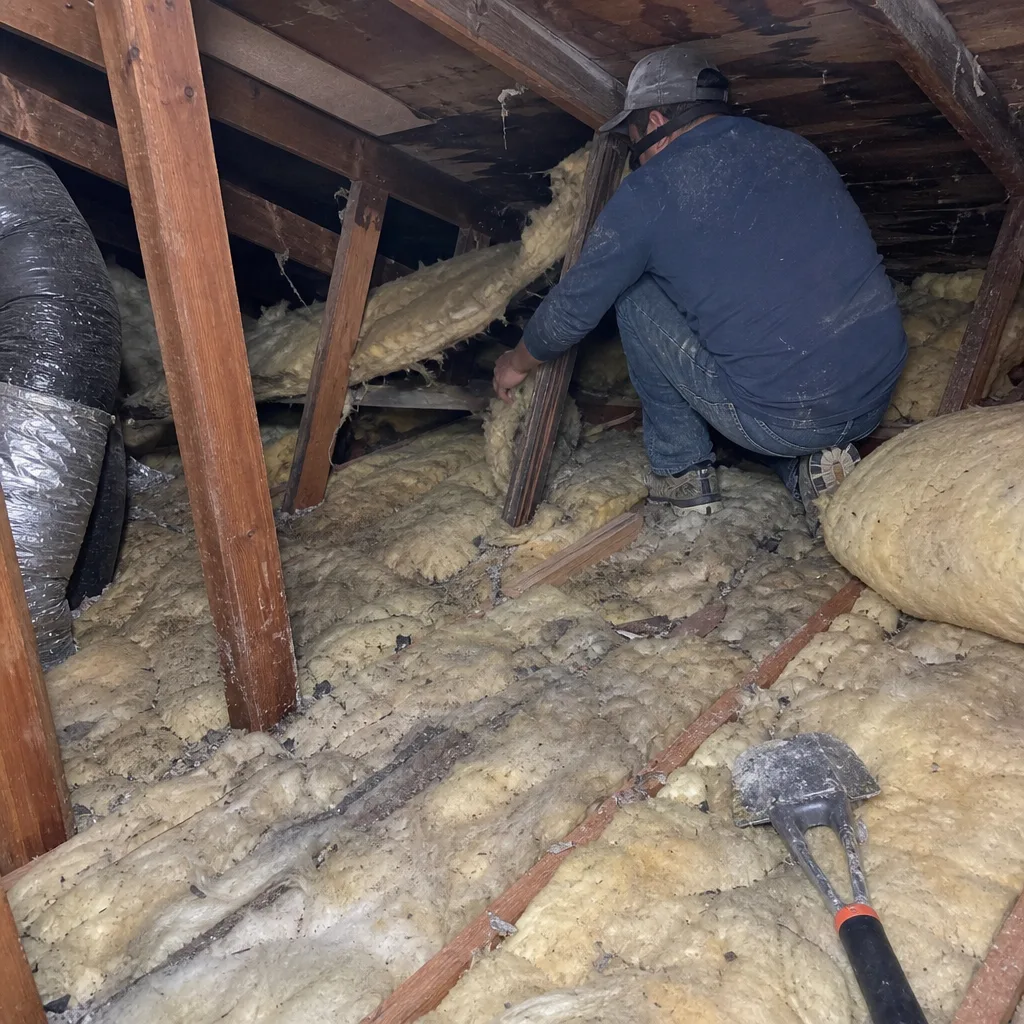 Before
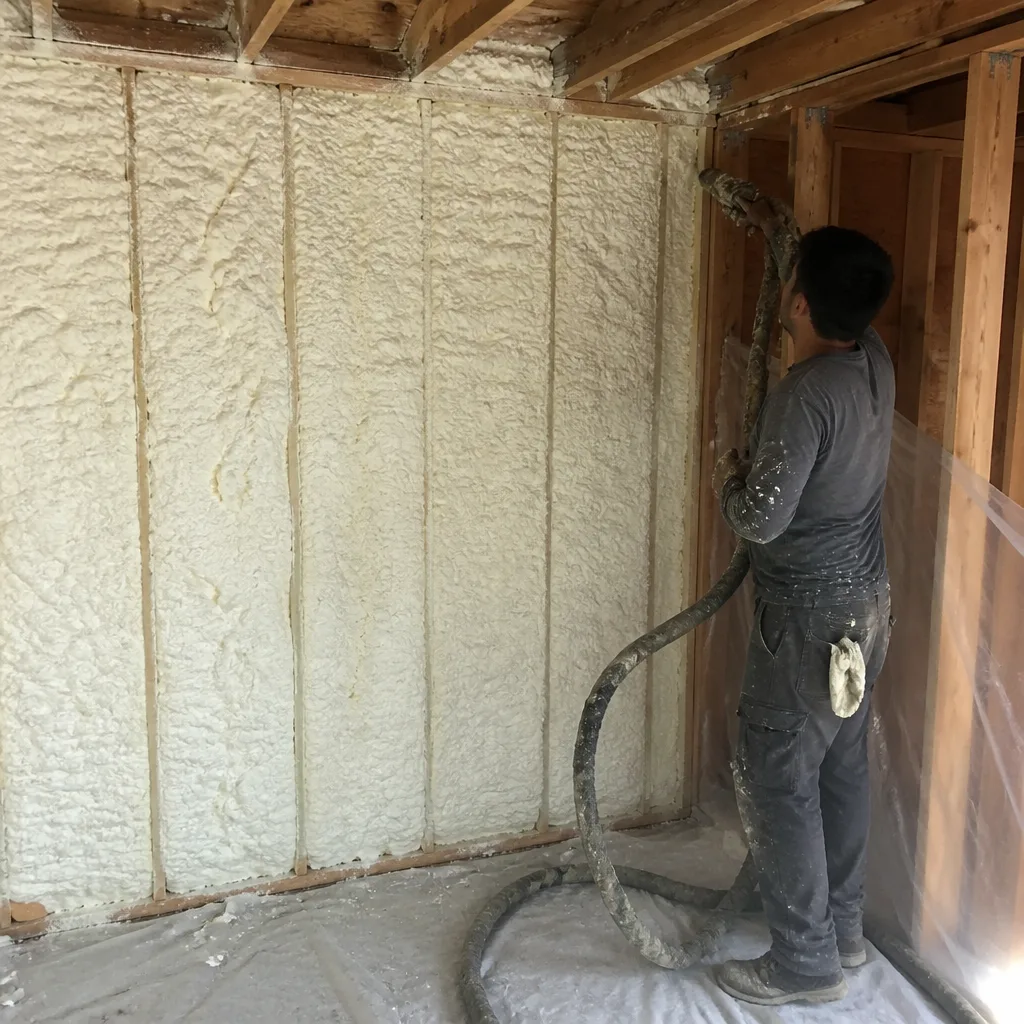 After
AfterAttic Insulation Replacement Pricing in Lake Forest
Most attic insulation replacement jobs in Lake Forest fall between $1,800 and $4,200. The range is wide because the factors that drive cost are genuinely variable – attic square footage, existing insulation type, contamination level, and how much air sealing work the floor needs. Here’s a tighter breakdown:
| Scope | Typical Range |
|---|---|
| Removal only (no replacement), 1,200-1,800 sq ft attic | $700 – $1,100 |
| Removal + air sealing + R-38 blown-in fiberglass, 1,200-1,800 sq ft | $1,800 – $2,600 |
| Removal + air sealing + R-38 blown-in fiberglass, 1,800-2,600 sq ft | $2,500 – $3,600 |
| Removal + air sealing + R-49 blown-in, 2,600+ sq ft or complex attic geometry | $3,400 – $4,200+ |
| Rodent contamination removal (add-on, per degree of severity) | $300 – $900 additional |
| Radiant barrier installation alongside replacement | $600 – $1,200 additional |
A few things that push costs toward the higher end: attics with low clearance or complex hip-roof geometry (common in Foothill Ranch tract homes), significant rodent damage requiring sanitation, and jobs where the existing material is dense-pack cellulose that takes longer to extract than loose-fill fiberglass. Homes in the newer Baker Ranch and Portola Hills developments with spray foam at the roof deck rather than the attic floor are a different scope entirely and warrant a separate conversation.
We don’t do verbal estimates. Under The Haven Standard, you receive a written price before any work starts – that price is flat, not a starting point for negotiation upward once the crew is on the roof. If you have a written estimate from another contractor, we’ll read it with you. That’s the Free Second Opinion offer, and it applies to any written quote you’ve received.
To get your written estimate, call (657) 279-1249. No voicemail loops – a live person will answer and can schedule an inspection, typically within a few business days.
FAQs – Attic Insulation Replacement
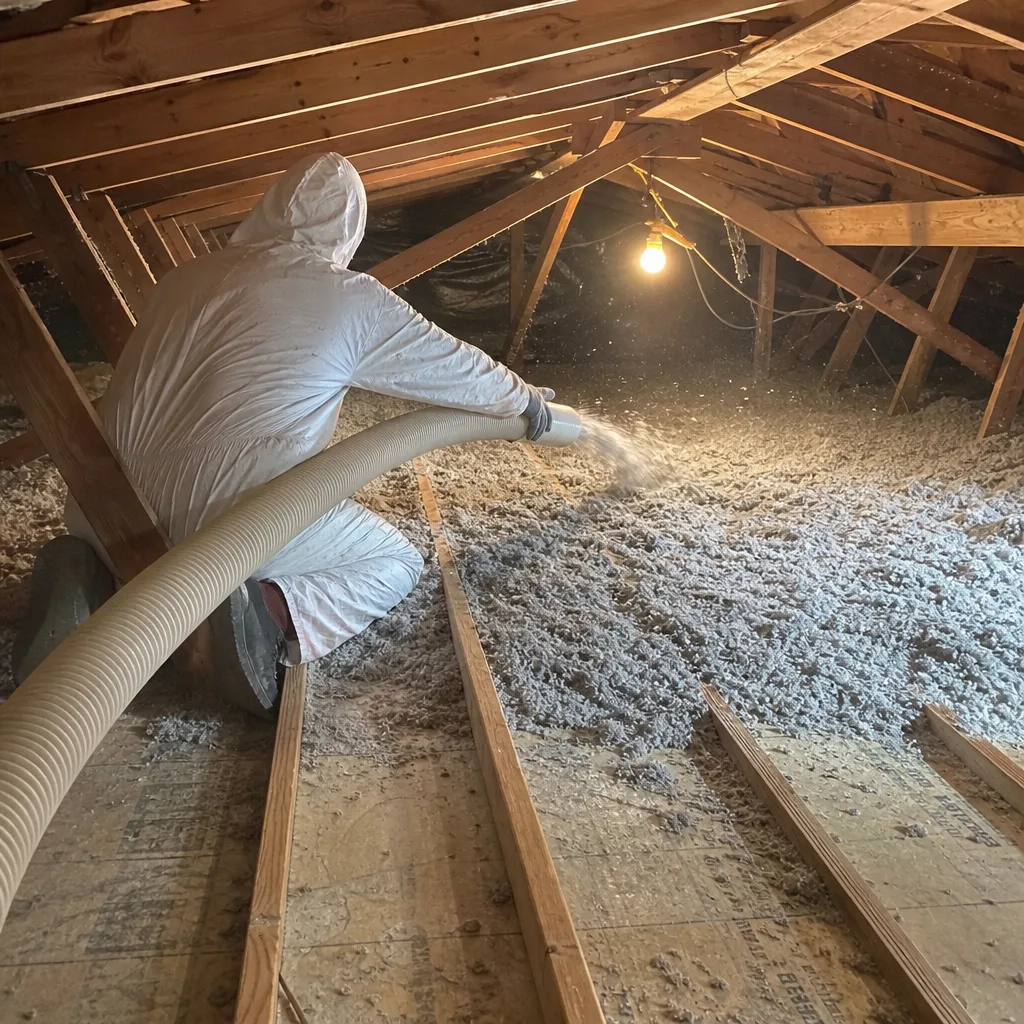
How long does attic insulation replacement take in Lake Forest?
Most single-story Lake Forest homes – roughly 1,200 to 2,200 square feet of attic floor – are completed in one day. The timeline breaks down as: pre-job blower-door test (30-45 minutes), insulation removal (2-4 hours depending on volume and access), Attic Baffles & Ventilation Prep (1-2 hours), post-seal blower-door confirmation (30 minutes), and new insulation installation (1.5-3 hours). Larger homes, or attics with low clearance like some of the older Portola Hills ranches, may require a second day for removal alone. Your written scope will include an estimated timeline before work starts. Call (657) 279-1249 for a no-obligation inspection.
Do I need to replace insulation or can I just add more on top?
Adding insulation on top of existing material is appropriate only when the existing material is clean, dry, uncompressed, and the attic floor is properly air-sealed beneath it. In practice, most attics that haven’t been inspected in 15 or more years have at least one of those conditions unmet. If the existing insulation has been contaminated by rodents, moisture, or construction debris – or if air sealing work needs to happen at the attic floor – the existing material needs to come out first. We assess this during the inspection and give you a written recommendation with the reason documented. We’re not going to tell you that you need replacement if top-up is the honest answer. Our full parent service page on Attic Insulation in Lake Forest outlines the full range of options.
What R-value does an attic need in Lake Forest, CA?
Lake Forest falls within California Climate Zone 8, which means the Title 24 standard for attic insulation on existing homes is R-38 minimum. For new construction or deep-energy-retrofit scopes, R-49 is increasingly the practical target and improves payback on cooling costs given Lake Forest’s summer heat pattern – July and August afternoons regularly push into the mid-90s, and attic temperatures can exceed 140°F at the roof deck. We install to at least R-38 on every replacement job and can quote R-49 if that’s your target; the cost difference is usually $300 to $600 on a typical home. Call (657) 279-1249 for specific numbers tied to your attic dimensions.
What is a blower-door test and why does it matter for insulation replacement?
A blower-door test is a pressurization measurement – a calibrated fan mounts in your front door, depressurizes the home to 50 Pascals, and measures how much air is flowing in to equalize the pressure. That airflow number, reported in CFM50 (cubic feet per minute at 50 Pascals), tells you how leaky your building envelope is. It matters for insulation replacement because adding insulation without first air-sealing the attic floor leaves the biggest infiltration pathways untouched. We run a blower-door test before we start and again after air sealing – before new insulation goes in – so you have two documented numbers showing the actual improvement. In Lake Forest homes we’ve worked on, that mid-job reduction typically runs 30% to 55%, depending on how much bypass work the attic needed. You keep both readings in your job documentation.
Why the Process Order Matters Here
Lake Forest sits at roughly 1,000 feet elevation at the foothills, with a coastal-inland transition climate that creates longer cooling seasons than most of coastal Orange County. That matters for insulation because the combination of summer heat gain through the roof deck and winter temperature swings creates more daily thermal cycling than, say, a home in Dana Point. Insulation that’s marginal performs worse under that cycling stress, and air leaks that are tolerable in a mild maritime climate become genuinely expensive here.
The neighborhoods we work in most frequently – Foothill Ranch, Portola Hills, Baker Ranch, and the older tracts closer to El Toro Road – each have their own construction vintage and typical failure pattern. Foothill Ranch homes from the early 1990s almost always have unaddressed can-light bypasses that account for a significant portion of the home’s total air leakage. Baker Ranch construction from the 2010s is generally tighter, but often has insulation depths that are code-compliant in isolation and still underperform because the air sealing at the attic floor was done inconsistently during original construction. We document what we find in every attic, and that documentation travels with your job file.
Envelope Insulation Co. operates Topside Attic Insulation Lake Forest as an independently owned and operated business, and has since 2016. The materials we install come from manufacturers including Knauf and CertainTeed – no proprietary product lock-in means we specify what fits the job, not what fits a supply arrangement. The 365-Day Done Right Promise backs every completed job: if it’s not done right, we make it right. That promise is written into your scope document before work starts, not offered retroactively.
For the full building-envelope picture – including what we do at home on crawl spaces, walls, and home energy audits – you can explore the rest of our site. Or, if you’re ready to schedule an inspection and get a written price for your Lake Forest attic, call (657) 279-1249 now. A live person will pick up.
Key Takeaways
- Attic insulation replacement in Lake Forest typically costs $1,800 to $4,200 for a standard single-story home, with most jobs completed in one day.
- Air sealing at the attic floor is completed before any new insulation goes in – always, not as an optional add-on.
- You receive before-and-after blower-door readings in writing so the performance improvement is documented, not assumed.
- Every job starts with a written price and ends with a documented photo record – Haven Standard, no exceptions.
- Lake Forest’s Climate Zone 8 classification sets a minimum of R-38 for attic insulation; R-49 is the target for higher-performance retrofits.
- The 365-Day Done Right Promise applies to every completed job.
- Call (657) 279-1249 for a free written estimate – no voicemail, a live person answers.
Written by Wes Okafor, Owner at Topside Attic Insulation Lake Forest, serving Lake Forest since 2016.