
Blown-In Attic Insulation in Lake Forest, CA
Blown-in attic insulation is a process where loose-fill material – cellulose, fiberglass, or mineral wool – is mechanically blown into your attic floor cavity to a specified depth, filling gaps and irregular spaces that batt insulation routinely misses. Most Lake Forest homes built before 2005 are running well below California Title 24’s current R-38 minimum for attic assemblies, which means conditioned air you paid to cool or heat is escaping through the ceiling plane every hour. A properly installed blown-in layer, installed after the attic floor is air-sealed, is the single highest-return thermal upgrade most homeowners in South Orange County can make through our Attic Insulation services.
At Topside Attic Insulation Lake Forest, we’ve been doing this work under The Haven Standard since 2016, and we won’t start the blower until the air sealing is finished. That’s not a selling point – it’s just the correct sequence. You can reach us at (657) 279-1249. We answer live, and we’ll schedule a written-price estimate before any work gets discussed in earnest. For the full picture of what attic insulation involves for Lake Forest homes, our Attic Insulation in Lake Forest page walks through every service we offer under this roof.
When You Need Blown-In Attic Insulation
The following situations are the ones we see most often when we pull the attic hatch in Lake Forest homes. If more than one describes your house, that combination usually points to under-insulated and inadequately sealed attic floor – which blown-in installation addresses directly.
- Your cooling bills spike every June through September. Lake Forest sits inland enough that summer afternoons regularly push into the mid-90s. When attic temperatures climb above 140°F – common in unshaded tile-roof homes in Portola Hills and the neighborhoods east of the 241 – a thin or degraded insulation layer transfers that heat load straight to your living space. We frequently measure existing R-values of R-11 to R-19 in homes that should be at R-38 or higher.
- You have original builder-grade insulation from 1990-2004. The Foothill Ranch and older Portola Hills tracts were built during a period when R-19 was considered adequate. That material is now 20-plus years old, likely settled, and no longer performing at its labeled value. Blown-in cellulose or fiberglass adds depth on top of existing batts without requiring full removal in most cases.
- Certain rooms are noticeably hotter or colder than the thermostat setting. Uneven temperatures room-to-room often trace back to thin spots in attic insulation – places where batts were pushed aside during a cable run, damaged by a past moisture event, or simply never installed at full depth.
- You’re seeing HVAC runtime that seems excessive. If your air conditioner runs for long, unbroken cycles even after a tune-up, insufficient ceiling insulation is a common culprit. We can verify this with a blower-door test before recommending any insulation work.
- There’s evidence of past pest activity in the attic. Rat runs and mouse nesting compress and contaminate existing insulation. In these cases, we pair blown-in installation with attic cleaning and rodent proofing before any new material goes in – adding insulation over contaminated material is a step we won’t take.
- A home inspector or energy auditor flagged insufficient R-value. If you have a written inspection report showing R-value below California’s Title 24 requirements, that’s a clear trigger. We’ll read that report with you and give you a written price before any conversation about scheduling.
Our Blown-In Attic Insulation Process
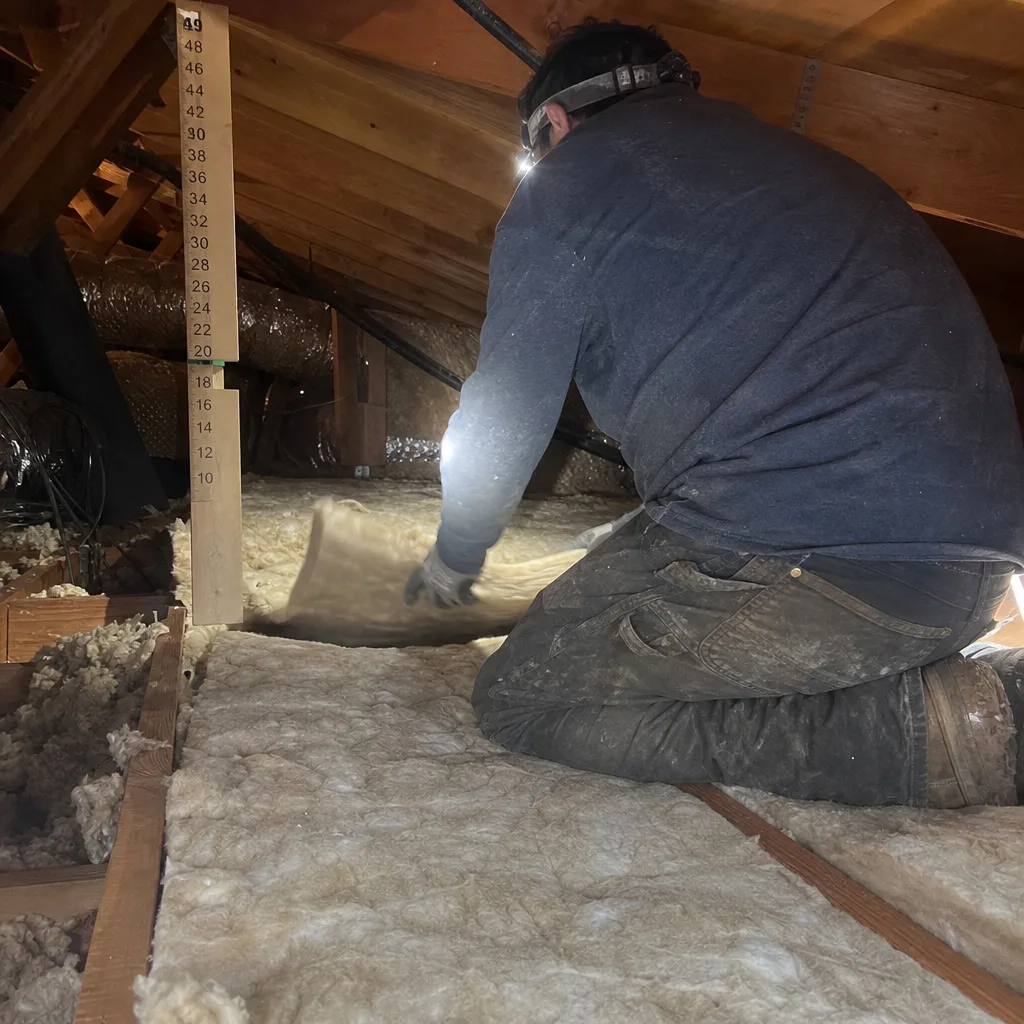
We follow the same sequence on every job. Nothing gets skipped to save time, and the homeowner receives a Documented Photo Record at every stage so there’s no guesswork about what happened up there.
- Pre-work walkthrough and written scope. Before the crew touches anything, Wes Okafor or a lead technician walks the attic with a tape measure, a moisture meter, and a flashlight. We document existing R-value, check for moisture damage, identify HVAC penetrations and recessed-light housings, and note any previous pest activity. The written price and written scope you receive before we start come directly from this walkthrough – not from a general estimate pulled from square footage alone.
- Air sealing – completed before any insulation is added. This is the step most contractors skip or treat as an optional add-on. We seal top plates (the wood framing at the top of interior walls), recessed-light penetrations, plumbing chases, and any HVAC boot connections that are open to the attic floor. We use either two-part spray foam or a fire-rated caulk depending on the penetration type. We won’t blow insulation over an unsealed attic floor – that sequence defeats the thermal purpose of the insulation layer. If you’ve gotten another quote that doesn’t include air sealing, ask them why.
- Blower-door test – baseline reading recorded. On applicable jobs, we run a blower-door test before the insulation goes in. The blower-door measures your home’s air changes per hour at a standardized pressure difference – the resulting CFM50 number tells us, in one figure, how much conditioned air the building envelope was losing. We write that number down. You get a copy.
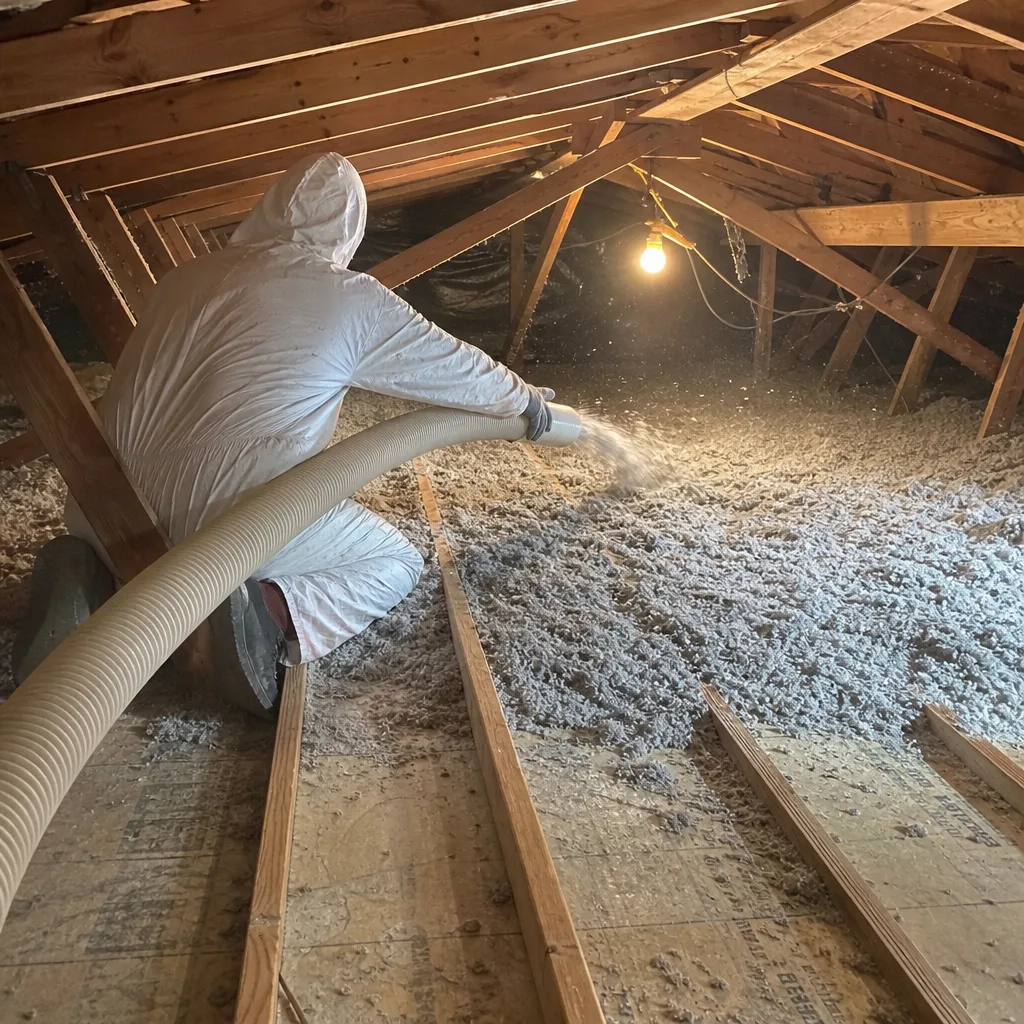
- Blown-in installation to specified depth. We set depth markers (ruler stakes) across the attic floor to ensure the blown material reaches the target R-value uniformly. The insulation machine runs from a hose that reaches the far corners of the attic; we work from the perimeter toward the hatch so we don’t compress fresh material with our feet. Depending on the job, we use Knauf blown-in fiberglass or CertainTeed cellulose – material choice is documented in your written scope, and there’s no proprietary lock-in. If Rockwool or another product fits your attic’s conditions better, that’s what gets specified.
- Post-installation blower-door reading. Once the insulation is down and the hatch is reinstalled, we run the blower-door a second time. The before-and-after CFM50 numbers go into your Documented Photo Record. If the post-seal number doesn’t reflect a meaningful reduction, we don’t leave – we find what we missed and fix it. That commitment is part of the 365-Day Done Right Promise.
- Photo record and written warranty delivered. Every photo taken during the job is compiled into a documented record you receive when we close out. The written warranty is delivered at the same time – not mailed later, not sent “within a few business days.” Under Haven Standard Clause 1, the written scope and written warranty are part of the job, not follow-up paperwork.
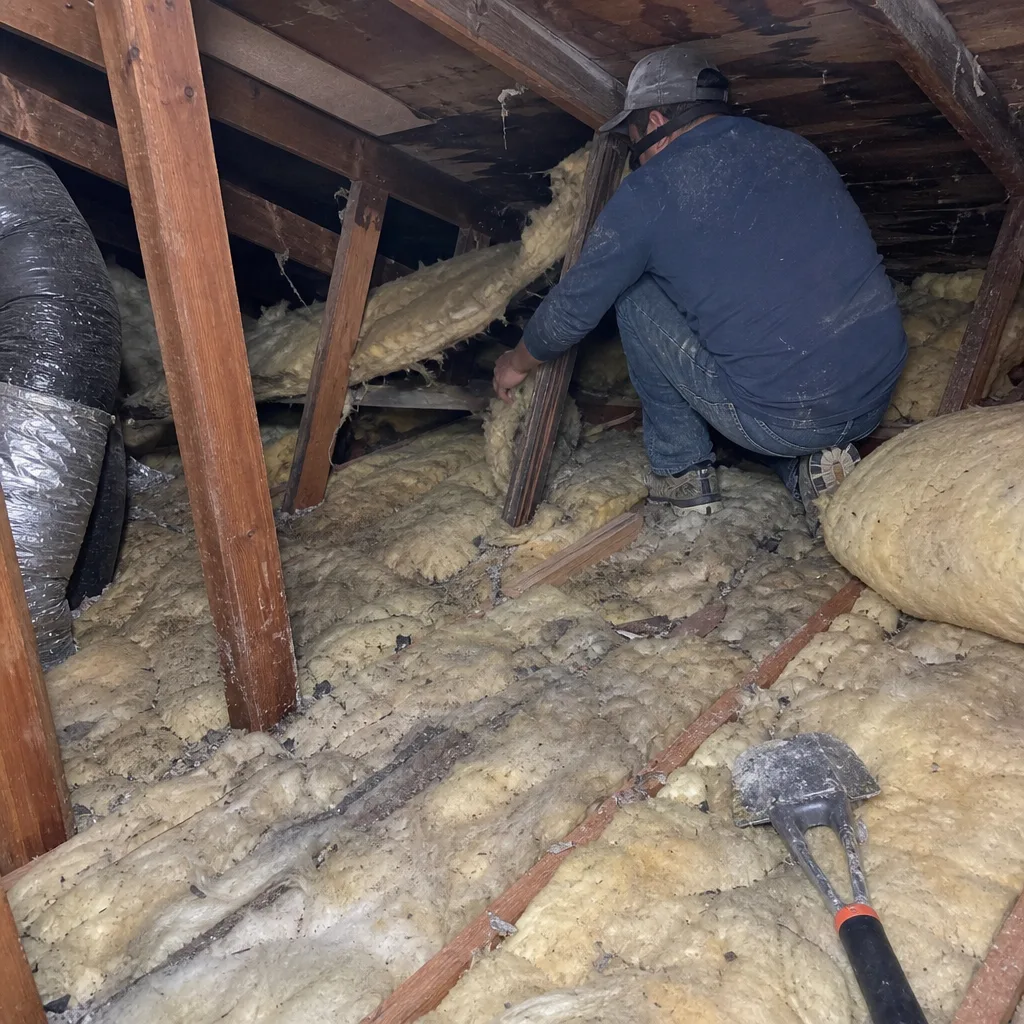 Before
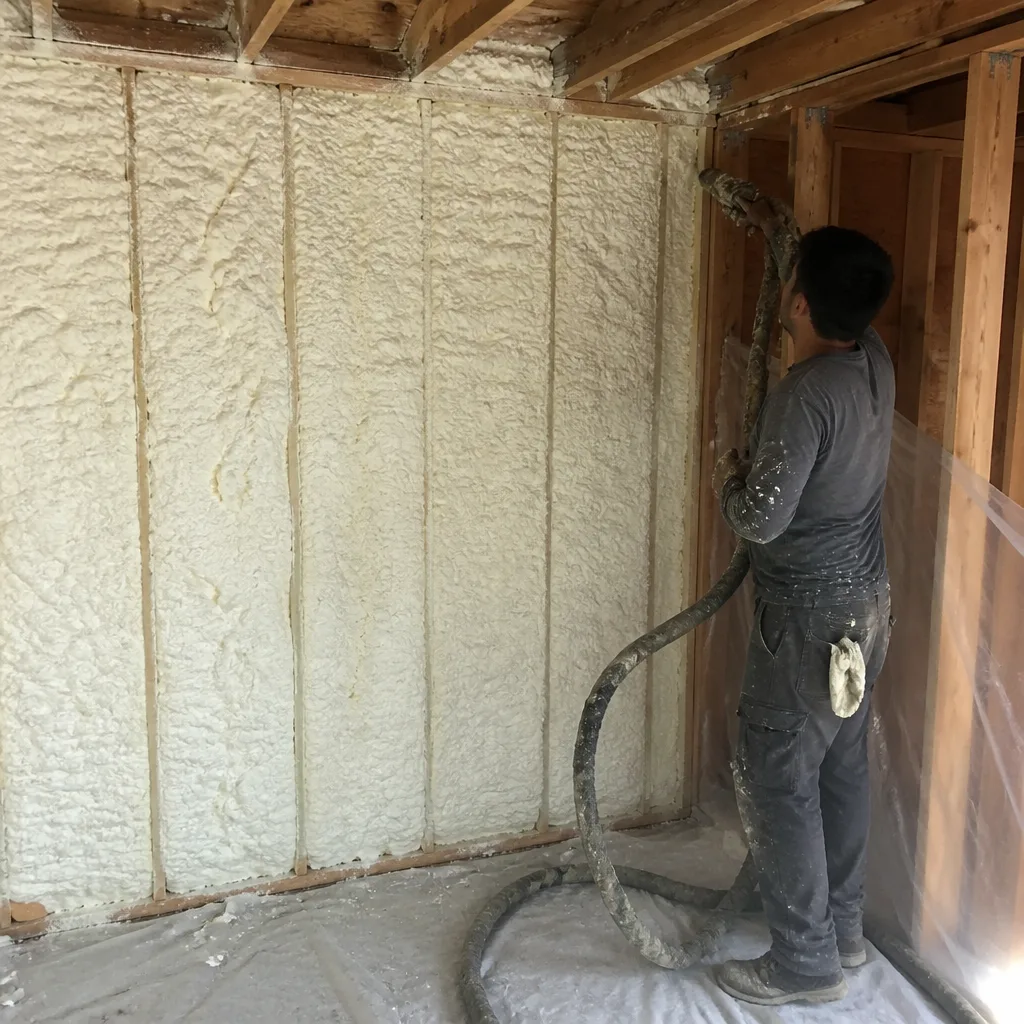 After
AfterBlown-In Attic Insulation Pricing in Lake Forest
Blown-in attic insulation in Lake Forest typically runs between $1.20 and $2.40 per square foot of attic floor area, including air sealing of the attic floor penetrations; see How Much Does Attic Insulation Cost? (2026 Price Guide) - Lake Forest, CA for full details. For a 1,400-square-foot single-story home – a common footprint in the Foothill Ranch and Portola Hills tracts – that puts most projects in the $1,700 to $3,400 range. Larger two-story homes with attic access over a partial footprint generally fall between $900 and $1,800 for the insulated area. These are real numbers from real Lake Forest jobs, not regional averages.
What moves the price inside that range:
- Existing insulation depth. If you already have R-19 and need to reach R-38, you’re adding roughly 6 inches of material. Starting from scratch requires more. The pre-work walkthrough measures this exactly.
- Number of penetrations requiring air sealing. A home with 30 recessed lights in the ceiling below the attic takes longer to seal than one with six. We count them during the walkthrough and price accordingly.
- Attic accessibility. Low-pitch rooflines and tight knee walls slow the crew down. Homes with steep-pitch roofs and generous ridge height are faster to work in. Both scenarios are priced fairly – just differently.
- Material specified. Knauf blown-in fiberglass and CertainTeed cellulose are priced slightly differently. Your written scope names the material and the per-bag quantity so you’re comparing the same thing when you look at competing quotes.
- Removal of contaminated material. If existing insulation is contaminated by rodents or has moisture damage, removal adds cost. We don’t quote this as a surprise line item – it’s in the written scope before any work starts.
| Scenario | Typical Range (Lake Forest) |
|---|---|
| 1,000-1,400 sq ft attic, top-off to R-38 | $1,200 – $2,100 |
| 1,400-2,000 sq ft attic, full install to R-38 | $1,700 – $3,400 |
| 2,000+ sq ft attic, full install to R-49+ | $2,800 – $4,800 |
| Add: attic floor air sealing only (no insulation) | $400 – $900 |
| Add: contaminated insulation removal before install | $500 – $1,500 |
Every estimate is written, flat-priced, and delivered before any work starts – Haven Standard Clause 1 isn’t a policy we enforce selectively. If you have a written estimate from another contractor, bring it. We’ll read it with you line by line at no charge. Call (657) 279-1249 to schedule your free estimate.
FAQs – Blown-In Attic Insulation in Lake Forest
What R-value do I need for blown-in attic insulation in Lake Forest?
California Title 24 requires a minimum of R-38 for attic assemblies in Climate Zone 8, which covers most of Lake Forest. If your attic currently has R-19 from original construction – common in homes built in the Foothill Ranch and Portola Hills tracts before 2005 – you’ll need to add approximately 6 to 8 inches of blown-in material to reach compliance. Homes with higher cooling loads, particularly those on south- or west-facing lots with limited shade, often benefit from going to R-49. We measure your existing depth during the pre-work walkthrough and specify the exact target in the written scope. Call (657) 279-1249 to schedule a free, written estimate.
Does blown-in insulation need to be installed over sealed penetrations, or can it go in first?
Air sealing must come first. Blown-in insulation is an effective thermal barrier, but it does not stop air movement on its own – loose-fill material allows air to pass through at the molecular level, which means any open penetration beneath the insulation layer continues to transfer conditioned air to the attic. The correct sequence is: seal all top plates, recessed-light housings, and plumbing and HVAC penetrations, then blow the insulation on top of the sealed floor, following Attic Baffles & Ventilation Prep best practices. At Topside Attic Insulation Lake Forest, we treat air sealing as a hard prerequisite, not an optional add-on, and we record a blower-door reading before and after to document the result.
How long does blown-in attic insulation last in the Lake Forest climate?
Properly installed blown-in fiberglass or cellulose in a dry attic environment typically maintains its rated R-value for 20 to 30 years. Lake Forest’s inland climate, with dry summers and low annual rainfall, is reasonably kind to insulation materials – the main threats are attic moisture intrusion from inadequate roof ventilation, pest activity compressing the material, and HVAC work that disturbs the depth. We document installed depth with photos at installation; if you ever have a question about settled depth years later, that photo record gives you a baseline to compare against. The 365-Day Done Right Promise covers the installation itself for a full year from completion.
Can I add blown-in insulation on top of my existing batts?
In most cases, yes – as long as the existing batts are dry, uncontaminated, and lying flat. Blown-in material can be added on top of undamaged Attic Batt Insulation or rock wool batts to bring the total R-value up to code without removing the existing layer. If the batts are compressed, moisture-damaged, or show signs of rodent activity, removal before adding new material is the right call. We assess the existing insulation during the pre-work walkthrough and tell you exactly what we found before writing the price.
Written by Wes Okafor, Owner at Topside Attic Insulation Lake Forest, serving Lake Forest since 2016.