
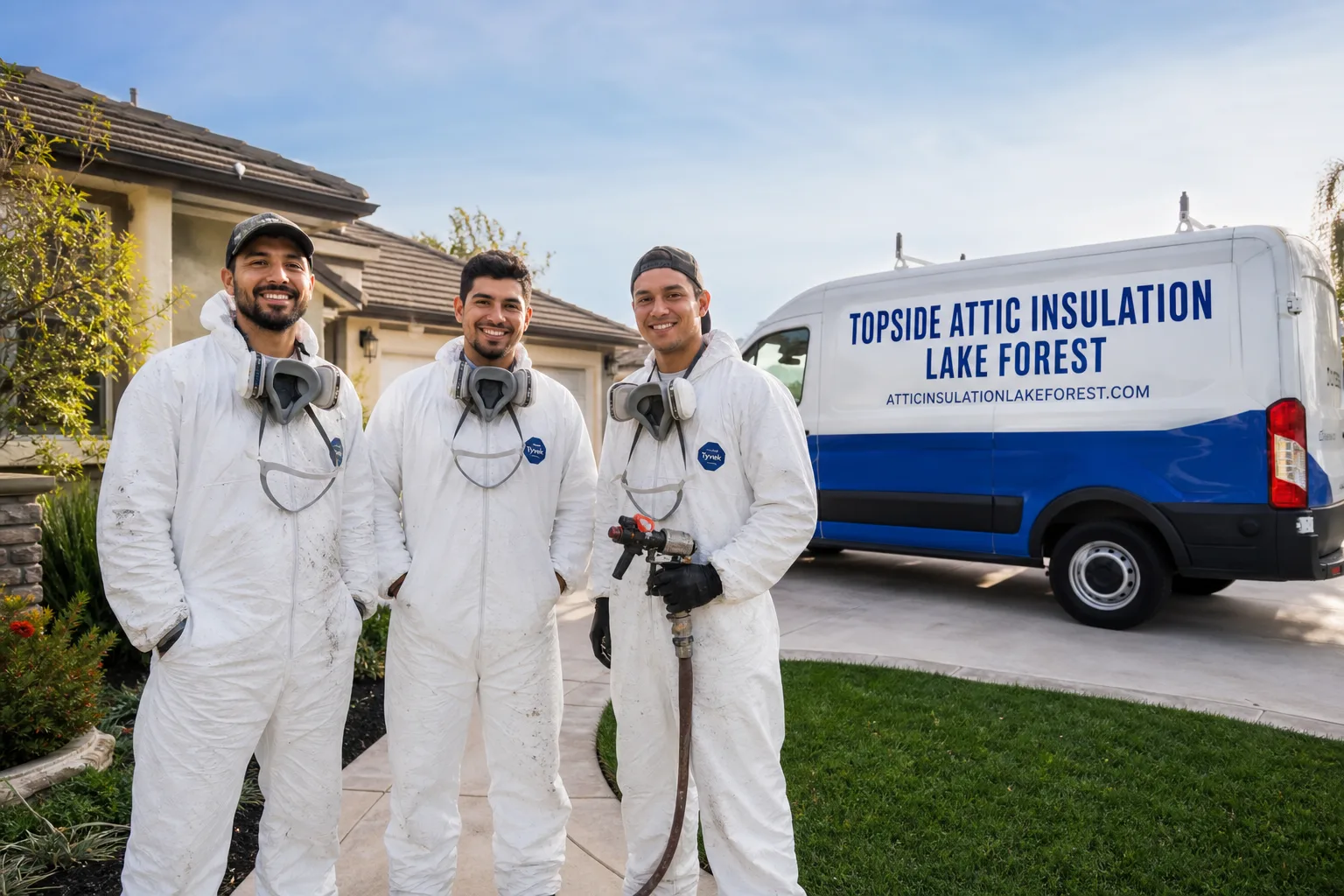
Trusted Spray Foam Insulation for Lake Forest Homeowners
Spray Foam Insulation in Lake Forest typically costs $1,800 to $4,500 for attic applications and $3,200 to $7,800 for closed-cell wall or roof deck work, with most residential jobs completed in one to two days. Topside Attic Insulation Lake Forest has sealed and insulated over 9,000 homes since 2016, and we publish before-and-after blower-door numbers on every applicable job so you can verify the performance change you paid for. Call (657) 279-1249 - a live person answers 24/7, and we offer same-day estimates throughout Lake Forest, from Baker Ranch to Portola Hills.
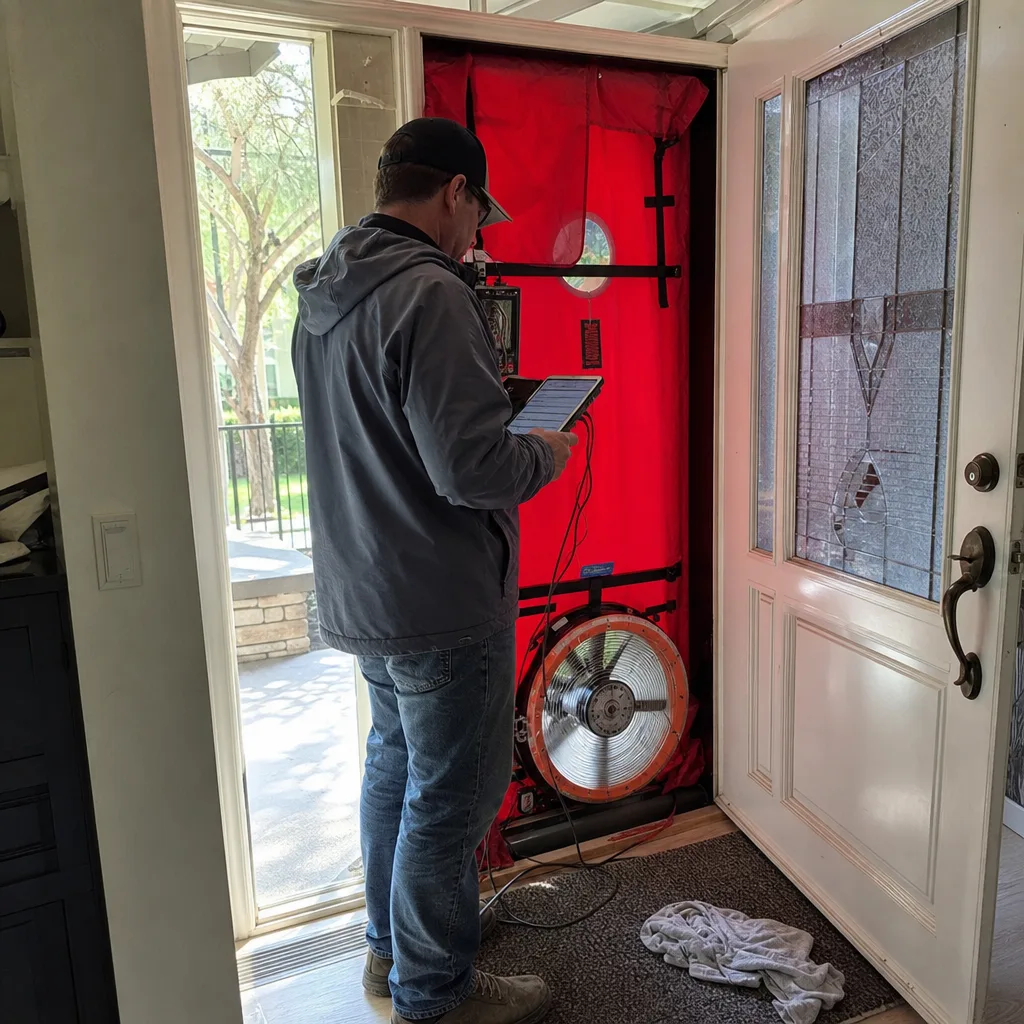
Lake Forest’s inland Orange County climate means summer attic temperatures regularly hit 140°F, and winter nights can dip into the low 40s. Homes built between 1970 and 2005, which make up much of Lake Forest’s housing stock, were often insulated with fiberglass batts that have settled, compressed, or been disturbed by rodent activity. We’ve tested hundreds of these homes with a blower-door test - a pressurization reading that shows, in one number, how much conditioned air your building envelope is losing - and found that unsealed attics in neighborhoods like Foothill Ranch and Lake Forest Keys regularly leak 3,500 to 5,500 CFM50. That’s conditioned air you’re paying to heat and cool, escaping through top plates, can light penetrations, and duct chases.
We don’t blow insulation over problems. Under The Haven Standard, every job begins with air sealing of top plates, electrical penetrations, and can lights before any spray foam goes in. You get a written price before any work starts, a documented photo record when the crew leaves, and on applicable jobs, before-and-after blower-door readings that prove the result. Our 365-Day Done Right Promise means if it’s not done right, we make it right - backed by a written scope and written warranty delivered before anyone lifts a tool.
What Our Spray Foam Insulation Service Includes
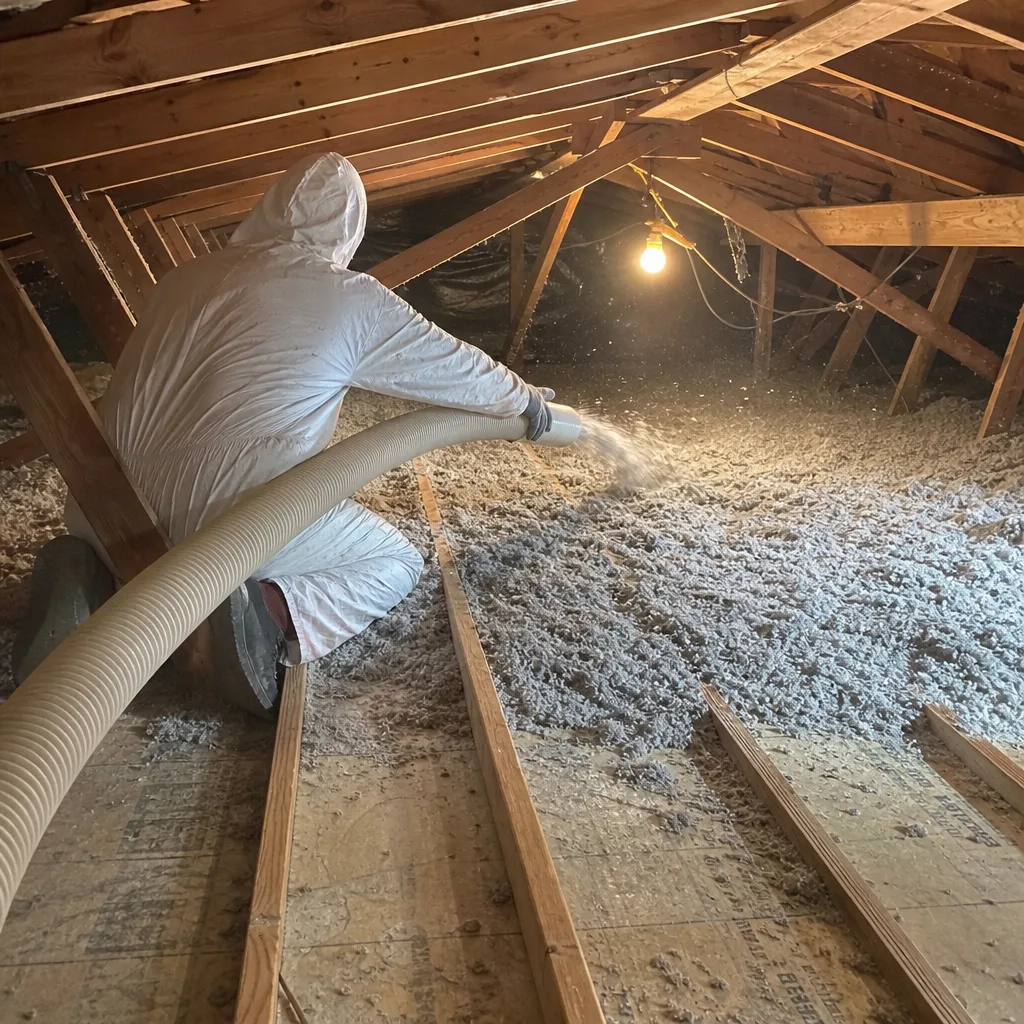
Open-Cell Spray Foam
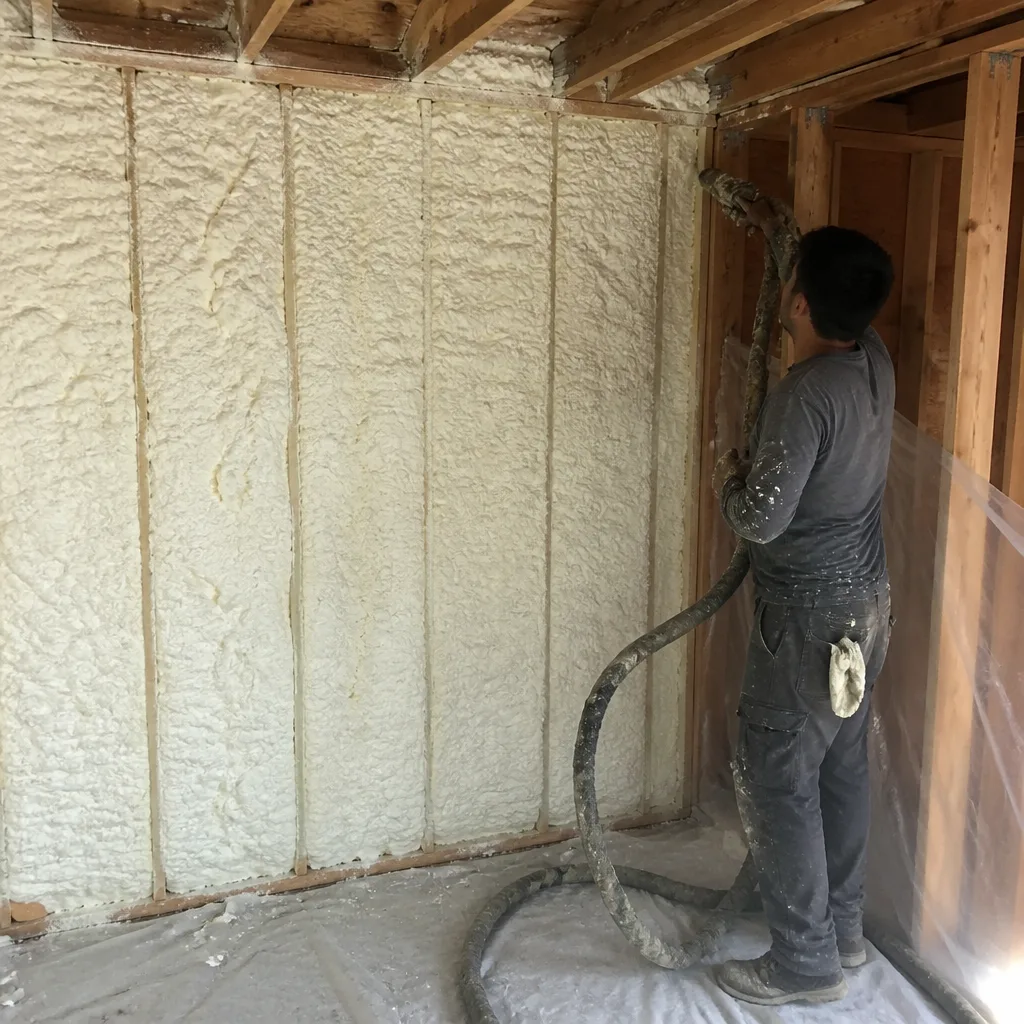
Open-cell spray foam is a half-pound density foam that expands to fill cavities and remains soft and flexible after curing, making it ideal for attic floors and interior walls where you need both insulation and sound dampening. In Lake Forest’s older tract homes, particularly in neighborhoods like Rancho de los Alisos and Serrano Creek, we use open-cell to insulate sloped ceilings and bonus rooms where traditional batts leave gaps at the eaves. Our crews apply it directly to the underside of roof decks in vented attics after completing air sealing of all top plates and penetrations - we never spray over an unsealed surface.
Closed-Cell Spray Foam
Closed-cell spray foam is a two-pound density foam that cures rigid and provides both insulation and structural rigidity, with a higher R-value per inch than open-cell and effective moisture resistance. We specify closed-cell for Lake Forest garage ceilings, exterior walls, and crawl space rim joists where the foam must reject bulk water and provide a vapor barrier - critical in the clay-heavy soils around Aliso Creek where seasonal moisture wicks into foundation assemblies. Our crews meter substrate moisture content before application and won’t spray if readings exceed manufacturer specifications; the documentation goes in your photo record.
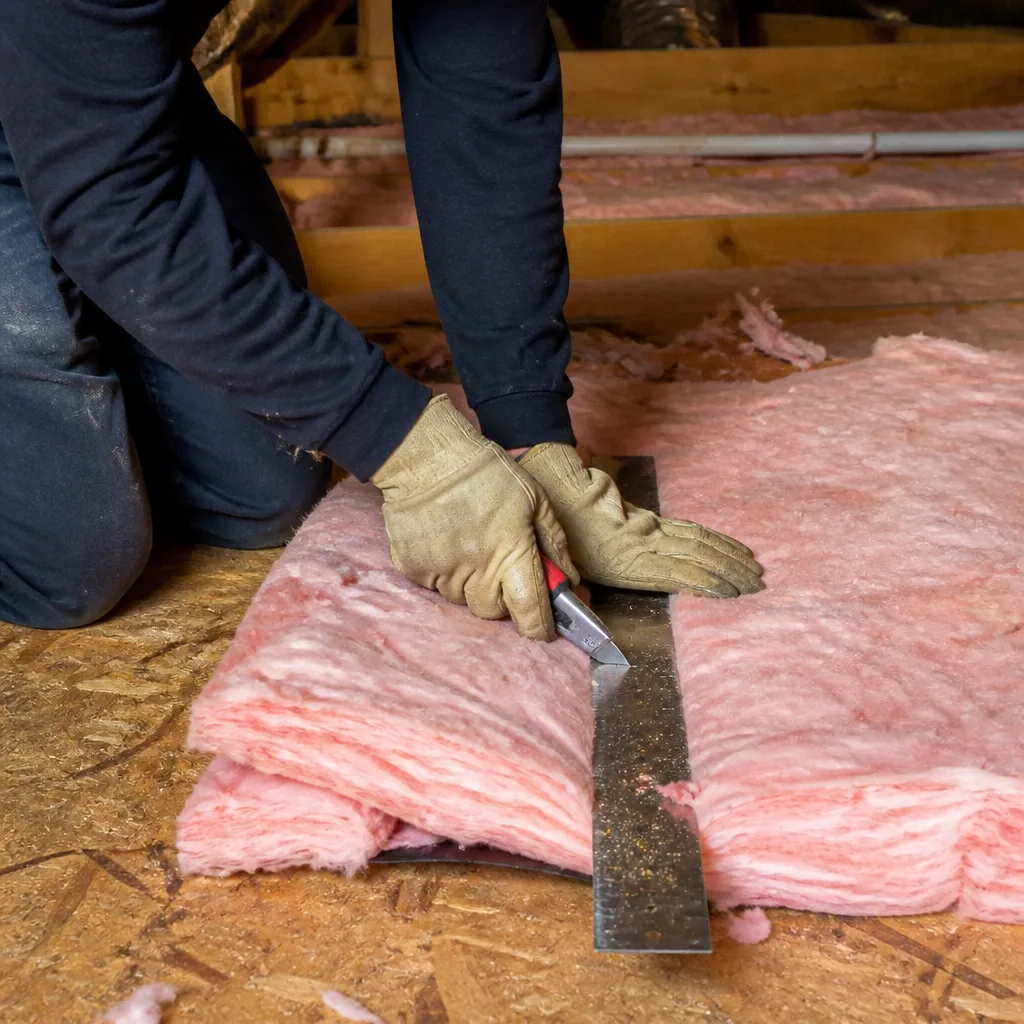
Rim Joist Spray Foam
The rim joist - the perimeter band where your floor framing meets the foundation - is the leakiest part of most homes’ thermal boundary, often accounting for 15 to 20 percent of total air leakage. In Lake Forest’s slab-on-grade and raised-foundation homes, particularly in the terraced developments near Whiting Ranch Wilderness Park, we seal rim joists with closed-cell spray foam after removing any degraded fiberglass and treating for moisture. This stops the stack effect that pulls cold winter air through baseboards and makes second-floor rooms impossible to keep warm.
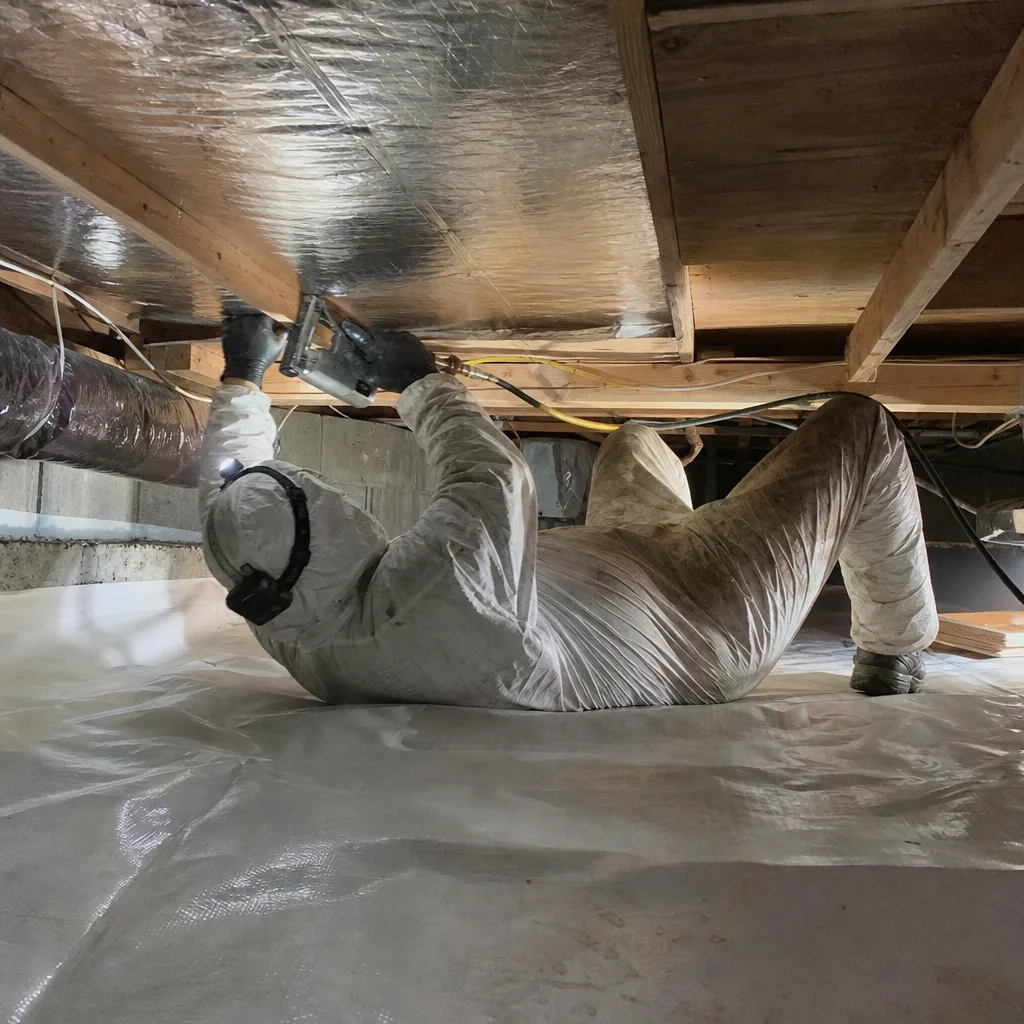
Garage Ceiling Spray Foam
Garage ceiling insulation separates conditioned living space from the unconditioned garage below, and in Lake Forest’s two-story homes with bedrooms over garages, it’s often the weakest thermal boundary in the house. We remove the existing drywall or access through existing openings, air seal all penetrations including recessed lights and duct boots, then apply open-cell or closed-cell foam depending on whether the garage is conditioned or unconditioned. In Baker Ranch and Portola Hills, we’ve documented temperature swings of 18 to 25 degrees in rooms over garages before treatment, dropping to 3 to 5 degrees after proper air sealing and spray foam.
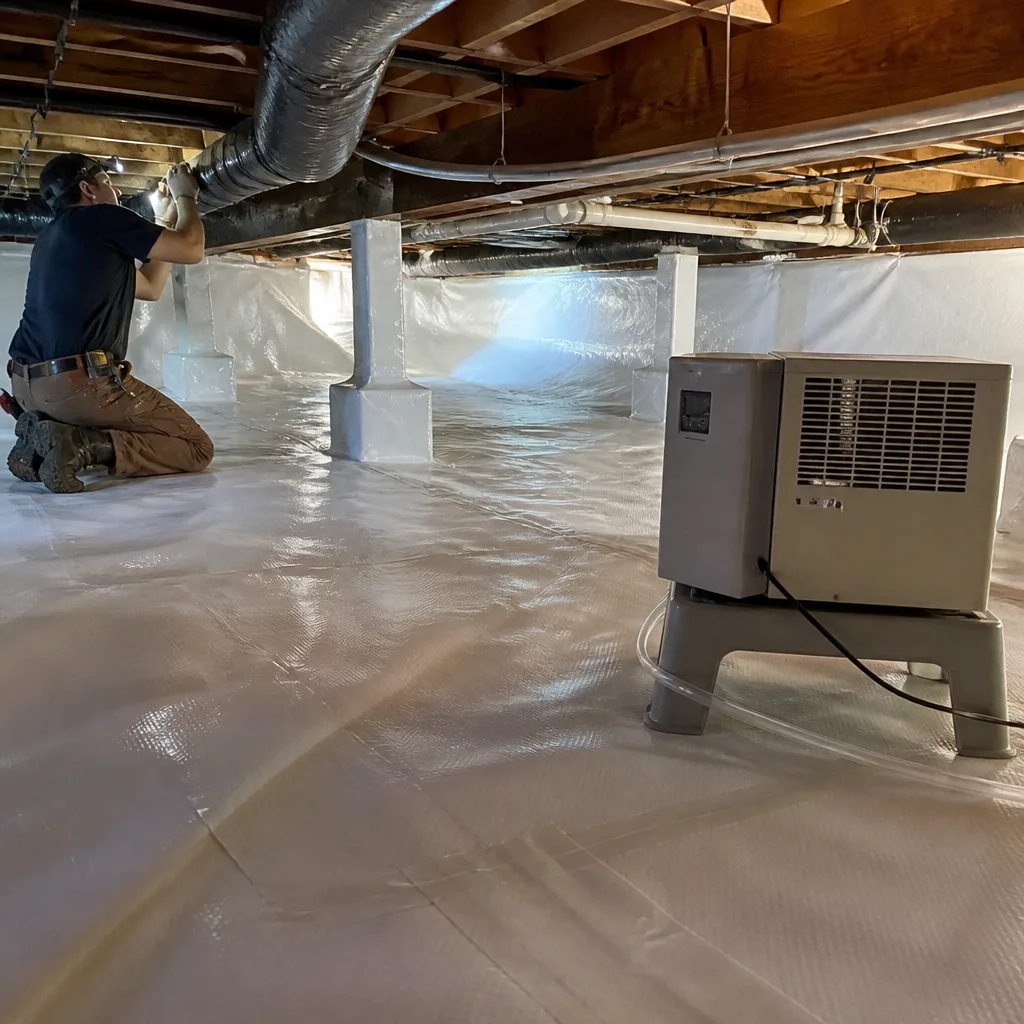
Spray Foam Roof Deck
Spray foam applied directly to the underside of roof decking converts a vented attic into a conditioned, semi-conditioned, or unvented assembly - eliminating the temperature extremes that cook ductwork and degrade stored items. In Lake Forest’s tile-roof homes, common in developments like The Oaks and Lake Forest Shores, we specify this approach when HVAC equipment is located in the attic or when homeowners want usable storage space. The foam creates a monolithic air barrier that eliminates wind washing and thermal bypass, and we verify the result with a blower-door test before and after.
What happens when you call
- 1
A real person answersNo phone trees - you reach a local pro.
- 2
You get an upfront price rangeHonest numbers before anyone is dispatched.
- 3
A background-checked tech heads outLicensed & insured, dispatched right away.
- 4
You approve before work beginsNothing starts until you say go.
Brands We Service for Spray Foam Insulation
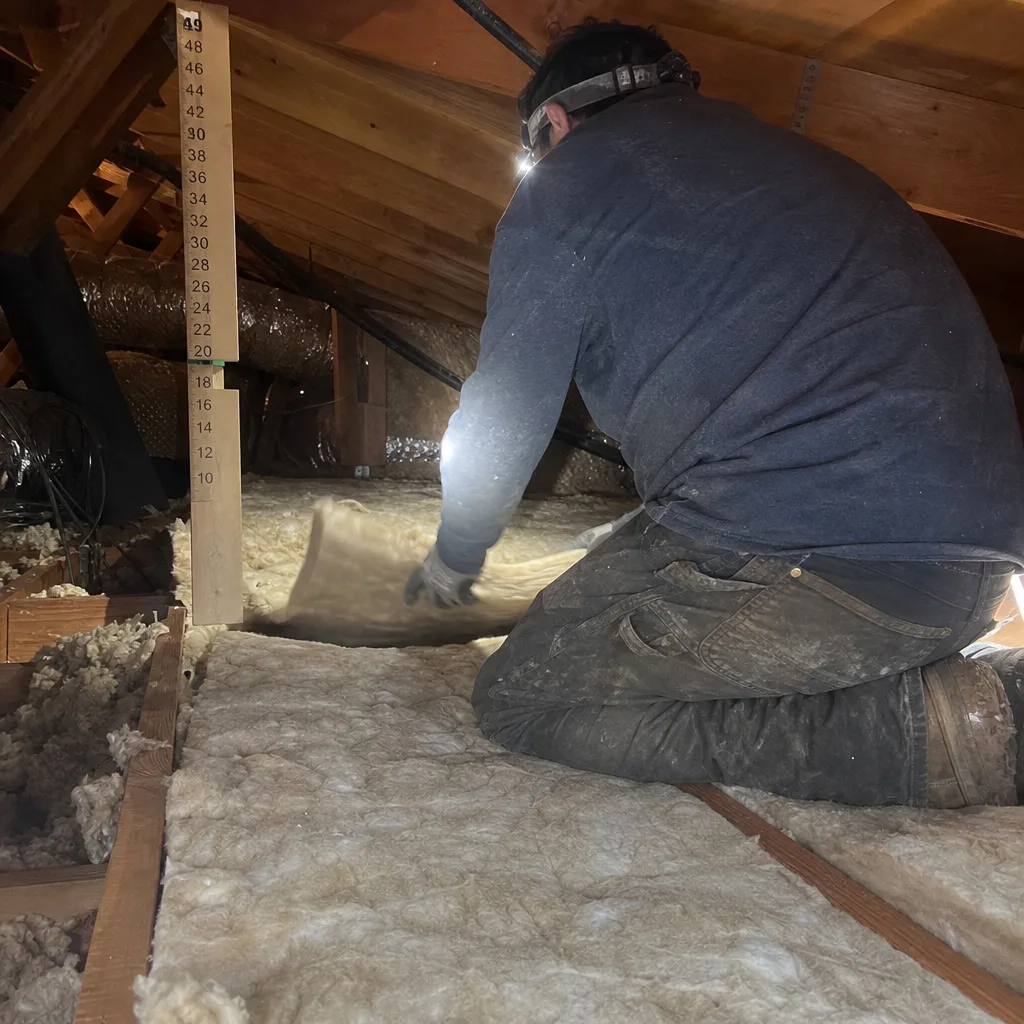
We source spray foam materials from Icynene, Knauf, and Rockwool, among other manufacturers, with no proprietary product lock-in that limits your options. Our crews are trained in the specific substrate preparation, temperature, and humidity parameters for Icynene’s open-cell water-blown formulations, which we’ve applied in hundreds of Lake Forest homes with predictable, documented results. Knauf’s closed-cell systems perform well in our climate zone for garage ceilings and rim joist applications where higher compressive strength matters. Rockwool’s hybrid approaches complement our spray foam work in complex assemblies where both fire resistance and air sealing are required.
Whether your existing insulation was installed with Icynene, Knauf, Rockwool, or any other make, we can assess its condition, identify where it has failed or been compromised, and specify the right replacement or supplement. We do not claim exclusive or preferred status with any manufacturer - we select products based on your home’s specific assembly, your performance goals, and what the blower-door test reveals about your actual leakage paths.
 Before
 After
AfterSigns You Need Spray Foam Insulation Right Now
- Your upstairs bedrooms are 10 to 15 degrees hotter than downstairs in summer. This temperature stratification indicates that conditioned air is escaping through the attic floor faster than your HVAC can replace it, and that your existing insulation has settled or was never properly air sealed. In Lake Forest’s inland climate, this problem peaks in August and September when overnight lows stay above 70°F and your attic never cools down.
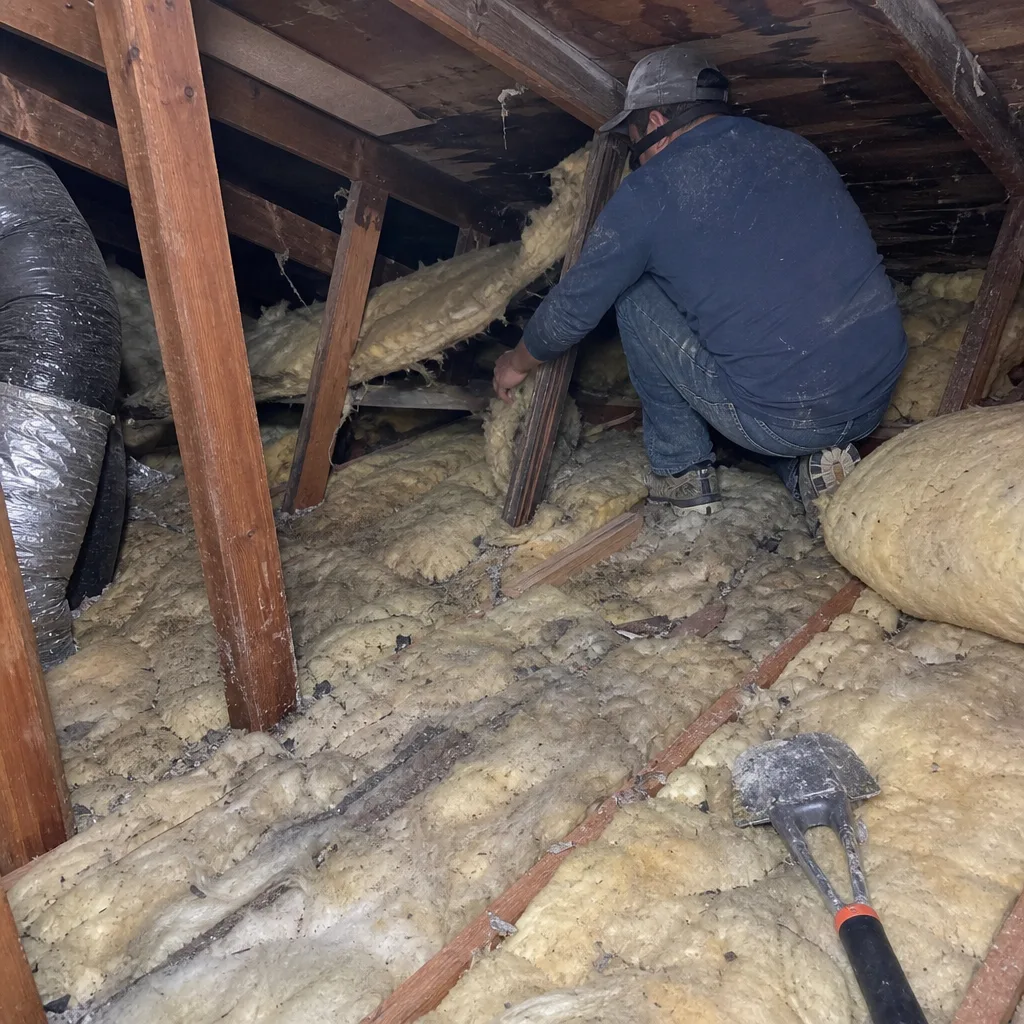
- You can see floor joists through your attic insulation. Fiberglass batts and blown-in cellulose settle over time, and in Lake Forest homes built before 2010, we’ve measured original R-30 batts compressed to R-15 or less. Spray foam maintains its full thickness and R-value for the life of the building because it adheres to substrates and doesn’t shift or settle.
- Your energy bills spike every summer despite consistent thermostat settings. If your kilowatt-hour usage jumps 40 to 60 percent from April to September, your air conditioner is likely fighting massive thermal gain through an unsealed attic. A blower-door test will quantify exactly how much air you’re losing and where.
- You feel drafts at outlets and baseboards on exterior walls. These drafts aren’t from windows - they’re the stack effect pulling air through the rim joist and wall plate connections that were never sealed during construction. Closed-cell spray foam at the rim joist and proper air sealing at top plates eliminates this path.
- Your HVAC runs constantly and never reaches setpoint. When conditioned air leaks out as fast as your system produces it, equipment runs overtime, wears prematurely, and still can’t maintain comfort. We’ve measured homes in Foothill Ranch losing 4,000 CFM50 through the attic alone - equivalent to a 2×2 foot hole open to outside 24 hours a day.
Our Spray Foam Insulation Process - Step by Step
- 1
Site assessment and blower-door test. We arrive on schedule, you get a named technician and a text when they are on the way. The technician conducts a visual inspection of your attic, crawl space, or target area, then runs a blower-door test to establish your baseline air leakage in CFM50. This number goes in your written scope.
- 2
Written price before any work starts. Under Haven Standard Clause 1, we deliver a flat price, written scope, and written warranty before anyone lifts a tool. No surprises, no “we found more once we started.” If you have a competing quote, we offer a Free Second Opinion - we’ll read it with you line by line.
- 3
Air sealing before insulation. We seal top plates, electrical penetrations, can lights, duct chases, and all other leakage paths with targeted foam, caulk, and gasket materials. This is never an upsell - it’s a hard prerequisite. We verify the seal with smoke pencils and infrared imaging where appropriate.
- 4
Spray foam application. Our crews apply the specified open-cell or closed-cell product to manufacturer specifications for temperature, humidity, and substrate moisture. We monitor pass thickness, cure times, and off-gassing intervals before re-occupancy. Every stage is photographed for your documented photo record.
- 5
Post-work verification and documentation. On applicable jobs, we run a second blower-door test and publish the before-and-after numbers so you can see the performance change. You receive your documented photo record, written warranty, and 365-Day Done Right Promise documentation before the crew leaves.
How Much Does Spray Foam Insulation Cost in Lake Forest?
A typical open-cell attic floor application in a Lake Forest home between 1,800 and 2,800 square feet runs $1,800 to $3,200, while closed-cell roof deck or exterior wall work ranges from $3,200 to $7,800 depending on square footage, accessibility, and whether existing insulation requires removal - learn how much Spray Foam Insulation costs for your specific project. Rim joist sealing in a standard crawl space or slab perimeter typically falls between $1,200 and $2,400, and garage ceiling treatments range from $1,500 to $3,500 depending on whether drywall removal and replacement is needed.
Several factors move these numbers. Roof pitch and truss spacing affect how much square footage we’re covering and how difficult access is - Lake Forest’s newer homes in Baker Ranch often have engineered trusses with limited walkability that require specialized platforms. Existing insulation removal adds $0.75 to $1.50 per square foot depending on material type and contamination. Closed-cell costs roughly 60 to 80 percent more than open-cell per board foot because of higher material density and slower application rates. And seasonal demand matters: we book two to three weeks out in September and October when homeowners feel their summer bills, but January and February often have shorter lead times.
To avoid overpaying, get any estimate in writing with line-item scope, specified product by brand and density, and a clear statement of what’s included versus extra. Be wary of per-square-foot pricing that doesn’t specify board feet - spray foam is sold by volume, not area, and a thin pass at low density is not equivalent to a full specified thickness. Our estimates include all preparation, air sealing, application, cleanup, and documentation; the written price is the price.
Call (657) 279-1249 for an exact quote - estimates are free, and we bring a blower-door to every assessment so you know your actual leakage before we talk numbers.
Spray Foam Insulation Near Lake Forest - Our Service Area
We serve Lake Forest and surrounding communities with typical response times of 30 to 60 minutes for estimates. Our crews work regularly in Mission Viejo, where the hillside homes above Oso Parkway present unique air-sealing challenges with their complex rooflines, and in Rancho Santa Margarita, where the Santa Ana wind exposure makes proper envelope sealing critical for comfort. We also cover Laguna Woods, Laguna Hills, Irvine, Las Flores, Aliso Viejo, Ladera Ranch, Tustin, Laguna Niguel, and North Tustin - if you’re in South Orange County, we can be there today or tomorrow.
Homes in North Tustin and the older sections of Tustin often have balloon framing and unsealed wall cavities that predate modern energy codes, while the coastal-influenced areas of Laguna Niguel and Aliso Viejo see different moisture patterns than inland Lake Forest. We adjust our air-sealing priorities and product specifications based on what your specific location and construction era require, not a one-size-fits-all approach.
Serving Lake Forest, CA - Our Local Coverage Area
We’re based in the Lake Forest area and know this community well. Use the map below to see our service coverage - if you’re nearby, we can almost certainly help.
Frequently Asked Questions - Spray Foam Insulation in Lake Forest
Spray foam insulation is a two-component chemical mixture that reacts on application to expand and harden into a rigid or semi-rigid foam, creating both thermal resistance and an air barrier in a single installation. Unlike fiberglass batts or blown-in cellulose, it adheres directly to substrates and fills irregular cavities without gaps or compression. In Lake Forest’s climate, closed-cell spray foam provides approximately R-6.5 per inch and rejects bulk water, while open-cell provides approximately R-3.6 per inch with superior sound dampening.
Most residential spray foam jobs in Lake Forest are completed in one to two days, with an additional 24-hour cure and off-gassing period before re-occupancy. A standard attic floor with air sealing takes one day; a full roof deck or multi-area project may extend to two days. We schedule start times to minimize disruption and provide a written completion timeline in your scope before work begins.
Open-cell attic applications typically run $1,800 to $3,200, closed-cell roof deck or wall work ranges $3,200 to $7,800, and rim joist or garage ceiling projects fall between $1,200 and $3,500 depending on size and access. Every estimate we provide is a flat, written price based on your actual home’s measurements and blower-door results - not a guess or a range that balloons later. Call (657) 279-1249 for an exact quote - estimates are free.
Yes - our crews are trained in the application parameters for Icynene, Knauf, and Rockwool spray foam products, and we stock or source these materials based on your project’s requirements. We do not claim exclusive or preferred status with any manufacturer, and we can assess, repair, or supplement existing installations from any of these brands. Bring us your existing documentation and we’ll tell you what you have and whether it’s performing as specified.
We answer calls 24/7 through a live person, not voicemail, and we can dispatch for urgent situations like failed insulation after water damage or rodent contamination that has compromised your thermal boundary. True spray foam emergencies are rare - foam doesn’t fail catastrophically like a roof leak - but when you need immediate assessment and temporary stabilization, we can be there same-day in Lake Forest and surrounding areas. Call (657) 279-1249 anytime.
All completed work is covered by our 365-Day Done Right Promise - if it’s not done right, we make it right - plus manufacturer warranties on materials that range from 10 years to lifetime depending on product and application. You receive a written warranty document before any work starts, specifying coverage for both materials and workmanship. Under The Haven Standard, “have it in writing” applies to every promise we make.
Clear attic storage and provide access to all areas where work will occur; cover or remove items in garages and living spaces directly below application areas to protect from overspray dust. We handle all containment, masking, and ventilation setup, and we specify re-occupancy timing based on cure chemistry and ventilation rates. You’ll receive a preparation checklist with your written scope after scheduling - most Lake Forest homeowners need about two hours to complete it.
Schedule Your Spray Foam Insulation Service in Lake Forest Today
Call (657) 279-1249 now - a live person answers 24/7, and we offer free, no-obligation estimates with blower-door testing so you know your actual air leakage before we discuss price. Every job starts with a written scope and written price under The Haven Standard, and ends with a documented photo record and, on applicable jobs, before-and-after blower-door numbers that prove the result. Serving Lake Forest, Mission Viejo Spray Foam Insulation, Rancho Santa Margarita, and all of South Orange County since 2016.
Written by Wes Okafor, Owner at Topside Attic Insulation Lake Forest, serving Lake Forest since 2016.