
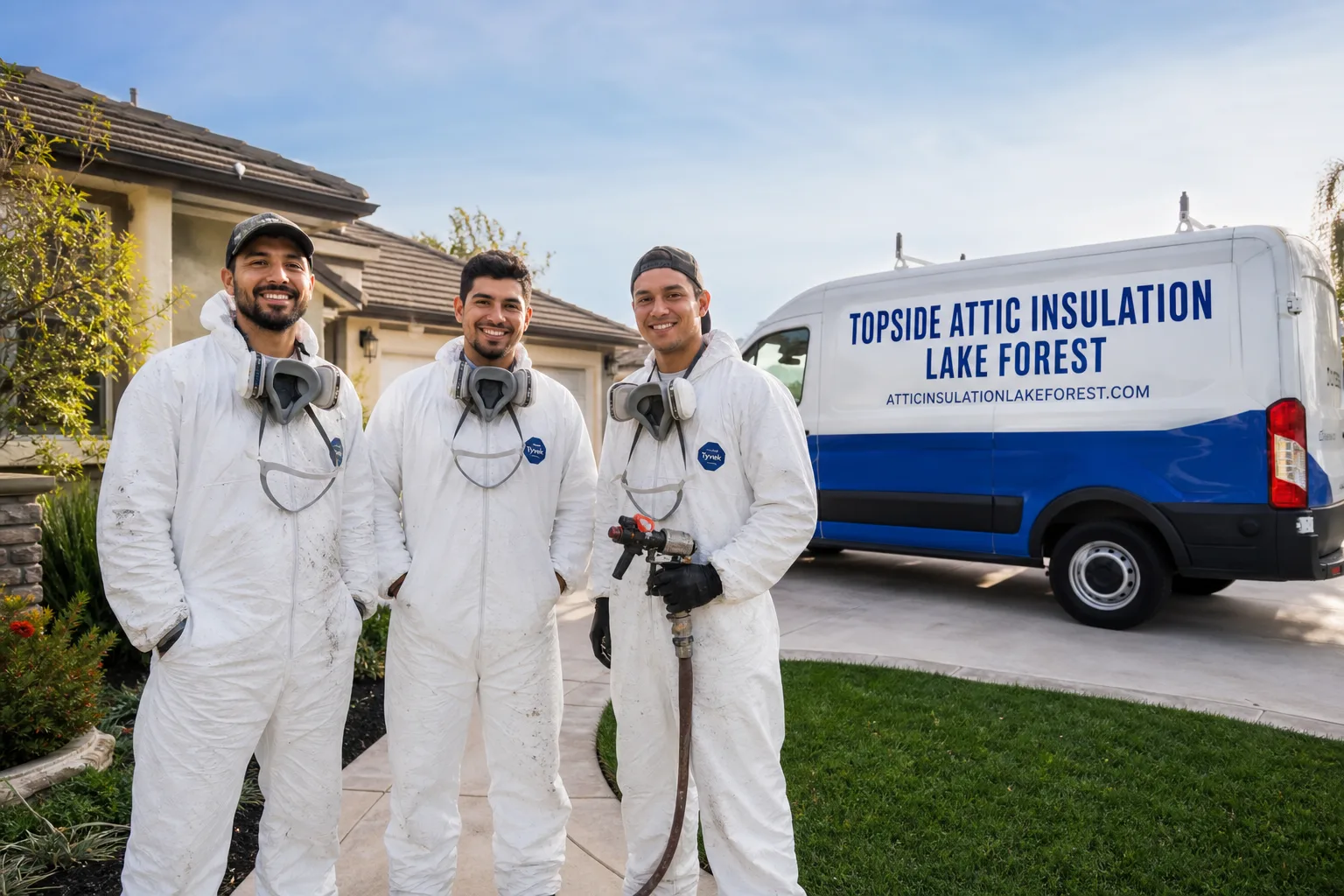
How Much Does Attic Cleaning & Rodent Proofing Cost in Lake Forest?
Attic cleaning and rodent proofing in Lake Forest, CA typically runs between $1,200 and $4,800 for a standard single-family home, with most jobs landing around $2,000 to $3,200 once contaminated insulation removal, sanitizing, and full exclusion work are factored in. Homes in the older Serrano and El Toro corridors where roof rat activity is well-documented often sit at the higher end of that range because the exclusion work is more involved. If you have a written estimate from another contractor, we’ll read it with you at no charge – that’s part of how we work.
Attic Cleaning & Rodent Proofing Cost Breakdown (2026)
Attic Cleaning & Rodent Proofing is not a single service – it’s a sequence of four or five distinct tasks, each with its own labor and material cost. The table below reflects what we see in the Lake Forest market in 2026. Your final number depends on attic square footage, contamination level, and how many active entry points need to be sealed.
| Service Component | Typical Cost Range (Lake Forest, 2026) | Notes |
|---|---|---|
| Initial attic inspection & assessment | $0 – $150 | Many reputable contractors include this in their estimate; ours is free with a written price before any work starts |
| Contaminated insulation removal (vacuum extraction) | $800 – $2,200 | Priced by attic square footage and insulation depth; 1,200-sq-ft attic with heavy contamination runs toward the high end |
| Attic sanitizing & deodorizing | $300 – $700 | Enzyme-based treatments for rodent urine and fecal matter; price rises with contamination area |
| Rodent exclusion (entry-point sealing) | $400 – $1,400 | Sealing soffits, fascia gaps, pipe penetrations, and roofline gaps; older homes with wood siding often have more points |
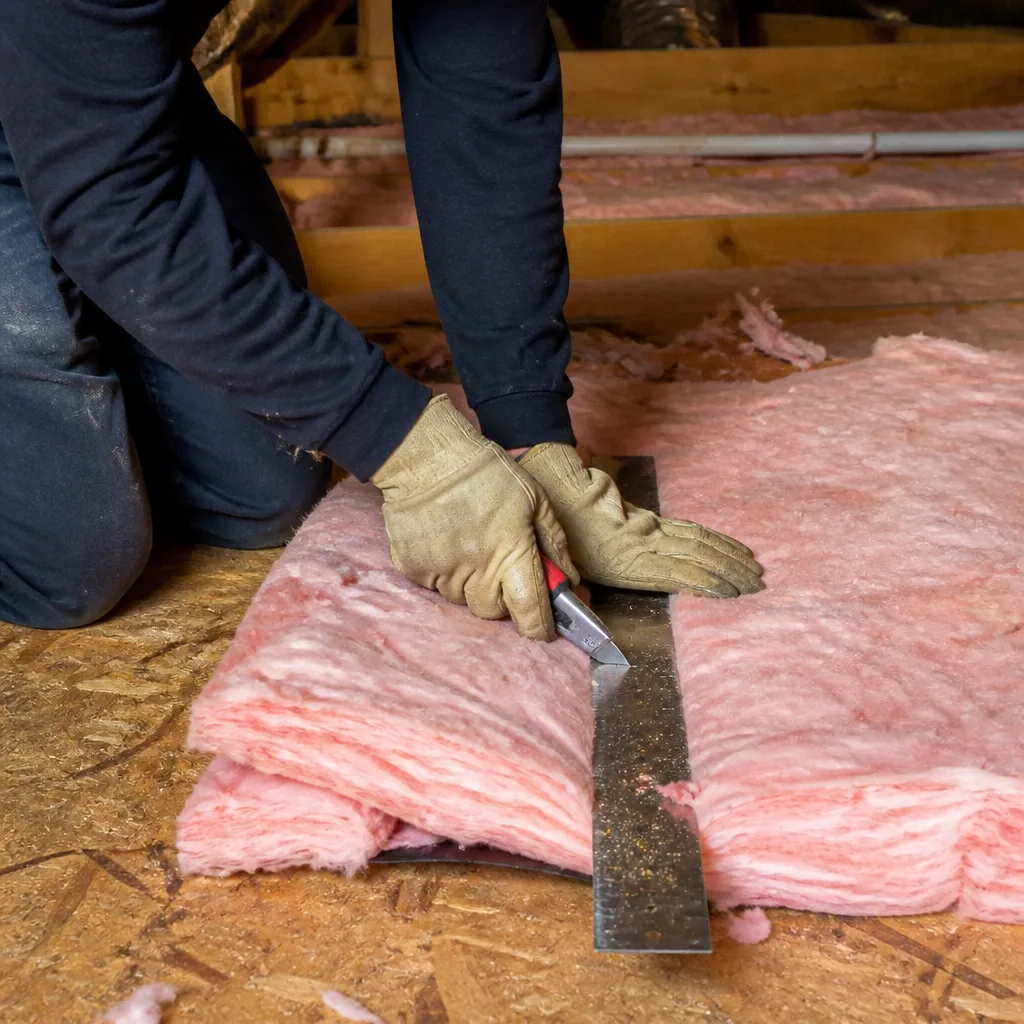
| Fresh insulation installation (after cleaning) | $900 – $2,800 | Blown-in fiberglass or cellulose to current Title 24 R-38 requirements; cost scales with attic size |
| Attic air sealing (top plates, can lights, penetrations) | $400 – $1,200 | Completed before new insulation goes in – this is a hard prerequisite, not an upsell |
| Full project total (cleaning + exclusion + new insulation) | $2,500 – $6,500 | Most Lake Forest homes with moderate contamination and standard attic access: $2,800 – $4,200 |
A few things push that total number higher or lower in Lake Forest specifically. Homes in the Portola Hills and Foothill Ranch areas tend to have steeper-pitch tile roofs, which adds time to the exclusion walk and raises labor slightly. Homes built before 1990 in the older El Toro sections sometimes still have vermiculite or deteriorated blown-in that requires more careful handling and disposal. On the lower end, a home with a clean attic, minimal contamination, and only one or two identifiable entry points can come in closer to $1,500 if insulation replacement is not needed. We put the full price in writing before any work begins – every scope, every line item, before anyone lifts a tool. That’s Haven Standard Clause 1, and it applies to every job we take on in Lake Forest.
What Affects Attic Cleaning & Rodent Proofing Pricing in Lake Forest
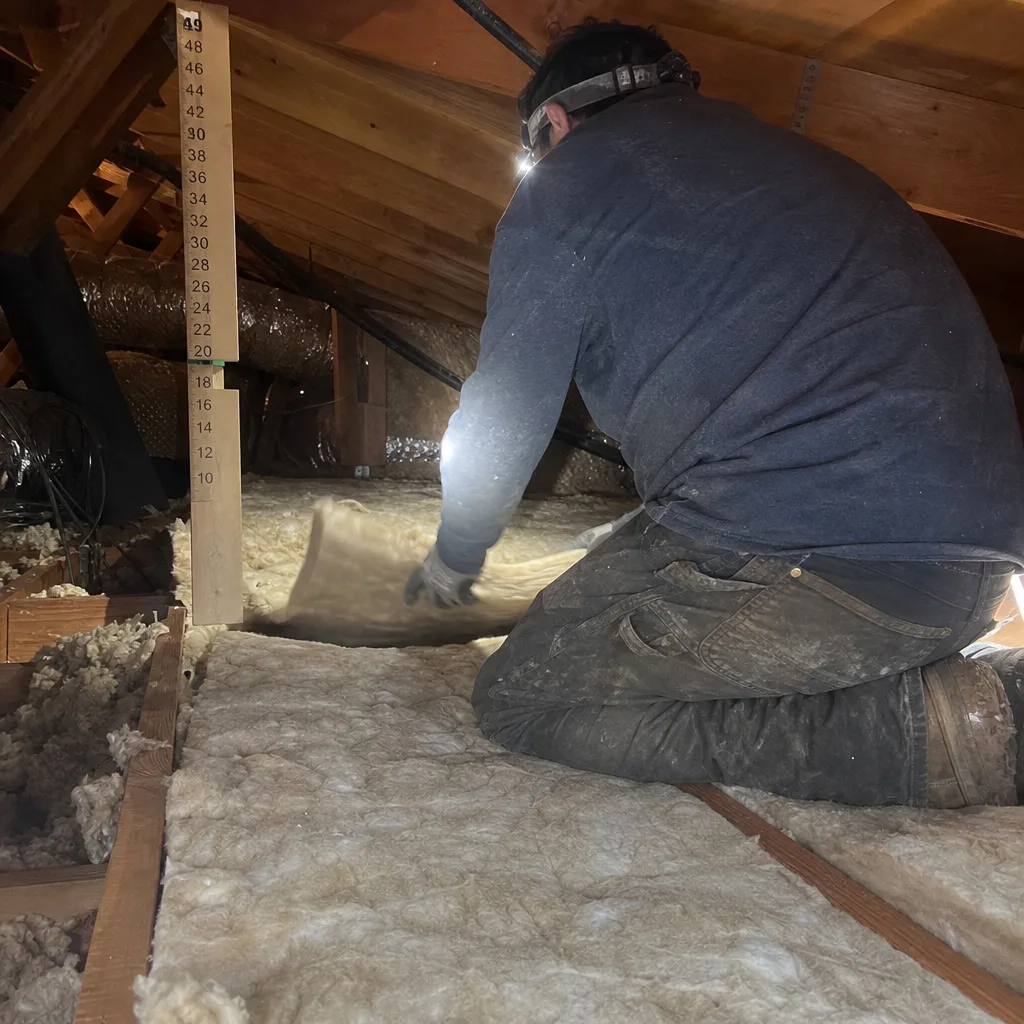
Six factors consistently move the price on these jobs. Understanding them helps you evaluate any written quote you receive – including ours.
- Attic square footage and accessibility. Most Lake Forest homes run 1,000 to 1,800 square feet of attic space. A 1,000-sq-ft attic with a standard scuttle opening and 4 feet of standing room costs less to clean than a 1,600-sq-ft attic with low-clearance sections and a single 18-inch hatch. Labor hours scale directly with how long it takes to move equipment and bags through the space.
- Severity of rodent contamination. A light infestation – a few droppings near one corner, one identifiable nest – runs far less than an attic where roof rats have colonized a section for two or more seasons. In those cases, the contaminated insulation is heavier with absorbed moisture and waste, bagging takes longer, and the sanitizing treatment has to cover more square footage. In some Lake Forest neighborhoods near the Whiting Ranch open space, we’ve seen second-story attics where rats moved through virtually every joist bay.
- Number and complexity of exclusion points. Exclusion – physically sealing the gaps that let rodents in – is priced by how many entry points exist and how hard they are to reach. A standard gap-sealing job on a newer tract home might cover eight to twelve points. An older home with deteriorated fascia, open soffit runs, and multiple utility penetrations can easily have twenty or more. Each one gets sealed with the right material: hardware cloth, galvanized sheet metal, or closed-cell foam for smaller gaps, depending on location.
- Whether insulation replacement is needed. If the existing insulation is saturated with rodent waste, it has to come out – there is no cleaning approach that restores compromised batt or blown-in material to acceptable performance. Once removal is done, the attic floor needs to be air-sealed before any new insulation goes in. That sequence – seal first, then insulate – adds cost up front and prevents the far larger cost of redoing the job in three years because a thermal bypass was never addressed.
- Roof pitch and tile type. Lake Forest has a high concentration of concrete tile roofs, especially in gated communities like Foothill Ranch Towne Centre-adjacent tracts and Serrano. Walking those roofs to inspect and seal roofline gaps takes more time and care than an asphalt-shingle roof at a lower pitch. If a job requires walking the roof for exclusion work, expect that labor time to appear in the estimate.
- Permit requirements and disposal. California requires proper disposal of contaminated insulation as a regulated material in certain cases. Disposal fees for full-truck loads of removed insulation can add $150 to $400 to a project total depending on volume and the current dump rates at local transfer stations. Any legitimate written estimate should break this out separately so you can see it clearly.
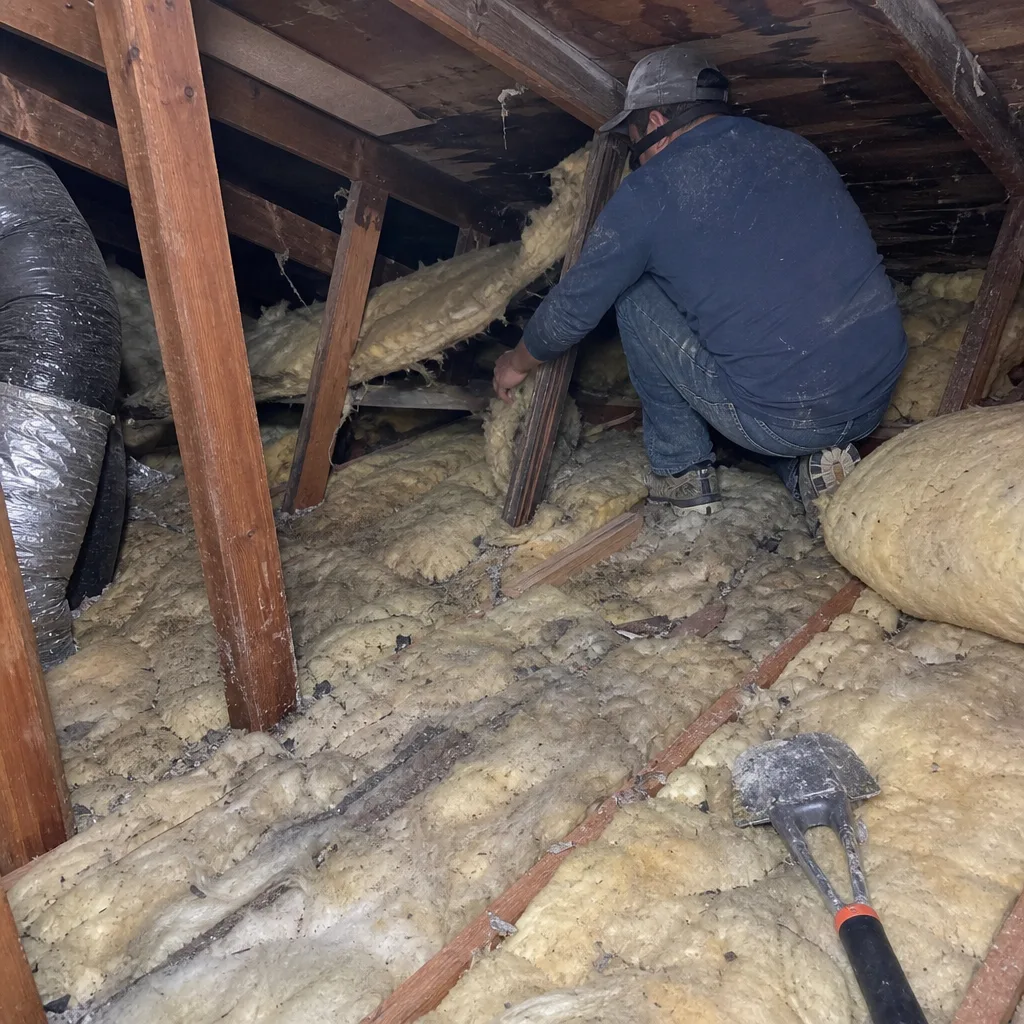 Before
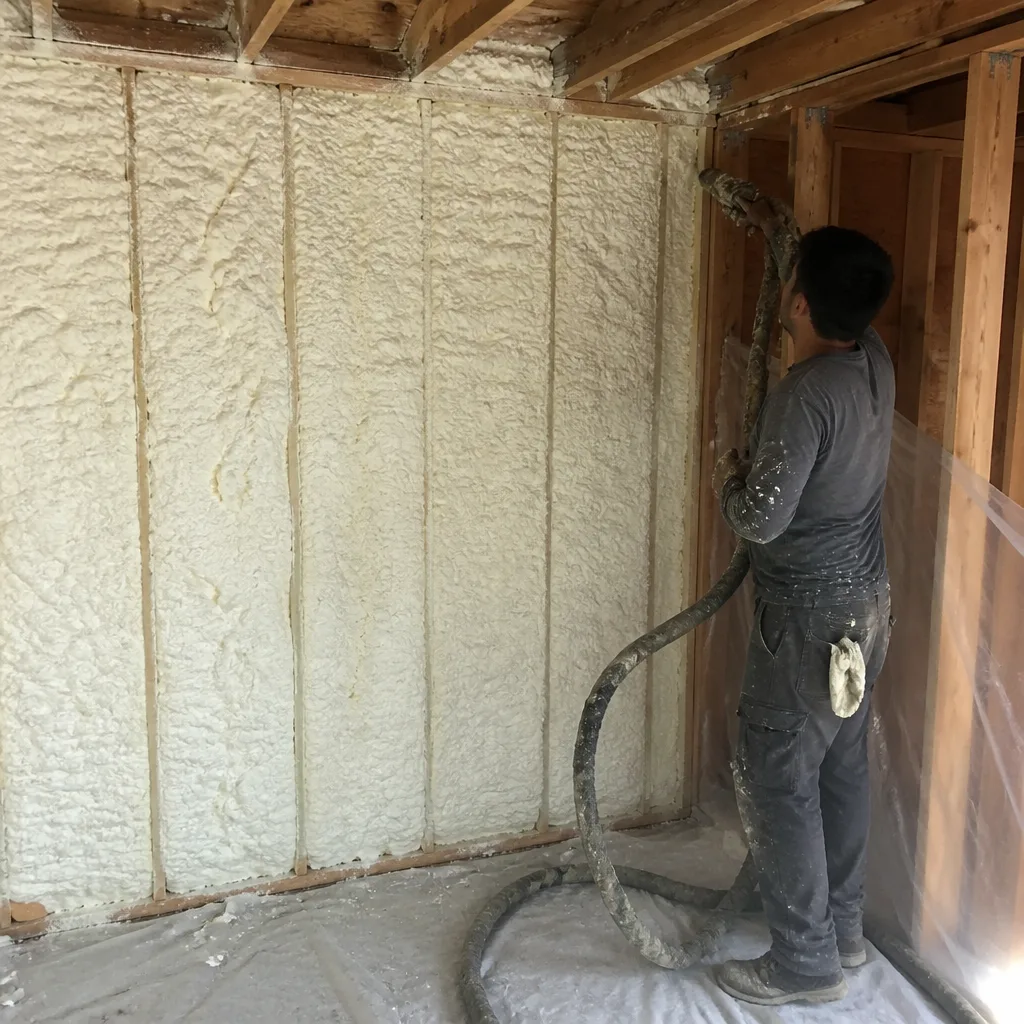 After
AfterLake Forest Attic Conditions: What We Actually Find
Lake Forest sits at the edge of the Saddleback Valley, and that geography matters for attic health. Summer attic temperatures routinely hit 140 to 160 degrees Fahrenheit in south-facing attics between June and September – that heat load accelerates the breakdown of older fiberglass batts and causes rodent droppings to desiccate and become airborne particulate. It also means that an attic running a compromised thermal envelope is pushing your HVAC system hard during the exact months when electricity is most expensive in the SCE service territory that covers most of Lake Forest.
The open space corridor along Whiting Ranch and the Limestone Canyon area creates persistent pressure from roof rats moving into residential neighborhoods as seasonal food sources shift. We see this pattern most in homes on the eastern edges of Lake Forest near the 241 corridor – streets that back up to brushland see heavier rodent pressure than homes in the center of the city, and the exclusion scope reflects that.
Homes built in the late 1980s and 1990s, which make up a significant portion of the Lake Forest housing stock, often have original blown-in fiberglass that has settled to R-11 or lower – well below California’s current Title 24 requirement of R-38 for this climate zone. When those same attics have rodent contamination, removal and replacement gets the homeowner to code compliance at the same time as the remediation. The two projects overlap enough that doing them together is almost always cheaper than doing them sequentially.
For a deeper look at the full service and what the process involves from inspection through cleanup, see our Attic Cleaning & Rodent Proofing in Lake Forest page.
How to Save on Attic Cleaning & Rodent Proofing in Lake Forest
There are real ways to reduce cost on these projects. There are also approaches that look like savings and aren’t – we’ll cover both.
- Get a written, itemized estimate before committing to anything. This isn’t just good practice – it’s the only way to compare quotes fairly. A low total number from one contractor might not include disposal, sanitizing, or re-inspection after exclusion. A higher quote that breaks out every line item is usually a better deal than a low number that grows on the day of service.
- Combine rodent proofing with insulation replacement in one mobilization. When both are needed, scheduling them together saves on the setup and teardown time that gets billed separately if you split the visits. The crew is already in the attic, the equipment is already set up, and the written scope covers both scopes.
- Address the active infestation before the remediation visit. If you have live rodent activity, the exclusion work is the fix – but arriving to a cleanup with active animals still present adds time. If your pest control operator has already confirmed the colony is no longer active, the remediation job is cleaner and faster.
- Use a free second opinion on any written estimate. We offer a free second opinion on any written quote you’ve received from another contractor. Bring it in – we’ll read it line by line and tell you whether the scope makes sense for what you’re describing. There’s no obligation and no sales pitch. If the other quote is fair and complete, we’ll tell you that.
- Check for SCE rebates on insulation upgrades. When attic insulation replacement is part of the project, Southern California Edison offers rebates through their Home Energy Efficiency programs for qualifying upgrades. The rebate amounts change periodically, but in 2025 and into 2026, insulation upgrades in climate zones 8 and 10 – which cover most of Lake Forest – have been eligible. Ask your contractor to document the installed R-value and material specs so you have what the utility needs.
- Don’t skip the air sealing to cut cost. This one bears saying directly: blowing new insulation over an unsealed attic floor does not solve the problem. The air leaks at top plates, can lights, and plumbing penetrations will continue to pull conditioned air out of the home, and you’ll have paid for new insulation that underperforms. We air-seal before we insulate on every project – not as an upsell, but because the other sequence doesn’t actually work.
If you want an exact number for your home, call (657) 279-1249. You’ll get a written price before any work starts, and the inspection doesn’t obligate you to anything.
What the Process Looks Like, Start to Finish
Part of what makes attic cleaning and rodent proofing quotes hard to compare is that different contractors do different things and call them the same name. Here’s what a complete, properly sequenced job includes – and what you should expect to see in a written scope before you sign anything.
Step 1: Inspection and Documentation
A thorough inspection covers the full attic floor, all accessible soffit runs, the roofline perimeter, and every utility penetration. A technician who spends less than 30 minutes in the attic has not inspected it – they’ve looked at it. At the end of the inspection, you receive a written scope that names every entry point to be sealed, the volume of insulation to be removed, the square footage of sanitizing treatment, and the materials going back in. That scope is the written price. Under Haven Standard Clause 1, nothing moves forward without it.
Step 2: Contaminated Insulation Removal
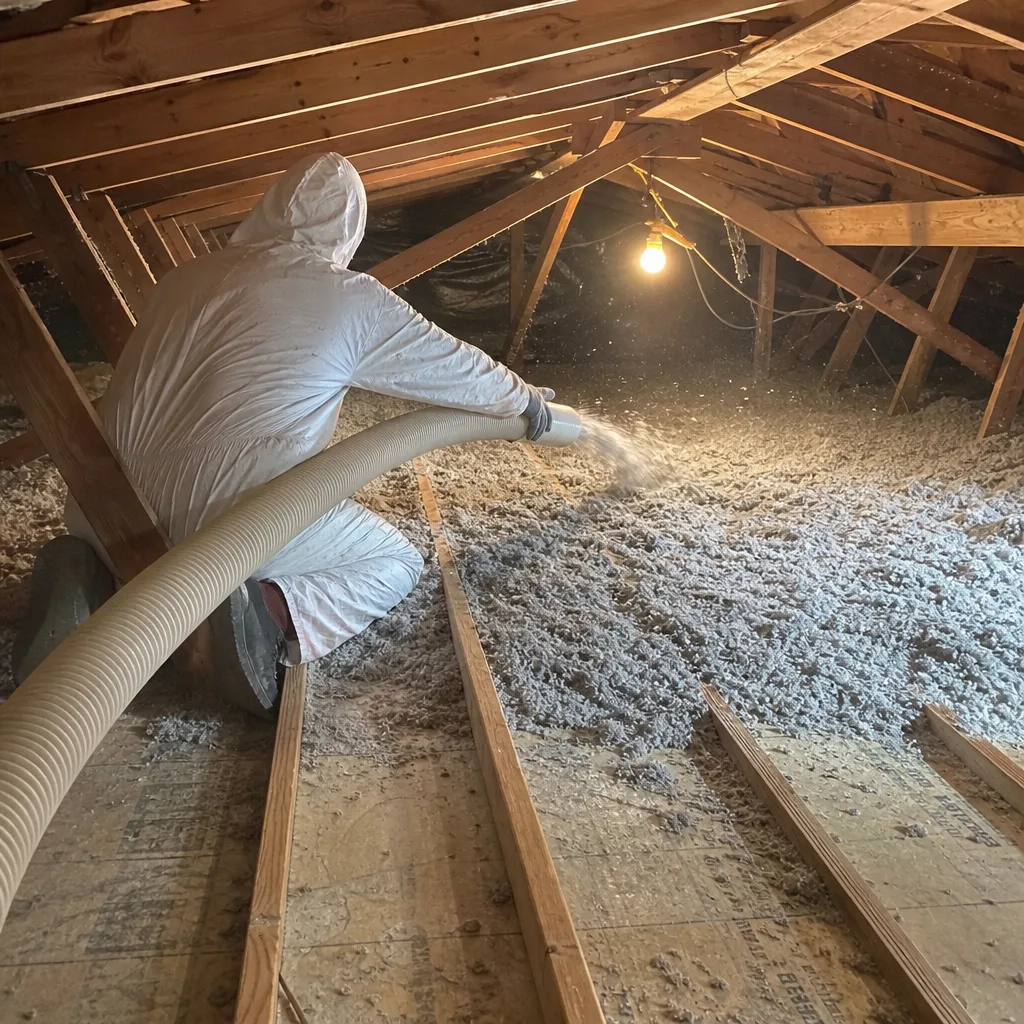
Removal uses commercial-grade HEPA-filtered vacuum equipment. The crew bags and removes all contaminated material – batts, blown-in, or both – and the attic floor is left exposed for the next step. Anything left in place that has rodent contact has to go; partial removal is not a finished job.
Step 3: Attic Sanitizing
Enzyme-based sanitizer is applied to the attic deck, joists, and any wood surfaces that had direct contact with rodent waste. This neutralizes organic material at the source rather than masking odor. The treated area has to dry fully before insulation goes back in.
Step 4: Rodent Exclusion
Every identified entry point is sealed with the appropriate material. Small gaps at pipe and wire penetrations get closed-cell foam or copper mesh. Larger soffit gaps and fascia openings get galvanized hardware cloth or sheet metal, fastened mechanically. A reputable exclusion job comes with a documented list of every point sealed – not a verbal assurance that “everything was taken care of.”
Step 5: Attic Air Sealing
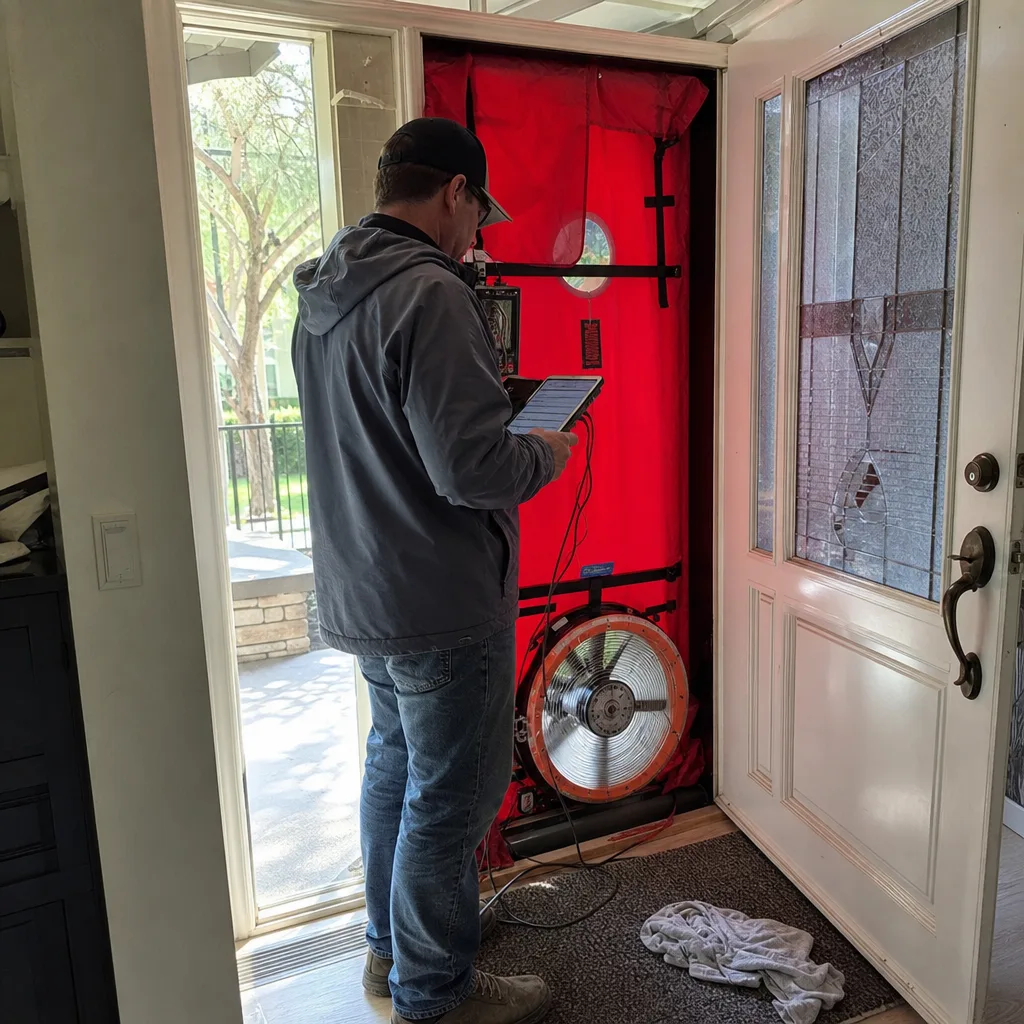
Before any new insulation goes in, top plates, can light housings, and plumbing and electrical penetrations are sealed with fire-rated foam or caulk. This step is what separates a real building-performance job from a cosmetic fix. A blower-door test – a pressurization measurement that shows, in one number, how much air the building envelope is losing – can document the change if you want it on record.
Step 6: Insulation Installation
New insulation goes in over a sealed, clean attic floor. Material choices in Lake Forest most commonly include blown-in fiberglass (from brands like Owens Corning and Johns Manville) or blown-in cellulose (GreenFiber). The installed depth is documented to confirm it meets the R-38 requirement under California Title 24 for this climate zone.
Step 7: Photo Documentation
A Documented Photo Record is included on every visit – before shots showing contamination and entry points, and after shots showing the sealed exclusion points and installed insulation depth. You don’t have to ask for these; they’re part of every job under The Haven Standard since 2016.
FAQs – Attic Cleaning & Rodent Proofing Cost in Lake Forest
How much does attic cleaning and rodent proofing cost in Lake Forest, CA?
Most Lake Forest homeowners pay between $1,200 and $4,800 for the full sequence of inspection, contaminated insulation removal, sanitizing, and exclusion work. When new insulation is added after cleaning – which is required when the existing material is saturated with waste – the total typically runs $2,500 to $6,500 depending on attic size and contamination level. A 1,400-sq-ft attic with moderate contamination and 10 to 14 exclusion points lands around $2,800 to $3,800 in the current Lake Forest market. Call (657) 279-1249 for a written estimate with exact line items for your home – the estimate is free and there’s no obligation.
Is it cheaper to repair or replace contaminated attic insulation in Lake Forest?
If insulation has direct rodent contact across more than about 20 to 25 percent of the attic floor, replacement is almost always less expensive over any meaningful time horizon than attempting to clean it in place. Contaminated insulation holds odor, can harbor hantavirus risk (a serious health concern – handling it without proper respiratory protection is not safe for homeowners), and continues to degrade in performance as the organic waste breaks down the fiber structure. The cost to remove and replace is typically $1,700 to $5,000; the cost of ignoring it compounds. If contamination is truly limited to one small area and the rest of the material is intact, spot treatment and partial replacement is a legitimate option – but a contractor who recommends that without inspecting the full attic floor hasn’t given you a reliable answer.
How long does attic cleaning and rodent proofing take in Lake Forest?
A standard job on a 1,200 to 1,600-sq-ft attic runs one to two full days. Day one typically covers removal, sanitizing, and exclusion. Day two covers air sealing and insulation installation once the sanitizer has dried. Larger attics or homes with heavy contamination and many exclusion points can run two to three days. You’ll get the timeline in writing before the job starts – there’s no “we’ll see how it goes” on a properly scoped project.
Does rodent proofing prevent all future infestations in Lake Forest?
A thorough exclusion job closes every identified entry point, which stops the current infestation pathway and makes re-entry significantly harder. No contractor can guarantee that a rodent will never find a new gap, particularly in neighborhoods like those near Whiting Ranch where wildlife pressure is ongoing and seasonal. What a complete exclusion does is eliminate the existing routes – which, in our experience across Lake Forest homes, accounts for the vast majority of recurrence. If you see new signs of activity within the coverage period, a documented scope gives you something to point to when you call. The 365-Day Done Right Promise covers completed work – if it’s not done right, we make it right.
Do I need a permit for attic cleaning and rodent proofing in Lake Forest?
In most cases, no permit is required for attic cleaning, rodent exclusion, or insulation replacement in Lake Forest under the City of Lake Forest’s current building code. The exception is structural modification – if access hatch enlargement or framing work is involved, a permit may be required. Your written scope will note this if it applies. Disposal of contaminated insulation as a regulated material follows California hazardous waste handling guidelines regardless of permit status, and the cost of compliant disposal should appear as a separate line item in any honest estimate.
Can you come the same week for an estimate in Lake Forest?
We serve Lake Forest and surrounding Orange County communities from our local schedule, and estimates are typically available within a few business days. A live person answers at (657) 279-1249 – no voicemail loop, no callback window measured in days. If you’ve already received a written estimate from another contractor and want a second opinion read alongside it, bring it to that call – we’ll review it with you at no charge.
Key Takeaways
- Attic cleaning and rodent proofing in Lake Forest runs $1,200 to $4,800 for most single-family homes; full remediation with insulation replacement runs $2,500 to $6,500.
- The biggest cost drivers are attic size, contamination severity, number of exclusion points, and whether insulation replacement is needed.
- Homes near the Whiting Ranch open space and older El Toro-area streets see higher exclusion complexity due to persistent rodent pressure from adjacent brushland.
- Air sealing before insulation is not optional – it’s what makes the new insulation perform at the rated R-value.
- Every estimate from Envelope Insulation Co. operating as Topside Attic Insulation Lake Forest comes in writing before any work starts, includes itemized line items, and is backed by the 365-Day Done Right Promise.
- Southern California Edison rebates may offset insulation replacement costs – ask for documented R-value specs when the job closes.
- A Documented Photo Record is included on every job, not available on request.
Get a Written Price for Your Lake Forest Attic
If you’re looking at a rodent problem in your attic – or if you’ve already got a quote and want a second set of eyes on it – call (657) 279-1249. Wes Okafor and the Topside Attic Insulation Lake Forest crew serve Lake Forest and the broader Saddleback Valley, and we put the full price in writing before any work starts. The estimate is free. The photo documentation, the written scope, and the 365-Day Done Right Promise come with every job. No voicemail – a live person picks up.
If you’re still getting oriented on what the service involves before you’re ready to call, the home page is a good place to see the full scope of what we cover across the building envelope.
Written by Wes Okafor, Owner at Topside Attic Insulation Lake Forest, serving Lake Forest, CA since 2016. Pricing reflects the Lake Forest market as of 2026. Topside Attic Insulation Lake Forest offers free written estimates – call (657) 279-1249.
What Our Customers Say
"They air-sealed the attic floor before insulating and showed me the blower-door number before and after. The upstairs is finally the same temperature as downstairs."
- Marisol D."They photographed rodent damage in the old insulation that we had no idea about, and priced the exclusion work separately so we could decide."
- Harriet N."The winter gas bill dropped by about a third. They had estimated a quarter, so they under-promised."
- Genevieve R.