
How Much Does Attic Air Sealing Cost in Lake Forest?
Our Attic Air Sealing services in Lake Forest, CA typically run between $850 and $2,400 for a standard single-story home, with most jobs landing around $1,200 to $1,600 when the attic is accessible and the bypasses are limited to top plates, can lights, and plumbing penetrations. Larger two-story homes or attics with extensive recessed lighting, HVAC chases, and knee walls can push the project toward $2,400 or beyond. These figures reflect actual Lake Forest market conditions in 2026 – not national averages – and assume air sealing is completed before any insulation is added.
Attic Air Sealing Cost Breakdown (2026)
Here is how the numbers typically break down on a Lake Forest job. The figures below come from work done on homes in neighborhoods like Foothill Ranch, Serrano, Baker Ranch, and the older tracts off El Toro Road, where construction vintages and attic configurations vary widely.
| Scope of Work | Typical Cost Range |
|---|---|
| Small attic, limited bypasses (under 1,000 sq ft attic floor, newer tract home) | $850 – $1,100 |
| Standard single-story home (1,000-1,800 sq ft attic floor, typical bypasses) | $1,200 – $1,600 |
| Larger single-story or modest two-story (1,800-2,500 sq ft attic floor) | $1,500 – $2,100 |
| Large two-story with HVAC chases, recessed lights, knee walls (2,500+ sq ft attic floor) | $2,100 – $2,400+ |
| Attic air sealing combined with insulation removal and reinstall | $2,400 – $4,500+ (depends on R-value target and removal scope) |
| Blower-door test (pre- and post-sealing verification) | Included on applicable jobs at Envelope / add $275-$400 if quoted separately |
| Attic hatch sealing and weatherstripping only | $150 – $350 (as a standalone; usually bundled into full scope) |
A few things push cost up on Lake Forest jobs specifically. Homes built in the late 1980s and 1990s in communities like Foothill Ranch often have cathedral ceilings that intersect with the attic plane at odd angles, which means more linear feet of top-plate sealing and longer labor time. Homes in the newer Baker Ranch and Portola Hills developments are generally tighter from the factory, so the bypass count is lower and the job runs shorter. Conversely, any attic that has been through a remodel – where drywall was cut for new recessed lights or a bathroom fan was rerouted – tends to have unplanned air bypasses that add to the count and the labor time.
Under Haven Standard Clause 1 (Written Price Before Any Work Starts), every job at Envelope Insulation Co. begins with a flat written price. No one picks up a caulk gun until the customer has a written scope and a written warranty in hand. That means the number you are quoted is the number on the invoice.
What Affects Attic Air Sealing Pricing in Lake Forest
- Attic floor area and height. Cost scales more with accessible floor area than with house square footage, because the crew is sealing the attic floor plane, not the living area below. A sprawling single-story ranch on Serrano with 2,200 square feet of attic floor will cost more to seal than a two-story home of the same living area, because the attic floor is roughly half the size on the two-story.
- Bypass count and type. A blower-door test – a pressurization measurement that shows, in one number, how much air your building envelope is losing – identifies every significant bypass. Homes with many recessed can lights (common in Lake Forest homes built between 1988 and 2005) have more penetrations to seal with fire-rated foam or rigid covers. Each can light adds roughly $15-$35 in material and time; a ceiling with 40 recessed fixtures adds up fast.
- HVAC equipment location and chases. When the air handler sits in the attic – which is the norm in Lake Forest rather than the exception – the return plenum, supply chases, and equipment platform are all potential bypass paths. Sealing around an air handler correctly requires fire-rated materials and knowledge of clearances; it adds $150-$400 to a job depending on configuration.
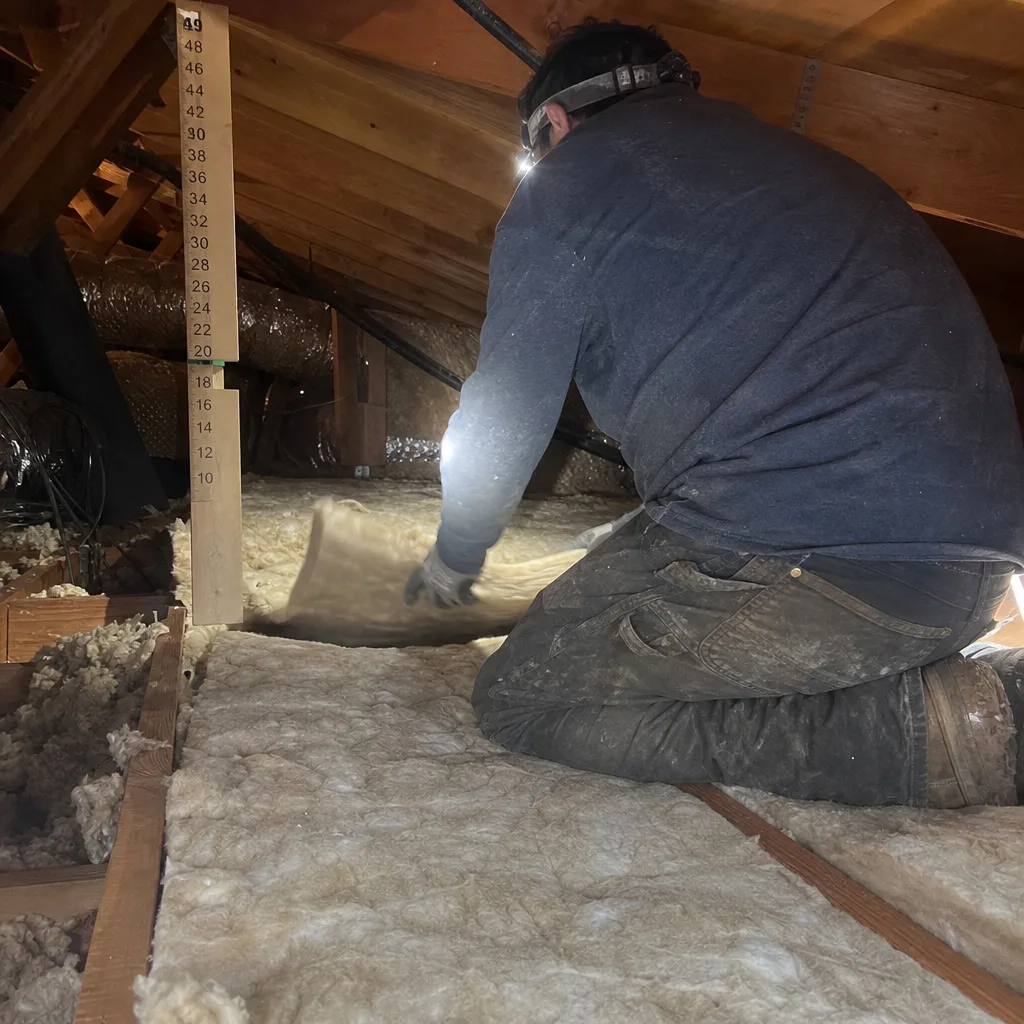
- Existing insulation depth. If the attic already has 10 or more inches of blown-in or batt insulation on the floor, the crew has to move or carefully navigate it to reach top plates and penetrations. That adds labor time. If the insulation needs to be removed first, that becomes a separate line item (typically $0.80-$1.50 per square foot for removal and haul-off).
- Attic accessibility and temperature. Lake Forest attics in July can reach 140-150 degrees Fahrenheit during midday. Work is staged for early morning, which sometimes means a split schedule across two days for larger jobs. Attics with limited hatch access or cross-bracing that forces a crawl rather than a walk also add to labor time.
- Scope bundling. When air sealing is done as part of a larger project – combined with Attic Air Sealing in Lake Forest and insulation replacement or removal – the per-task cost typically drops 10-20% because mobilization, setup, and documentation are shared across the scope. Standalone air sealing on an otherwise finished attic carries the full mobilization cost.
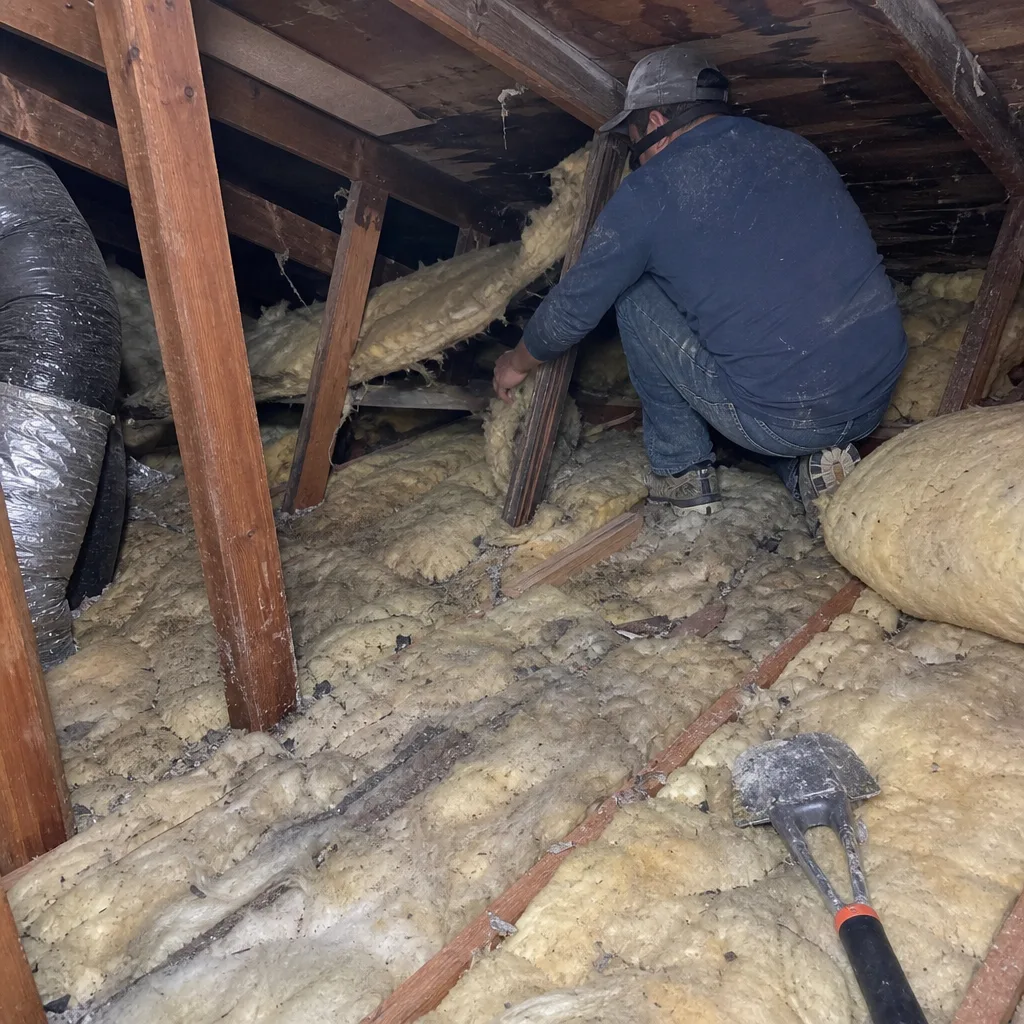 Before
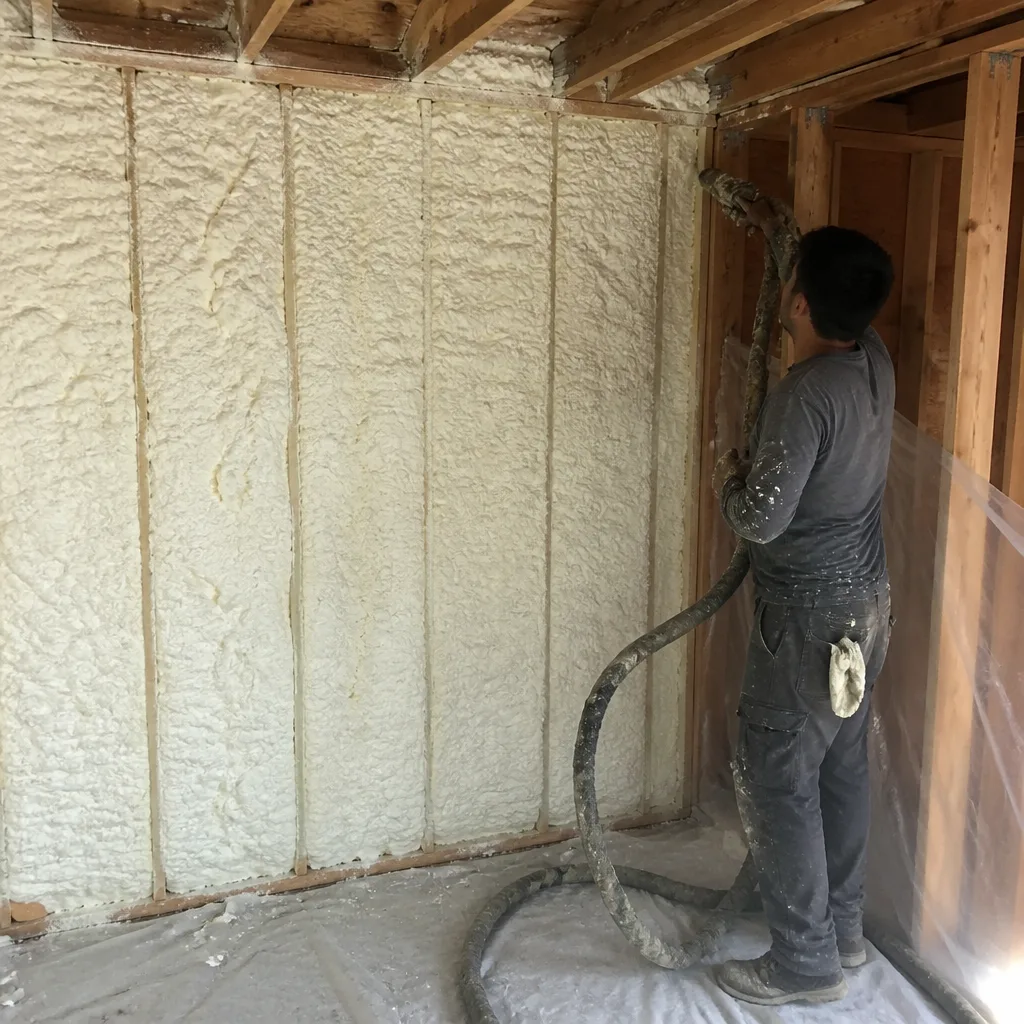 After
AfterHow to Save on Attic Air Sealing in Lake Forest
The single biggest money-saving move is to sequence the project correctly. Air sealing before insulation is not just the technically right order – it is also cheaper than doing it the other way. If insulation goes in first and air sealing comes later, a crew has to excavate insulation, do the sealing work, then either replace what was disturbed or add back lost R-value. On a typical Lake Forest home, getting the sequence wrong can add $400-$900 to the total project cost. Envelope Insulation Co. has never blown insulation over an unsealed attic floor since Wes Okafor started the company in 2016. That sequencing is non-negotiable on every job, and it saves customers real money downstream.
Beyond sequencing, here are the practical steps that actually move the needle on price:
- Get a blower-door test done first. Paying for a diagnostic test upfront – typically $275-$400 if billed separately – sounds counterintuitive, but it tells the crew exactly which bypasses are responsible for the most air loss. Without it, estimating is educated guesswork and sometimes results in overselling scope. With it, you know you are paying for the sealing that actually matters. At Envelope, the before-and-after blower-door readings are included on applicable jobs, so you can verify the result yourself.
- Bundle air sealing with insulation work. If your attic insulation is below the current California Title 24 recommendation of R-38 (common in older Lake Forest homes built before 1993), combining the sealing and insulation projects into one mobilization typically saves $200-$500 compared to two separate visits.
- Check for SCE and SoCalGas rebates. Southern California Edison and SoCalGas both offer rebates for residential air sealing work through their Energy Savings Assistance and California Home Energy Savings programs. Eligibility criteria change each program year, but rebates for qualifying Lake Forest homes have historically offset $200-$500 of project cost. Your contractor should provide documentation that qualifies the work for rebate submission.
- Use the federal 25C tax credit. The Inflation Reduction Act’s 25C credit covers 30% of air sealing costs up to a $1,200 annual cap for qualified energy-efficiency improvements. For a $1,400 air-sealing job, that is up to $420 back at tax time. Keep the written scope and invoice – both are required for the credit application.
- Get a second opinion on any written estimate. If you have a written estimate from another contractor, Envelope’s free second-opinion review means Wes Okafor or a member of his team will read it with you line by line. The goal is accuracy, not just a lower number. Sometimes the competing scope is correct and the price is fair. Sometimes there are items missing or items that don’t belong. Knowing the difference is worth the conversation.
For a free estimate on your Lake Forest home, call (657) 279-1249. A written price, scope, and warranty will be in your hands before any work begins.
What the Job Actually Looks Like: A Lake Forest Example
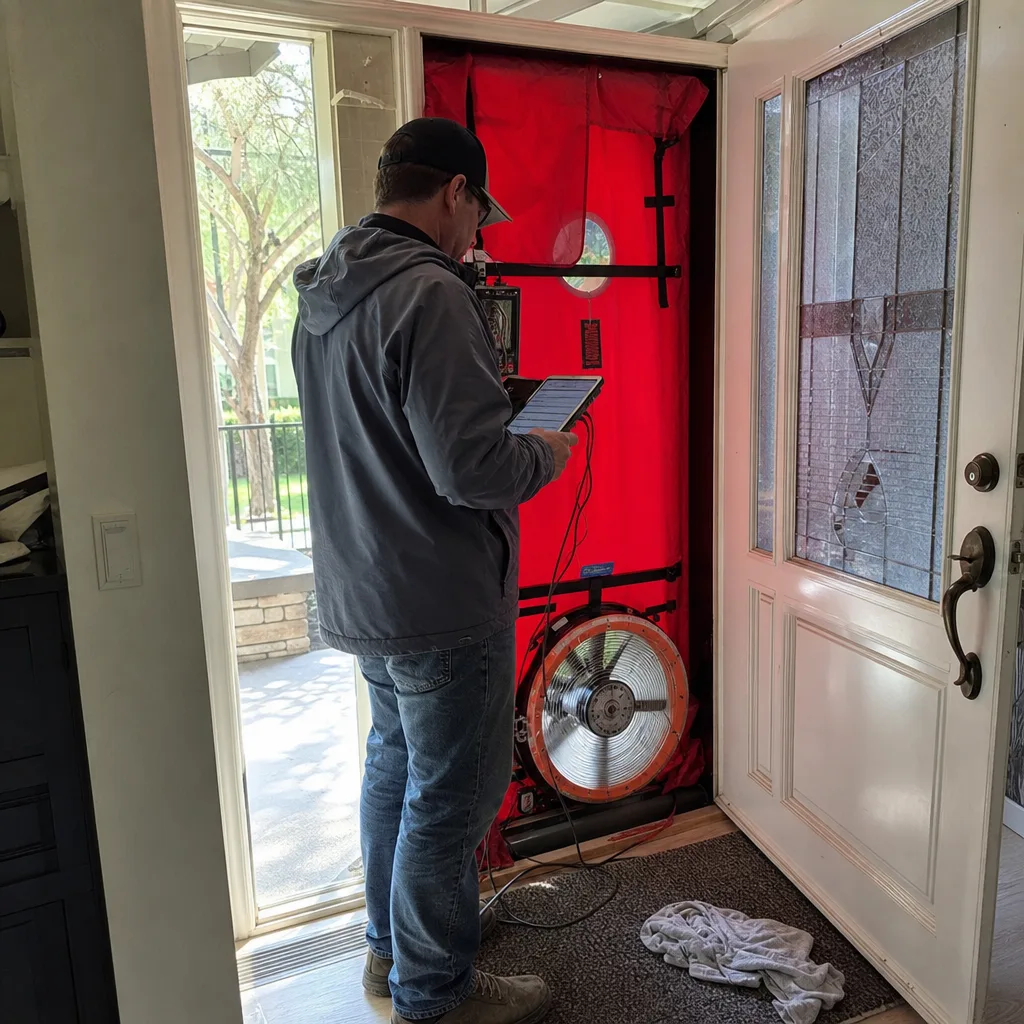
A 1,994-square-foot single-story home built in 1997 in the Foothill Ranch area is a fair stand-in for a large share of the Lake Forest housing stock. Attic floor area on a home like that is typically 1,600-1,800 square feet. The attic usually has an air handler sitting on a platform, a return plenum built from framing and drywall that has separated slightly at the corners over 25 years, 22-28 recessed can lights (the original kind, not the newer airtight IC-rated fixtures), and top plates that were never sealed during original construction because California did not require it in the mid-1990s.
On a home like that, a pre-sealing blower-door test will typically read somewhere between 3,400 and 4,800 CFM50 – cubic feet per minute of air at 50 pascals of pressure, which is the standard test pressure. That range corresponds to roughly 6-9 air changes per hour under natural conditions, which means the conditioned air your HVAC system produces is leaking out at a meaningful rate. The air handler platform and return plenum usually account for 20-35% of total leakage on their own.
After sealing – top plates, can lights with fire-rated rigid covers, plumbing and electrical penetrations with fire-rated foam, the return plenum corners, and the attic hatch – a post-sealing blower-door reading on a home in that condition typically comes back between 1,800 and 2,600 CFM50. That is a real, documented number the homeowner can look at and compare. On applicable jobs, Envelope publishes both numbers so you know exactly what changed. That is the before-and-after documentation the Haven Standard requires, and it is what makes the result verifiable rather than a claim you have to take on faith.
The written scope for that job includes every bypass location sealed, the material used at each location (fire-rated two-component foam, rigid foam board with canned foam perimeter seal, fire-rated caulk), the pre- and post-blower-door readings, and a documented photo record of each penetration before and after sealing. That documentation goes home with the customer when the crew leaves.
Lake Forest-Specific Factors Worth Knowing
Lake Forest sits in the Saddleback Valley, which means attics here deal with a specific combination of summer radiant heat and the occasional cool, damp airflow that comes down from the Trabuco Canyon side in winter and early spring. That seasonal swing matters for air sealing because the pressure differential between inside and outside shifts with temperature, and a poorly sealed attic envelope doesn’t just lose conditioned air in summer – it draws cooler, sometimes moisture-carrying air in through bypasses during the wetter months.
Homes in the older sections of Lake Forest, particularly along the Trabuco Road corridor and in the communities that predate the 1999 city incorporation, frequently have vermiculite or early-generation blown-in fiberglass that has settled well below current R-value targets. The air-sealing job on these homes almost always makes more economic sense when it is paired with insulation replacement, because the incremental cost per square foot drops and the performance gain from sealing a properly insulated attic is materially larger.
In newer sections like Baker Ranch (built primarily 2015-2020), homes arrived with tighter construction and often have airtight LED recessed fixtures already in place. Air sealing on these homes tends to focus on HVAC penetrations and top plates rather than can lights, and the job scope – and price – is typically toward the lower end of the ranges in this guide.
Orange County does not currently require a permit for residential attic air sealing as a standalone scope, though the work must comply with California Building Code Chapter 11 energy requirements when performed as part of a permitted renovation. If your project involves insulation replacement in combination with air sealing and you are pulling a permit for a broader remodel, the air sealing documentation Envelope provides – including the blower-door readings – can serve as compliance evidence. That is worth knowing before you start.
Is Attic Air Sealing Worth the Cost in Lake Forest?
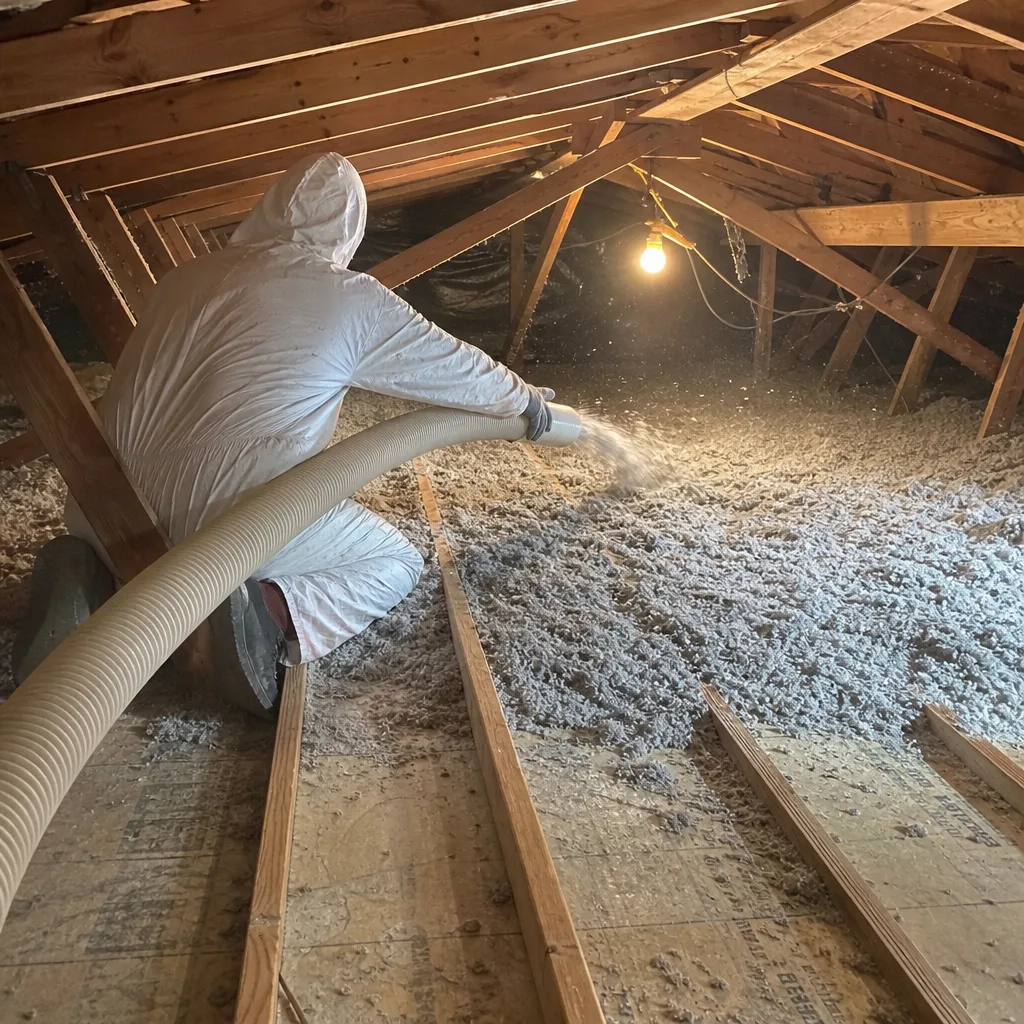
A direct answer: yes, under specific conditions. If your Lake Forest home was built before 2006, has an air handler in the attic, and your summer electricity bills are running above $200/month during peak months, the math on air sealing tends to work out to a payback period of 3-6 years on the sealing cost alone – faster if you are combining it with insulation that was already due for replacement.
The reason the payback is relatively short in Lake Forest versus cooler California climates is simple: the temperature differential between your conditioned living space (72-75 degrees Fahrenheit) and your attic (130-150 degrees at peak in July and August) is large. The larger the differential, the harder your HVAC system works to compensate for the air that leaks through the attic floor plane. Sealing that plane removes the bypass paths before the insulation has a chance to do its job.
That sequencing point is worth stating plainly. Insulation slows heat transfer by conduction. Air sealing stops heat transfer by convection – hot air physically moving through gaps. A well-insulated but unsealed attic is still losing conditioned air through every open top plate, can-light gap, and plumbing penetration. A sealed but under-insulated attic stops convective loss but still conducts heat through the assembly. The combination of both, done in the right order, is what produces the before-and-after blower-door numbers that show a real change in building performance. Wes Okafor and the team at Envelope have documented that combination on more than 9,000 homes sealed and insulated since 2016, every one with a written price before work started and a documented record when the crew left.
For the home you have invested in, that documented record is what separates a real result from a contractor’s verbal assurance.
FAQs: Attic Air Sealing Cost in Lake Forest
How much does attic air sealing cost in Lake Forest, CA in 2026?
Most attic air sealing jobs in Lake Forest run between $1,200 and $1,600 for a standard single-story home with a typical number of bypasses. Smaller homes or attics with few penetrations can come in around $850-$1,100, while larger two-story homes with HVAC chases and high recessed-light counts can reach $2,100-$2,400. The price you are quoted at Envelope Insulation Co. is a flat written price – the number on the quote is the number on the invoice. For an exact number for your home, call (657) 279-1249 – estimates are free and always delivered in writing.
Is attic air sealing done before or after insulation?
Air sealing must come first. Insulation slows conductive heat transfer; air sealing stops convective air movement through gaps and bypasses. If insulation goes in before the bypasses are sealed, hot attic air can still move freely through the unsealed top plates, can lights, and penetrations – the insulation sits on top of the problem rather than solving it. At Envelope, air sealing is completed and verified before any insulation is added, on every job, without exception. It is not an upsell or an optional add-on; it is the first step.
Can I skip the blower-door test and just have the attic sealed?
You can, but the test is the only objective way to know which bypasses are causing the most air loss and to verify that the sealing actually worked. Without a pre-sealing reading, a crew is working from visual inspection alone, which misses bypasses that are hidden under insulation or inside wall cavities. Without a post-sealing reading, you have no documented evidence that the work changed your home’s performance – just the contractor’s word. On applicable jobs, Envelope includes before-and-after blower-door readings as part of the documented record. If you are comparing estimates from multiple contractors, ask each one how they will verify the result when the job is done.
Are there rebates for attic air sealing in Lake Forest?
Yes. Southern California Edison and SoCalGas both run rebate programs for residential air sealing, and qualifying Lake Forest homeowners have historically received $200-$500 back depending on the program year and household income tier. The federal 25C tax credit additionally covers 30% of eligible air-sealing costs up to a $1,200 annual cap. To claim either, you will need a written scope and an itemized invoice from your contractor. Envelope provides both. Program eligibility and rebate amounts change from year to year, so confirm current rates with SCE or SoCalGas before your project starts.
Is it cheaper to repair air leaks myself or hire a contractor in Lake Forest?
For simple, accessible bypasses – a visible gap around a plumbing stack you can reach from the attic hatch, or a recessed light you can cap yourself – the materials run $50-$150 and the DIY approach is reasonable. But the bulk of attic air loss in Lake Forest homes typically comes from top plates (the framing gap where interior walls meet the attic floor), HVAC equipment platforms, and return plenums. These are harder to find without a blower-door test, harder to reach without moving insulation, and require fire-rated materials at certain penetration types. Sealing around an air handler or return plenum incorrectly can create combustion-safety or moisture problems. For anything beyond the most accessible surfaces, a professional with the right diagnostic equipment and fire-rated materials will produce a better documented result for a cost that is usually recovered in 3-6 years through reduced HVAC run time.
What does a written price from Envelope Insulation Co. include?
Every written price includes a flat project total, a written scope describing each bypass type to be sealed and the material to be used at each location, and a written warranty – all delivered before any work begins. That is Haven Standard Clause 1, applied to every job. When the crew leaves, the customer receives a documented photo record showing each penetration before and after sealing, plus the before-and-after blower-door readings on applicable jobs. There are no surprise line items added after the fact; if scope changes, the written price is updated before the additional work proceeds.
Key Takeaways
- Attic air sealing in Lake Forest costs $850-$2,400+ depending on attic size, bypass count, HVAC configuration, and whether insulation removal is needed.
- Most single-story Lake Forest homes land in the $1,200-$1,600 range for a full air-sealing scope.
- Air sealing always comes before insulation – doing it in the wrong order adds $400-$900 to the overall project cost.
- SCE and SoCalGas rebates plus the federal 25C tax credit can offset $400-$900 of total project cost for qualifying homeowners.
- Before-and-after blower-door readings are included on applicable jobs at Envelope Insulation Co. – the result is documented, not asserted.
- Every estimate is written, flat, and delivered before any work begins. A free second opinion is available on any competing written estimate.
- Orange County does not require a standalone permit for attic air sealing, but the work must comply with California Building Code Chapter 11 energy requirements when part of a permitted scope.
If you are ready to get an exact number for your Lake Forest home, call (657) 279-1249. Wes Okafor and the team at Envelope Insulation Co. will give you a written price – flat, scoped, and warranted – before anyone picks up a tool. Free estimates, free second opinions on competing quotes, and before-and-after blower-door documentation included on applicable jobs. That is what the Haven Standard looks like in practice.
Pricing reflects the Lake Forest market as of 2026. Topside Attic Insulation Lake Forest offers free estimates – call (657) 279-1249.
Written by Wes Okafor, Owner at Envelope Insulation Co., serving Lake Forest since 2016.
What Our Customers Say
"They photographed rodent damage in the old insulation that we had no idea about, and priced the exclusion work separately so we could decide."
- Harriet N."The winter gas bill dropped by about a third. They had estimated a quarter, so they under-promised."
- Genevieve R."Two other companies quoted to blow more insulation on top of what was there. These were the only ones who said the existing material had to come out first, and explained why."
- Clifford E.