
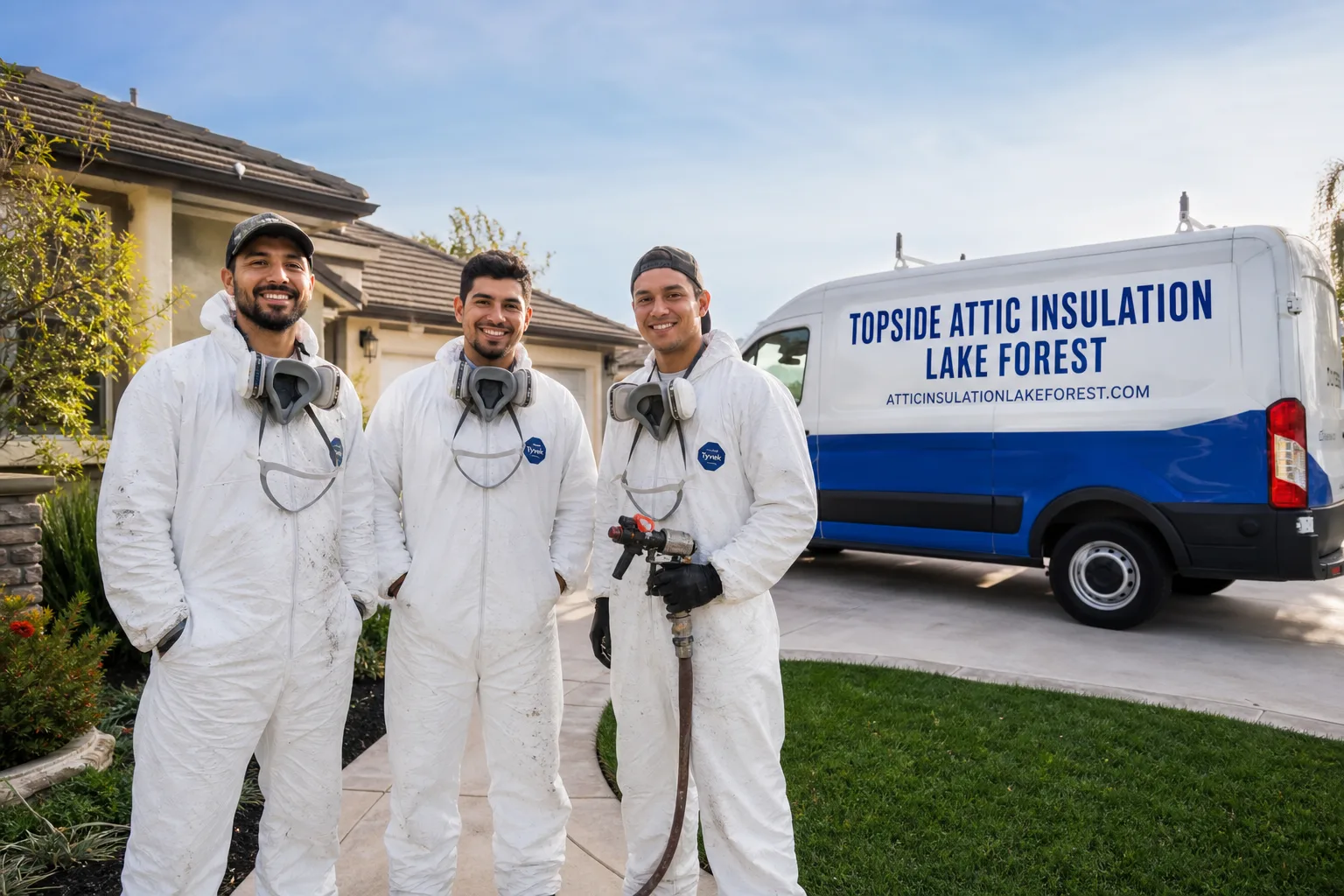
Fast, Reliable Blown-In Insulation Across Newport Beach
Blown-in insulation in Newport Beach typically runs $2,800-$6,500 for a full attic, depending on square footage and whether air sealing is needed first. Most Newport Beach jobs we complete are done in a single day, with crews dispatched from our Los Angeles office and on-site in Balboa Island, Corona del Mar, or Newport Coast within hours of scheduling. Call (657) 279-1249 for a written price before any work starts.
We’ve sealed and insulated more than 9,000 homes since 2016, and the ones that teach you the most are the waterfront properties here. Newport Beach looks mild on paper - rarely above 85°F, rarely below 45°F - but the marine layer, tidal humidity, and salt-laden air create conditions that standard blown-in insulation simply wasn’t designed to handle. A contractor who treats this like an inland Orange County job will miss the moisture problem until mold shows up in the wall cavity.
Why Topside Attic Insulation Lake Forest Is Newport Beach’s Preferred Blown-In Insulation Company
Our Blown-In Insulation team has worked extensively throughout Newport Beach’s distinct neighborhoods, from the zero-lot-line bungalows of Balboa Island to the custom teardown-rebuilds in Corona del Mar and the luxury tract homes of Newport Coast. We know what the building inspector in Newport Beach expects for vapor-barrier detail, and we know which walls on the Balboa Peninsula were built with no insulation at all.
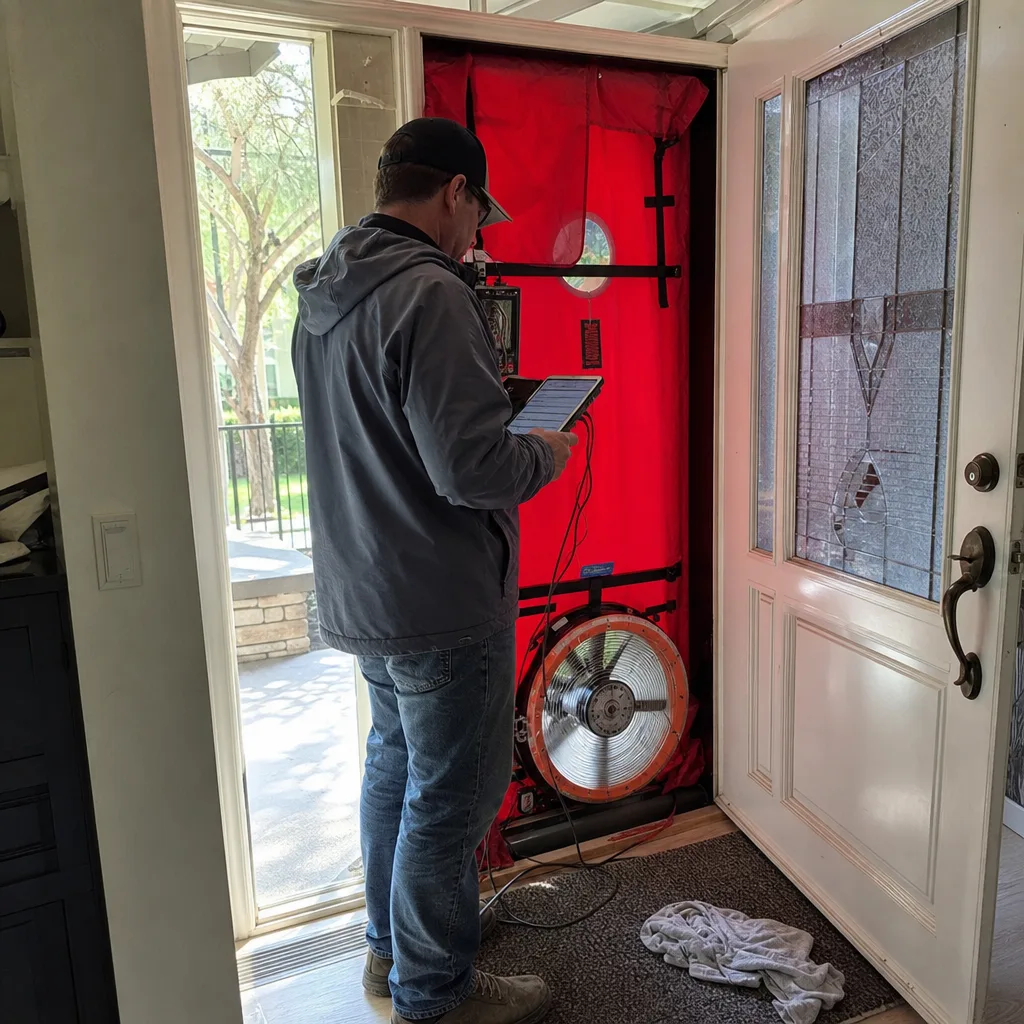
Response time matters here. When tidal humidity has saturated your wall cavities, waiting a week for an estimate means more mold growth. We answer calls with a live person 24/7, and our crews serving Newport Beach typically schedule within 48 hours. Every visit includes a Documented Photo Record, and applicable jobs receive before-and-after blower-door numbers so you can verify the air-sealing result in a single figure.
Under Haven Standard Clause 1, you get a written price, written scope, and written warranty before anyone lifts a tool. No exceptions. We also provide a Free Second Opinion on any written estimate from another contractor - bring us the quote and we’ll read it with you.
Our Blown-In Insulation Services in Newport Beach
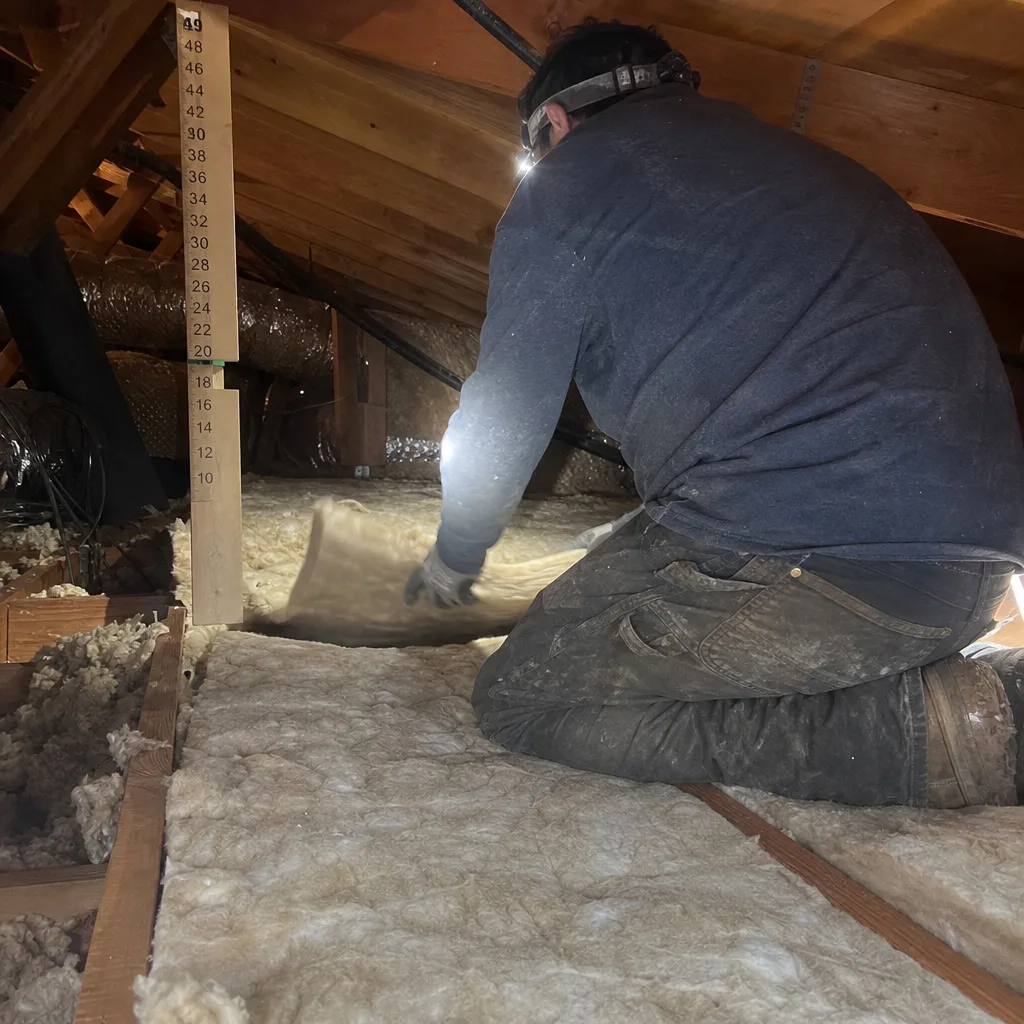
Blown-In Cellulose
We install GreenFiber cellulose in Newport Beach attics where moisture management is already handled but thermal and acoustic performance need improvement. Cellulose has a higher density than fiberglass, which helps dampen harbor boat traffic and PCH noise - a real concern in bay-adjacent neighborhoods like Balboa Island and Newport Island. In Newport Beach’s climate, we only blow cellulose after the attic floor has been fully air-sealed; otherwise the marine layer humidity will find its way in and the material will sag within two seasons. Typical range: $2,800-$4,200 for attics up to 1,500 square feet.
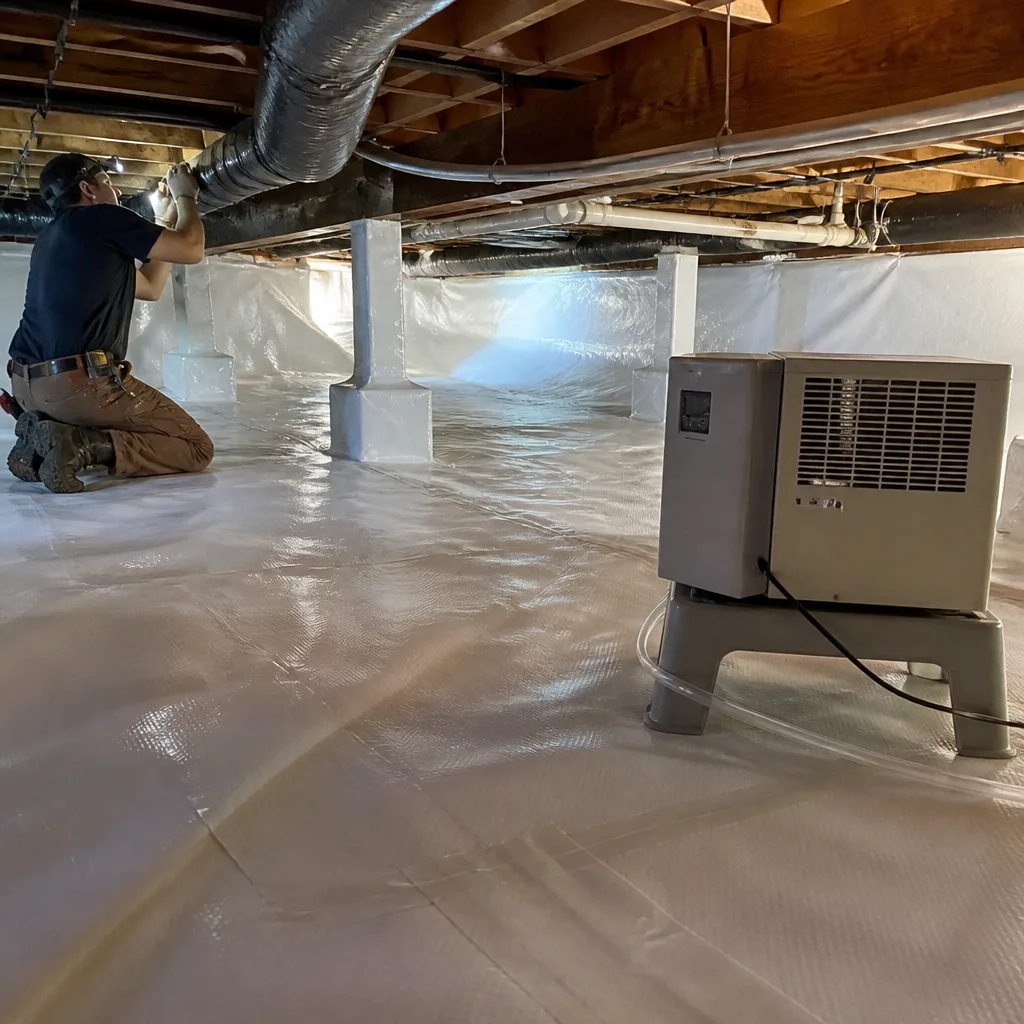
Blown-In Fiberglass
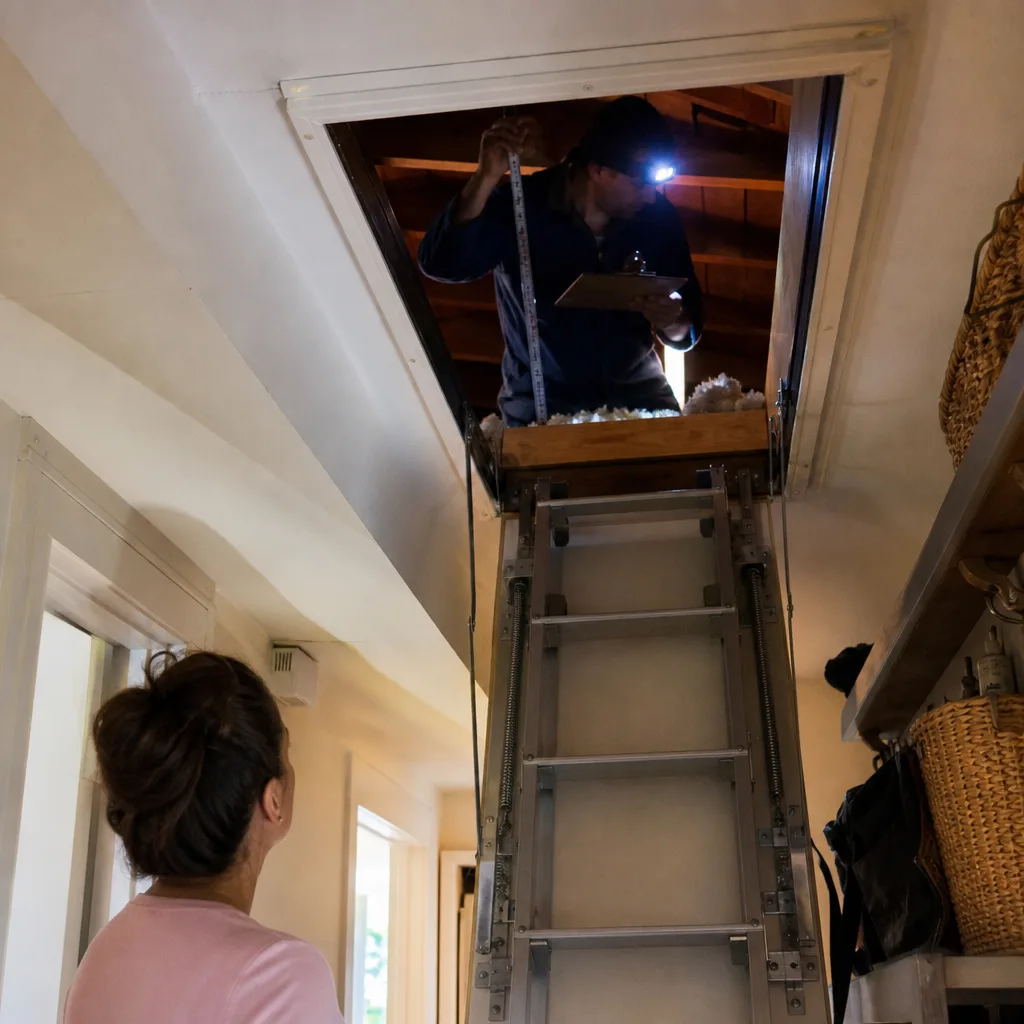
Fiberglass works in Newport Beach when the building envelope is already tight and the primary goal is adding R-value to an under-insulated attic. We source from Owens Corning, Johns Manville, and Knauf - no proprietary lock-in, so you get the right product for your specific assembly. In harbor-view homes near Lido Isle or the Newport Harbor Yacht Club, we often see original R-19 fiberglass compressed to R-11 or lower from decades of foot traffic and ductwork disturbance. Blown-in fiberglass top-ups here run $2,200-$3,800, but only after we’ve inspected for moisture intrusion at can lights and top plates.
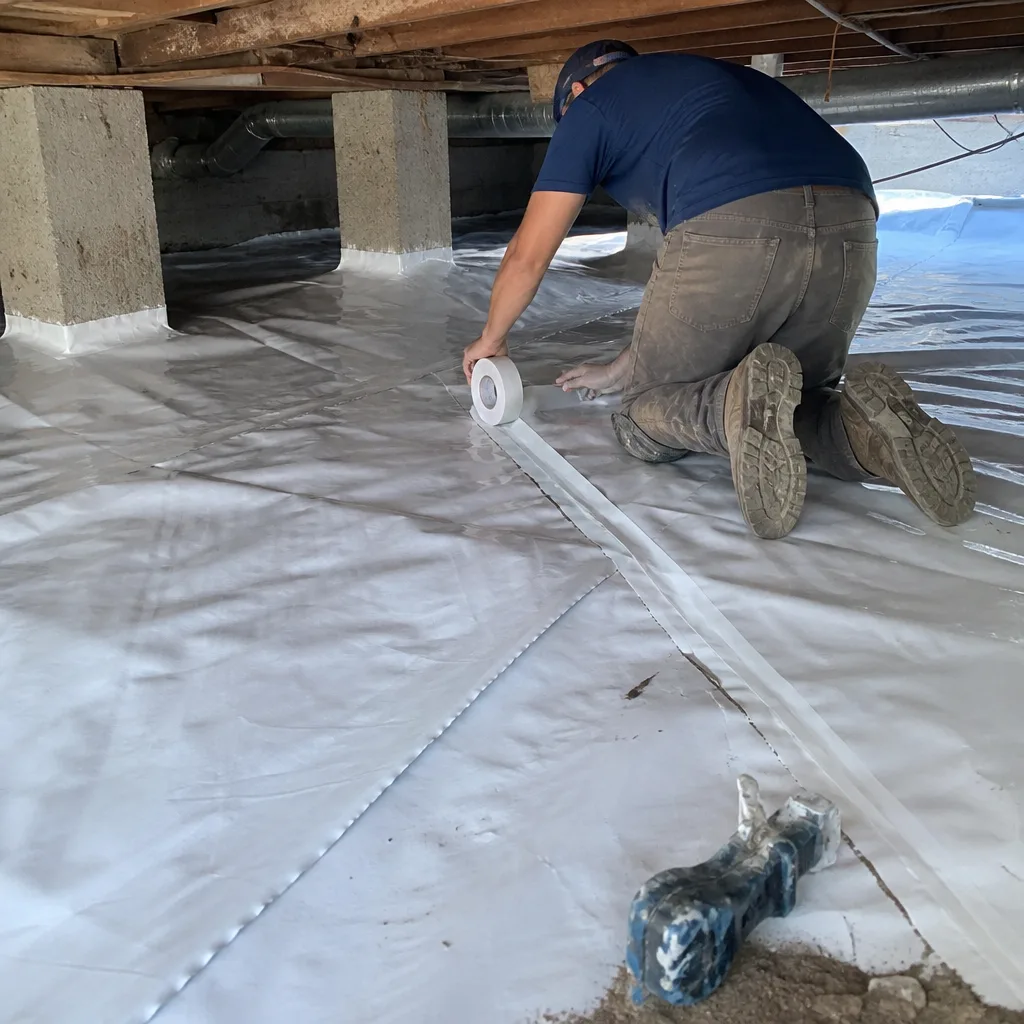
Dense-Pack Wall Insulation
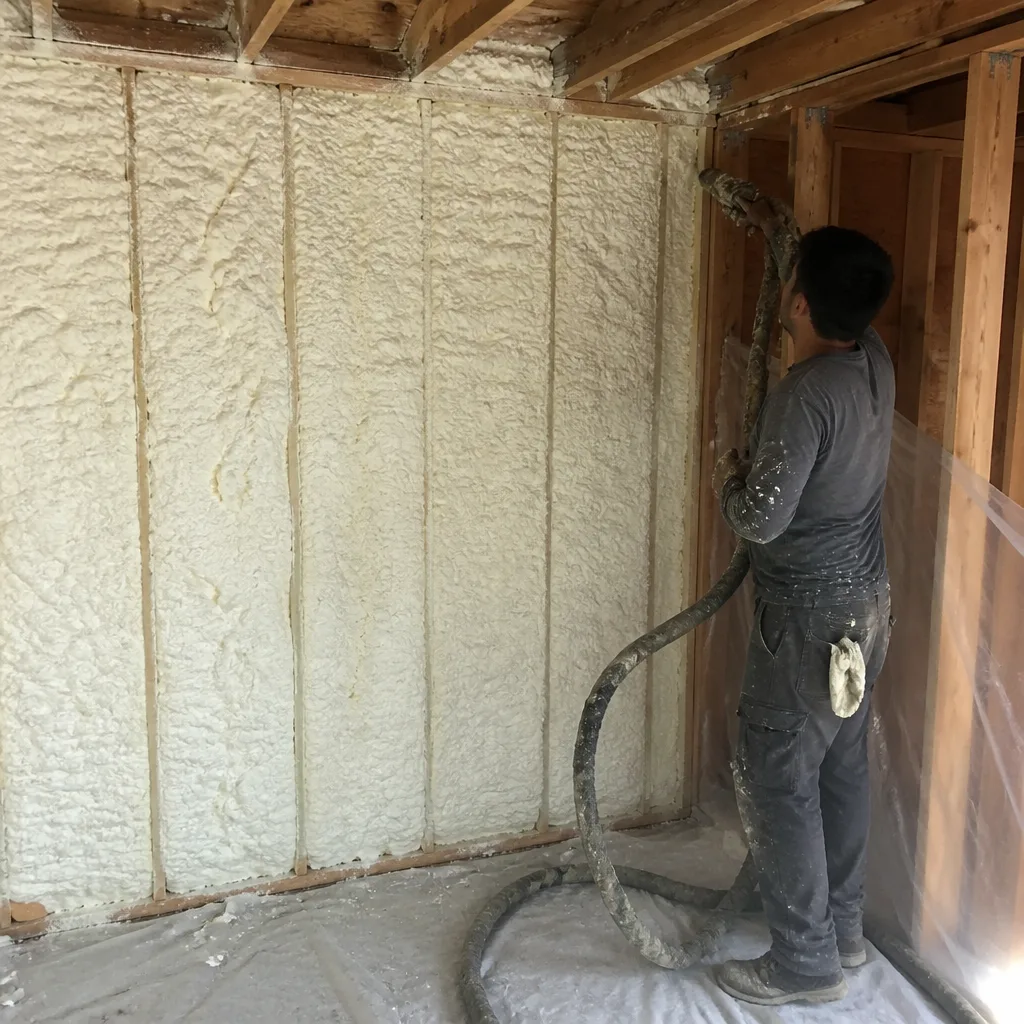
This is where Newport Beach’s housing stock gets interesting. The 1940s-1960s bungalows on Balboa Island and the Balboa Peninsula frequently have empty wall cavities or original rockwool that’s become a mold reservoir from salt-air exposure. Dense-pack cellulose or fiberglass, installed at 3.5 pounds per cubic foot, fills these cavities completely and slows air infiltration. But in zero-lot-line configurations where moisture migrates between shared walls, dense-pack alone isn’t enough - we pair it with targeted air sealing at party-wall junctions and, in severe cases, recommend closed-cell spray foam for the first inch before dense-packing. Wall jobs in Newport Beach typically range $4,500-$8,000 depending on cavity condition and accessibility.
Blown-In Top-Up
Many Newport Coast and Harbor View Hills homes built in the 1990s-2000s started with adequate insulation but have settled, compressed, or been displaced by HVAC contractors over the years. A blown-in top-up adds R-value without removing what’s there, provided the existing material is dry and uncontaminated. We test with a moisture meter first - anything above 15% moisture content in Newport Beach’s climate means there’s an air-leak source that needs sealing before we add anything. Top-ups run $1,800-$3,200 and include the blower-door test to confirm we haven’t missed a penetration.
What happens when you call
- 1
A real person answersNo phone trees - you reach a local pro.
- 2
You get an upfront price rangeHonest numbers before anyone is dispatched.
- 3
A background-checked tech heads outLicensed & insured, dispatched right away.
- 4
You approve before work beginsNothing starts until you say go.
 Before
 After
AfterTrusted Brands We Service in Newport Beach
We source blown-in materials from Owens Corning, Johns Manville, Knauf, and GreenFiber - no house brand that locks you into a single supplier. For Newport Beach’s moisture-challenged assemblies, we also stock closed-cell spray foam from Demilec and Icynene for the vapor-control layer that coastal jobs frequently need before blown-in goes in. Our Los Angeles office maintains inventory for same-day material swaps if field conditions change, which they often do when we open a Balboa Island wall and find conditions the homeowner didn’t know about.
Common Blown-In Insulation Problems We See in Newport Beach Homes
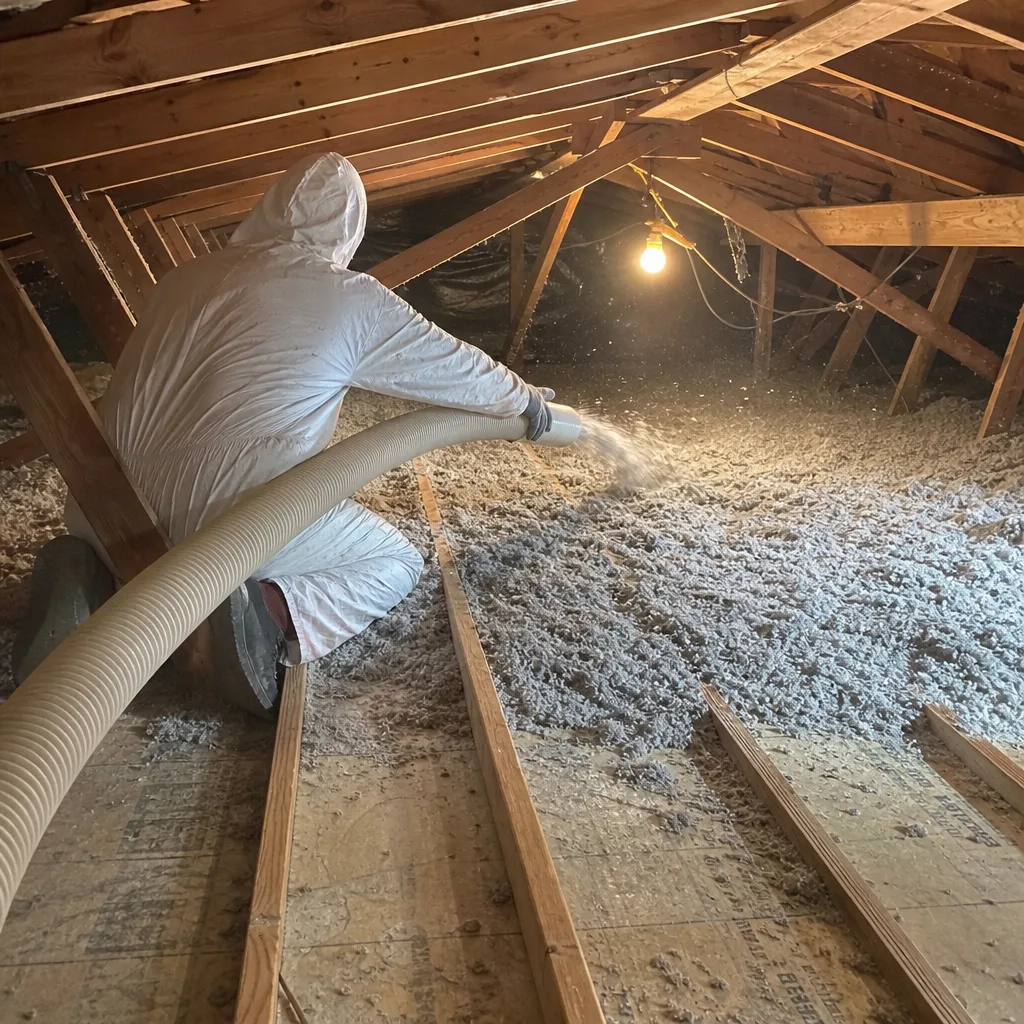
- Moisture-saturated cellulose or fiberglass in wall cavities. The persistent marine layer and tidal bay humidity around Balboa Island and Newport Island get into walls through unsealed top plates and can-light penetrations. Once blown-in insulation absorbs this moisture, it sags, loses R-value, and becomes a mold substrate. We see this in roughly half the pre-1970 bay-adjacent homes we inspect.
- Salt-air corrosion of fasteners and wiring hidden in walls. Salt-laden air infiltrates through the same penetrations that let moisture in, corroding electrical boxes, romex clamps, and structural fasteners. This isn’t an insulation problem until the insulation has to come out and the corrosion is revealed - which is why we photograph everything and show you what we found.
- Zero-lot-line moisture migration between units. On Balboa Island, shared walls in 1940s-1960s construction often lack proper vapor barriers. Moisture moves from one unit to another through the wall cavity, degrading any blown-in material and transferring musty odors. Standard blown-in installation without air sealing makes this worse, not better.
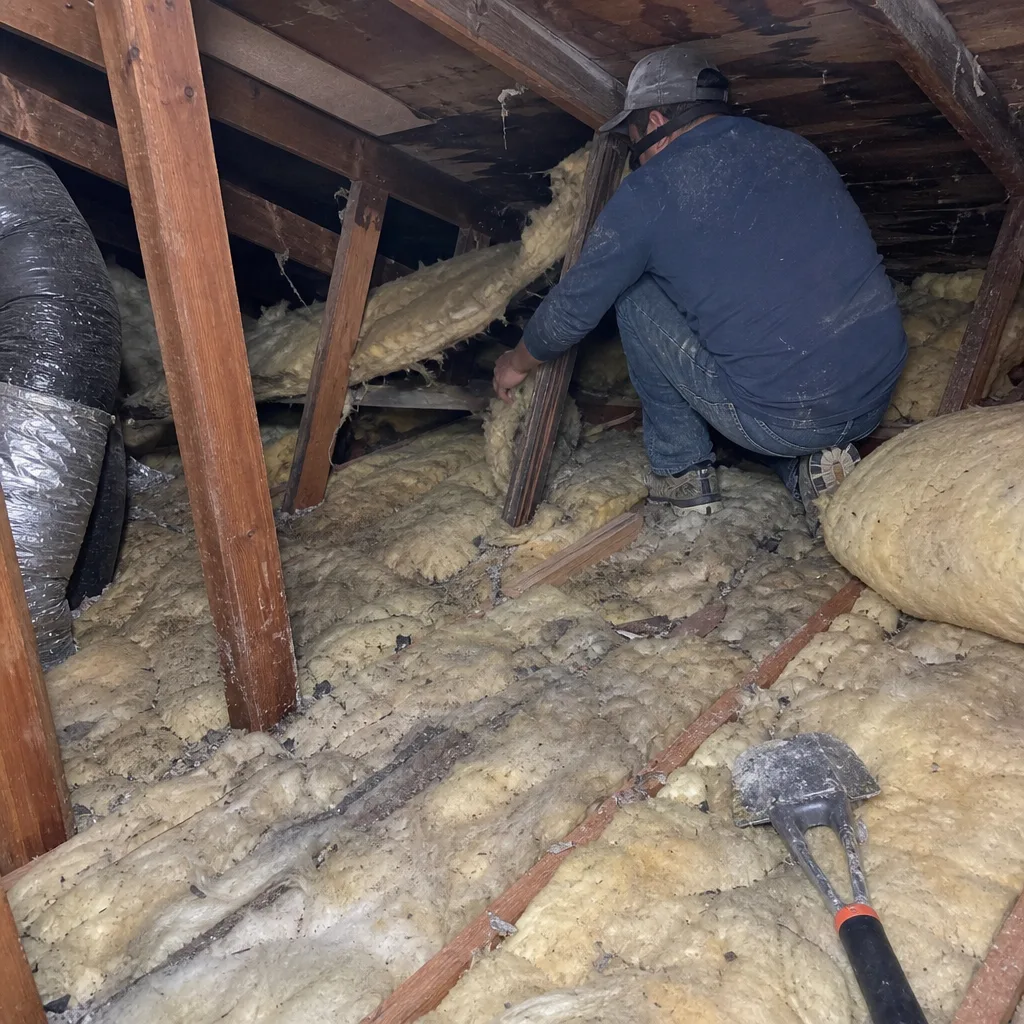
- Original rockwool turned mold reservoir. The rockwool installed in some 1940s-1950s Newport Beach bungalows seemed like a good idea at the time, but decades of tidal humidity have saturated it. Blowing new material over this contaminated layer traps moisture and spreads spores. Full removal is the only option, and it’s a scope many homeowners don’t expect.
Pricing for Blown-In Insulation in Newport Beach, CA
| Service | Typical Range in Newport Beach |
|---|---|
| Attic blown-in cellulose or fiberglass (air sealing included) | $2,800 - $6,500 |
| Blown-in top-up (existing material dry and intact) | $1,800 - $3,200 |
| Dense-pack wall insulation (per 1,000 sq ft of wall) | $4,500 - $8,000 |
| Attic air sealing + blower-door verification only | $1,200 - $2,400 |
| Insulation removal and replacement (contaminated material) | $3,500 - $7,500 |
What moves you within these ranges: attic accessibility (cathedral ceilings in Corona del Mar cost more), cavity condition (moldy rockwool removal adds labor), and whether closed-cell spray foam is needed for vapor control before blown-in goes in. Every job gets a written price before work starts - Haven Standard Clause 1 - and we never charge for the estimate. Call (657) 279-1249 for your specific number.
We recently worked on a 1950s zero-lot-line bungalow on Balboa Island where the original rockwool insulation in the walls was soaked through from decades of salt-air exposure. After removing the compromised material, we installed Spray Foam Insulation in Newport Beach in the wall cavities and blew in GreenFiber cellulose in the attic to improve both thermal and acoustic performance against harbor boat traffic. The homeowner noticed a significant reduction in musty odors and a quieter interior within days.
We Also Serve Cities Near Newport Beach
Our crews work throughout coastal and inland Orange County, including Newport Beach neighbors: Costa Mesa to the north, Tustin and Santa Ana inland, and Laguna Woods to the southeast. Dispatch and scheduling are coordinated from our Los Angeles office; crews serve all of these cities locally with the same written-price-first protocol and 365-Day Done Right Promise.
Serving Newport Beach, CA - Our Local Coverage Area
We’re based in the Newport Beach area and know this community well. Use the map below to see our service coverage - if you’re nearby, we can almost certainly help.
FAQs - Blown-In Insulation in Newport Beach
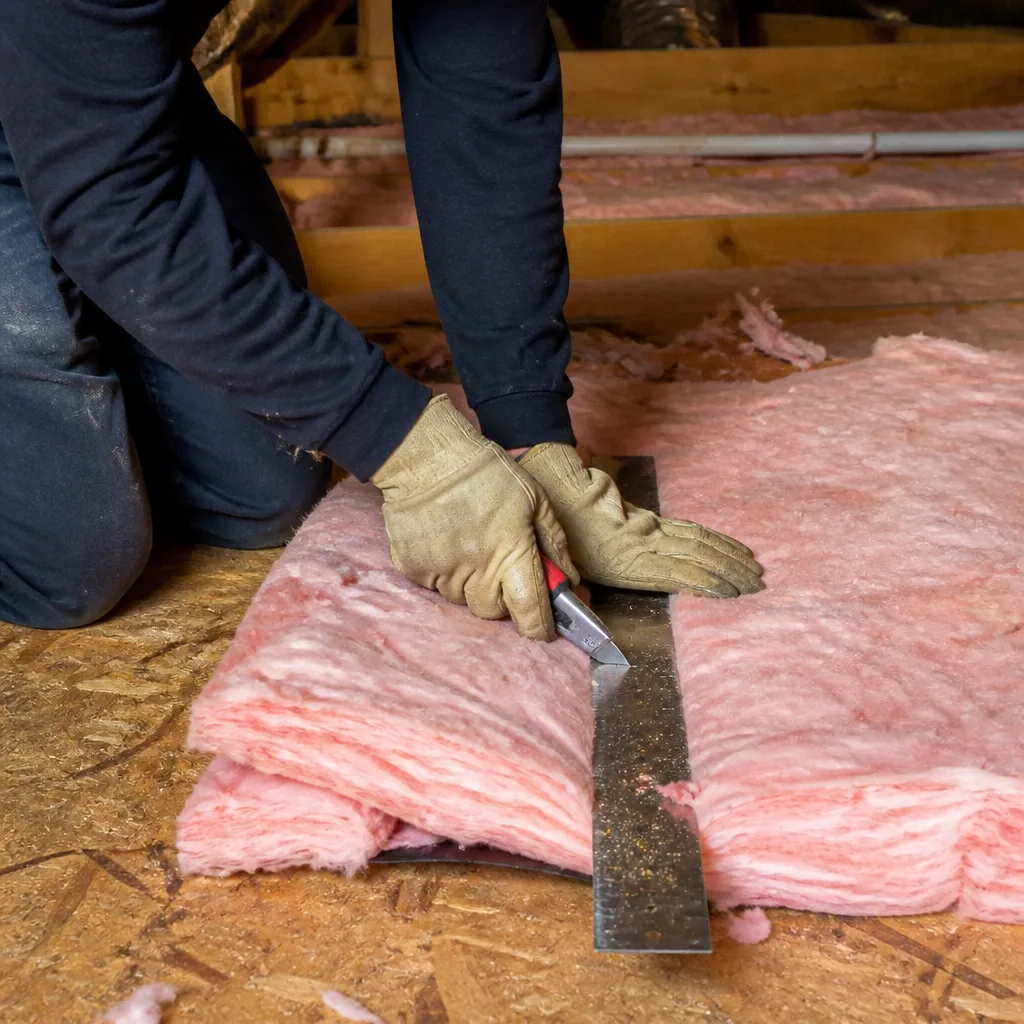
Yes, but only when paired with proper air sealing and, in many bay-adjacent homes, a vapor-control layer. Standard blown-in fiberglass or cellulose installed without sealing top plates, can lights, and penetrations will absorb moisture from the marine layer and degrade within two to three years. We complete air sealing before any insulation goes in, and we test with a blower-door to verify the envelope is tight. Call (657) 279-1249 for a free assessment of your home’s moisture risk.
There isn’t one - these homes usually need a hybrid approach. The shared walls and tidal humidity mean we often remove saturated original material, apply closed-cell spray foam for vapor control, then dense-pack cellulose for thermal and acoustic performance. A contractor who recommends standard blown-in without inspecting for moisture migration between units is missing the actual problem. We provide a written scope and photo documentation so you understand what we’re proposing and why.
Salt air doesn’t directly damage the insulation material, but it corrodes the building components around it - electrical boxes, fasteners, wiring - and infiltrates through the same gaps that let moisture in. This creates a cycle where corroded penetrations leak more air, which carries more moisture, which degrades the insulation. Our Documented Photo Record shows you exactly what we found in your walls so the connection is visible, not theoretical.
No - not if that rockwool is moisture-compromised, which it usually is in pre-1970 bay-adjacent properties. Saturated rockwool is a mold reservoir. Blowing new material over it traps moisture and spreads contamination. We test with a moisture meter and visual inspection; if the rockwool is wet or moldy, removal is mandatory before anything new goes in. The additional cost is in your written price before we start.
Denser blown-in materials - particularly cellulose at proper depth - add mass to wall and ceiling assemblies, which reduces sound transmission. In harbor-adjacent Newport Beach neighborhoods, we frequently get reports of reduced boat-engine noise and PCH rumble after dense-pack wall work or attic cellulose installation. It’s not soundproofing, but the difference is measurable and homeowners notice it within days. Call (657) 279-1249 to discuss your specific noise path.
Written by Wes Okafor, Owner at Envelope Insulation Co., serving Newport Beach since 2016 under The Haven Standard.